
Συντάκτης: Guevaristas
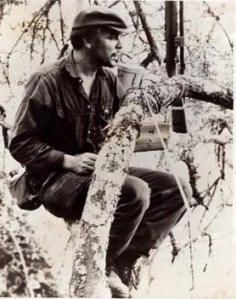
 Στην πραγματικότητα η κατάσταση ήταν πολύ χειρότερη απ΄ότι περιγράφει ο Τσε. Η εξερεύνηση είχε αποδειχθεί εξαρχής πολύ σκληρή λόγω του δασώδους εδάφους και της αδιάκοπης βροχής. Οι άνδρες είναι τόσο εξουθενωμένοι που μερικοί δεν μπορούν ούτε να φάνε. Φτάνουν στο ποταμό Ρίο Γκράντε αλλά δεν μπορούν να τον διαβούν και κατασκηνώνουν για να ξεκουραστούν. Όλα αυτά συμβαίνουν σε μία απόλυτη ερημιά χωρίς ίχνος ανθρώπινης παρουσίας. Συνεχίζοντας την αναγνωριστική πορεία αρχίζουν να υποφέρουν και από ασιτία. Τελικά βρίσκουν κάποιους χωρικούς που τους προμηθεύουν καλαμποκάλευρο, όμως έτσι τα κυβερνητικά στρατεύματα θα αντιληφθούν την παρουσία τους. Το δύσβατο έδαφος τους ταλαιπωρεί αφάνταστα και συχνά αναγκάζονται να γυρίζουν πίσω όταν συναντούν απότομες χαράδρες και φαράγγια.
Μαυσωλείο Τσε Γκεβάρα (Che Guevara Mausoleum)
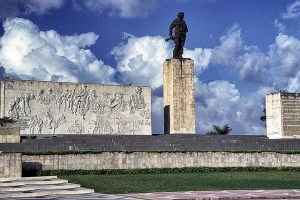 Το Μαυσωλείο του Τσε Γκεβάρα (Mausoleo Che Guevara) είναι μνημείο στην πόλη της Σάντα Κλάρα. Είναι ο τελικός τόπος ταφής των οστών του Τσε και άλλων 29 συντρόφων του που δολοφονήθηκαν στη Βολιβία το 1967. Στην είσοδο του μαυσωλείου δεσπόζει το επιβλητικό, ύψους περίπου 7 μέτρων, μπρούντζινο άγαλμα του Κομαντάντε με το όπλο ανα χείρας. Το άγαλμα τοποθετήθηκε έτσι ούτως ώστε να κοιτά προς το νότο, δηλαδή προς τη Λατινική Αμερική, ως συμβολισμός του οράματος του Τσε για μια παναμερικανική επανάσταση ενάντια στον Ιμπεριαλισμό. Σε ανάγλυφα παρουσιάζονται στιγμές της ζωής και δράσης του Γκεβάρα ενώ το τελευταίο του γράμμα προς τον Φιντέλ Κάστρο είναι ολόκληρο χαραγμένο σε ειδική επιγραφή.
Η κατασκευή του Μαυσωλείου άρχισε πολύ πριν ανακαλυφθεί ο κρυφός τάφος του Τσε στη βολιβιανή ύπαιθρο. Οι κατασκευές, για τις οποίες εργάστηκαν εθελοντικά (πέραν των συνεργείων) εκατοντάδες χιλιάδες κάτοικοι της πόλης, ξεκίνησαν το 1982 και ολοκληρώθηκαν το 1988 όταν και έγιναν τα εγκαίνια του μνημείου. Η φήμη του Μαυσωλείου παρ’ όλα αυτά, ως τόπος επισκεπτών απ’ όλο τον κόσμο, ξεκινά στα μέσα του 1997 όταν και μεταφέρθηκαν εκεί τα οστά του Τσε Γκεβάρα που ανακαλύφθηκαν απο επιστήμονες στο Βαλεγκράντε της Βολιβίας.
Στις 17 Οκτώβρη 1997 η πόλη της Σάντα Κλάρα, παρουσία χιλιάδων κουβανών και της πολιτικής ηγεσίας της χώρας, υποδέχθηκαν τα ξύλινα φέρετρα με τα λείψανα του Τσε και άλλων έξι συντρόφων του. Την ίδια μέρα ο Φιντέλ Κάστρο έβγαλε επικήδειο λόγο στη μνήμη του συντρόφου και συναγωνιστή του, σειρήνες ήχησαν σε όλες τις πόλεις του νησιού και 21 κανονιοβολισμοί έλαβαν χώρα σε Σάντα Κλάρα και Αβάνα.
Τα επόμενα τρία χρόνια ενταφιάστηκαν στο Μαυσωλείο τα οστά 23 συνολικά ανταρτών που ανακαλύφθηκαν σε ομαδικούς τάφους στη Βολιβία. Ακολουθεί ο πλήρης κατάλογος των ανταρτών που έχουν ταφεί στο Μαυσωλείο:
Carlos Coello (Tuma)
Alberto Fernandez Montes de Oca (Pacho)
Orlando Pantoja Tamayo (Olo)
René Martínez Tamayo (Arturo)
Juan Pablo Navarro-Lévano Chang (El Chino)
Simeon Cuba Sarabia (Willy)
Haydée Tamara Bunke Bider (Tania)
Manuel Hernández Osorio (Miguel)
Mario Gutierrez Ardaya (Julio)
Roberto Peredo Leigue (Coco)
Aniceto Reinaga Cordillo (Aniceto)
Francisco Huanca Flores (Pablito)
Garvan Edilverto Lucio Hidalgo (Eustace).
Jaime Arana Campero (Chapaco).
Octavio de la Concepcion Pedraja (Moro).
Julio César Méndez Korné (Nato).
Apolinar Aguirre Quispe (Polo)
Freddy Maimura Hurtado (Ernesto)
Gustavo Manchin Hoed de Beche (Alejandro)
Israel Reyes Sayas (Braulio)
Juan Vitalio Acuña Nuñez (Joaquin)
Moises Guevara Rodriguez (Moses)
Walter Arencibia Ayala (Abel)
Eliseo Reyes Rodriguez (Rolando)
Antonio Sanchez Diaz (Marcos)
Serapio Aquino Tudela (Serafin)
Condori Casildo Varga (Victor)
Jose Maria Martinez Tamayo (Papi)
Restituto José Cabrera Flores (El Negro)
Σε διάστημα 12 ετών, απ’ το 1997 έως το 2009, υπολογίζεται ότι το Μαυσωλείο επισκέπτηκαν περίπου 3.5 εκατομμύρια άνθρωποι απο 100 διαφορετικές χώρες του κόσμου.


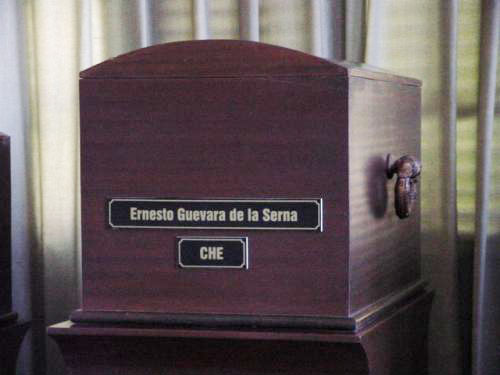
- Το φέρετρο με τα οστά του Τσε, Σάντα Κλάρα, Οκτώβρης 1997.
Ραούλ Κάστρο (Raúl Castro)
 Ο Ραούλ Μοδέστο Κάστρο Ρούζ, όπως είναι το πλήρες όνομα του, είναι ο μικρότερος αδελφός του Φιντέλ και Πρόεδρος της Κούβας από το 2008. Γεννημένος το 1931 στο Μπιράν της Κούβας, η ζωή και η δράση του βρέθηκε πάντα στη σκιά του θρυλικού αδελφού του. Ο Ραούλ υπήρξε ο λόγος της συνάντησης του Φιντέλ με τον Τσε Γκεβάρα στο Μεξικό, καθώς ήταν πρωτοβουλία του ιδίου να συστήσει τον νεαρό τότε αργεντίνο γιατρό στον αδελφό του. Καθόλη τη διάρκεια της επαναστατικής δραστηριότητας στην Κούβα ο Ραούλ υπήρξε σταθερά αρωγός και υποστηρικτής των προσπαθειών του Φιντέλ, κάτι που συνεχίστηκε μέχρι τη μεταβίβαση των εξουσιών στον ίδιο το 2008.
Μετά την επιτυχή έκβαση της επανάστασης το 1959, ο Ραούλ διορίστηκε αρχηγός των κουβανικών ενόπλων δυνάμεων. Το 1962 διορίστηκε αναπληρωτής πρωθυπουργός ενώ αργότερα έγινε ο πρώτος αντιπρόεδρος του Υπουργικού Συμβουλίου του κράτους. Θεωρείται ο υπουργός ενόπλων δυνάμεων (Άμυνας) με τη μακροβιότερη θητεία παγκοσμίως. Το 2006 ο Φιντέλ, λόγω εξασθενημένης υγείας, μεταβίβασε τις κυβερνητικές εξουσίες στο Ραούλ, κάτι που επισημοποιήθηκε το 2008 με την παραίτηση του ιστορικού ηγέτη από τη θέση του προέδρου.
Ο Ραούλ είναι παντρεμένος εδώ και 45 χρόνια με την Βίλμα Εσπίν και έχουν τρείς κόρες και ένα γιό.
Letter to Fidel Castro about the situation in Congo 1965
 Το παρακάτω εστάλη από τον Τσε Γκεβάρα στον Φιντέλ Κάστρο στις 5 Οκτωβρίου 1965, δηλαδή τρείς ημέρες αφότου είχε αποστείλει το γράμμα του αποχαιρετισμού. Ο Τσε εξηγεί αναλυτικά στον Σύντροφο του την κατάσταση που επικρατούσε στο Κονγκό, στο οποίο είχε πάει γιά να συνδράμει τοπική μαρξιστική ομάδα ανταρτών. Η αποστολή του γράμματος – και ο τρόπος γραφής του Τσε – αποδεικνύει τους δεσμούς φιλίας και εμπιστοσύνης που συνέδεε τους δύο άνδρες, παρά το γεγονός ότι ο Γκεβάρα είχε πλέον εγκαταλείψει την Κούβα.
Congo, 5.10.1965
Dear Fidel,
I received your letter, which has aroused contradictory feelings in me — for in the name of proletarian internationalism, we are committing mistakes that may prove very costly. I am also personally worried that, either because I have failed to write with sufficient seriousness or because you do not fully understand me, I may be thought to be suffering from the terrible disease of groundless pessimism.
When your Greek gift [Emilio Aragones, a member of the Cuban central committee] arrived here, he told me that one of my letters had given the impression of a condemned gladiator, and the [Cuban health] minister [Jose Ramon Machado Ventura], in passing on your optimistic message, confirmed the opinion that you were forming.
You will be able to speak at length with the bearer of this letter who will tell you his firsthand impressions after visiting much of the front; for this reason I will dispense with anecdotes. I will just say to you that, according to people close to me here, I have lost my reputation for objectivity by maintaining a groundless optimism in the face of the actual situation. I can assure you that were it not for me, this fine dream would have collapsed with catastrophe all around.
In my previous letters, I asked to be sent not many people but cadres; there is no real lack of arms here (except for special weapons) — indeed there are too many armed men; what is lacking are soldiers. I especially warned that no more money should be given out unless it was with a dropper and after many requests. None of what I said has been heeded, and fantastic plans have been made which threaten to discredit us internationally and may land me in a very difficult position.
I shall now explain to you.
Soumialot [Gaston Soumialot, president of the Supreme Council of the Revolution] and his comrades have been leading you all right up the garden path. It would be tedious to list the huge number of lies they have spun. There are two zones where something of an organised revolution exists — the one where we ourselves are, and part of Kasai province (the great unknown quantity) where Mulele [Pierre Mulele, former minister under Lumumba and the first leader to take up arms] is based.
In the rest of the country there are bands living in the forest, not connected to one another; they lost everything without a fight, as they lost Stanleyville without a fight. More serious than this, however, is the way in which the groups in this area (the only one with contacts to the outside) relate to one another.
The dissensions between Kabila [then second vice-president of the Supreme Council of the Revolution and head of the eastern front where Guevara was] and Soumialot are becoming more serious all the time, and are used as a pretext to keep handing towns over without a fight. I know Kabila well enough not to have any illusions about him. I cannot say the same about Soumialot, but I have some indications such as the string of lies he has been feeding you, the fact that he does not deign to come to these godforsaken parts, his frequent bouts of drunkenness in Dar es Salaam, where he lives in the best hotels, and the kind of people he has as allies here against the other group.
Recently a group from the Tshombist [pro-government] army landed, in the Baraka area (where a major-general loyal to Soumialot has no fewer than a thousand armed men) and captured this strategically important place almost without a fight. Now they are arguing about who was to blame — those who did not put up a fight, or those at the lake who did not send enough ammunition. The fact is that they shamelessly ran away, ditching in the open a 75mm recoilless gun and two 82 mortars; all the men assigned to these weapons have disappeared, and now they are asking me for Cubans to get them back from wherever they are (no one quite knows where) and to use them in battle.
Nor are they doing anything to defend Fizi, 36km from here; they don’t want to dig trenches on the only access road through the mountains. This will give you a faint idea of the situation. As for the need to choose men well rather than send me large numbers, you and the commissar assure me that the men here are good; I’m sure most of them are — otherwise they’d have quit long ago. But that’s not the point. You have to be really well tempered to put up with the things that happen here. It’s not good men but supermen that are needed…
And there are still my 200; believe me, they would do more harm than good at the present time — unless we decide once and for all to fight alone, in which case we’ll need a division and we’ll have to see how many the enemy put up against us. Maybe that’s a bit of an exaggeration; maybe a battalion would be enough to get back to the frontiers we had when we arrived here and to threaten Albertville.
But numbers are not what matters; we can’t liberate by ourselves a country that does not want to fight; you’ve got to create a fighting spirit and look for soldiers with the torch of Diogenes and the patience of Job — a task that becomes more difficult, the more shits there are doing things along the way.
The business with the money is what hurts me most, after all the warnings I gave. At the height of my «spending spree» and only after they had kicked up a lot of fuss, I undertook to supply one front (the most important one) on condition that I would direct the struggle and form a special mixed column under my direct command, in accordance with the strategy that I outlined and communicated to you.
With a very heavy heart, I calculated that it would require $5,000 a month. Now I learn that a sum 20 times higher is given to people who pass through just once, so that they can live well in all the capitals of the African world, with no allowance for the fact that they receive free board and lodging and often their travel costs from the main progressive countries. Not a cent will reach a wretched front where the peasants suffer every misery you can imagine, including the rapaciousness of their own protectors; nor will anything get through to the poor devils stuck In Sudan. (Whisky and women are not on the list of expenses covered by friendly governments, and they cost a lot if you want quality.)
Finally, 50 doctors will give the liberated area of the Congo an enviable proportion of one per thousand inhabitants — a level surpassed only by the USSR, the United States and two or three of the most advanced countries in the world. But no allowance is made for the fact that here they are
distributed according to political preference, without a trace of public health organisation. Instead of such gigantism, it would be better to send a contingent of revolutionary doctors and to increase it as I request, along with highly practical nurses of a similar kind.
As the attached map sums up the military situation, I shall limit myself to a few recommendations that I would ask you all to consider objectively: forget all the men in charge of phantom groups; train up to a hundred cadres (not necessarily all blacks)… As for weapons: the new bazooka, percussion caps with their own power supply, a few R-4s and nothing else for the moment; forget about rifles, which won’t solve anything unless they are electronic. Our mortars must be in Tanzania, and with those plus a new complement of men to operate them we would have more than enough for now. Forget about Burundi and tactfully discuss the question of the launches. (Don’t forget that Tanzania is an independent country and we’ve got to play it fair there, leaving aside the little problem I caused.)
Send the mechanics as soon as possible, as well as someone who can steer across the lake reasonably safely; that has been discussed and Tanzania has agreed. Leave me to handle the problem of the doctors, which I will do by giving some of them to Tanzania. Don’t make the mistake again of dishing out money like that; for they cling to me when they feel hard up and certainly won’t pay me any attention if the money is flowing freely. Trust my judgment a little and don’t go by appearances. Shake the representatives into giving truthful information, because they are not capable of figuring things out and present utopian pictures which have nothing to do with reality.
I have tried to be explicit and objective, synthetic and truthful. Do you believe me?
Warm greetings,
CHE
Ούμπερ Μάτος (Huber Matos)
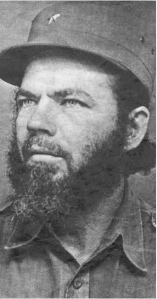
- Ο Μάτος το 1959.
Ο Ούμπερ Μάτος Μπενίτες (Huber Matos Benitez) είναι κουβανός αντεπαναστάτης, πρώην μέλος του Κινήματος της 26ης Ιούλη. Γεννήθηκε στις 26 Νοέμβρη 1918 στην Κούβα. Σήμερα ζει στο Μαϊάμι των Ηνωμένων Πολιτειών.
Για τον Τσε Γκεβάρα ο Ούμπερ Μάτος υπήρξε προδότης της κουβανικής επανάστασης. Το όνομα του ήλθε για πρώτη φορά στην επικαιρότητα τον Ιούλη του 1959 όταν και διαφώνησε δημόσια με τη μαρξιστική ιδεολογικοπολιτική κατεύθυνση της Επανάστασης, ερχόμενος σε ευθεία ρήξη με τον Φιντέλ Κάστρο. Η στάση του σε μια κρίσιμη περίοδο για την Κούβα ήταν αποσταθεροποιητικός παράγοντας, καθώς ο ίδιος – όντας διευθυντής του επαναστατικού στρατού στην πόλη Κάμαγουεϊ – προέβαινε συχνά σε δημόσιες αντικομμουνιστικές τοποθετήσεις υποσκάπτοντας την κοινή προσπάθεια για εγκαθύδριση λαϊκής εξουσίας στο νησί.
Στις 19 Οκτώβρη 1959 ο Μάτος απέστειλε επιστολή παραίτησης στον Φιντέλ και δύο μέρες αργότερα συναντήθηκε μαζί του ο Κομαντάντε Καμίλο Σιενφουέγος. Ο Σιενφουέγος, ο οποίος έμελλε να χαθεί μυστηριωδώς τις επόμενες ημέρες, είχε εντολή να συζητήσει μαζί του και να τον συλλάβει ως αντεπαναστατικό στοιχείο. Τη σύλληψη του Μάτος ακολούθησε νέα ένταση στις σχέσης της νέας επαναστατικής κυβέρνησης με την Ουάσινγκτον που κορυφώθηκε με την μισθοφορική εισβολή στον Κόλπο των Χοίρων.
Η δίκη του Ούμπερ Μάτος έλαβε χώρα στις 11 Δεκέμβρη 1959 με τον πρώην στρατιωτικό διοικητή να κατηγορείται για «προδοσία». Σε κυβερνητικό συμβούλιο που είχε συγκληθεί νωρίτερα ο Τσε – όπως και ο Ραούλ Κάστρο – είχε αποφανθεί υπέρ της εκτέλεσης του κουβανού αντεπαναστάτη. Αποφυλακίστηκε τον Οκτώβρη του 1979 και εγκατέλειψε οριστικά την Κούβα. Εγκαταστάθηκε στη Φλόριντα όπου συνεχίζει μέχρι σήμερα απροκάλυπτη προπαγάνδα ενάντια στην κουβανική επανάσταση και τον Φιντέλ Κάστρο προσωπικά.
Τσε Γκεβάρα: Για την ηθική στον πολιτικό αγώνα
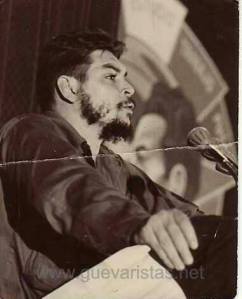 Άρθρο της Ζανέτ Χαμπέλ, καθηγήτριας στο Ινστιτούτο λατινοαμερικανικών σπουδών του Παρισιού, δημοσιευμένο το 1997 (30η επέτειος δολοφονίας του Τσε). Το Ελληνικό Αρχείο Τσε Γκεβάρα, στο πλαίσιο του πλουραλισμού των απόψεων, αναδημοσιεύει το παρακάτω κείμενο χωρίς να υιοθετεί τις απόψεις που εκφράζονται σε αυτό.
Της Janette Habel*.
Η συντομία της πολιτικής του ζωής (δεκατρία χρόνια από τη νίκη της CIA ενάντια στον Αρμπέντζ στη Γουατεμάλα ώς το θάνατό του στη Βολιβία, οχτώ χρόνια στην Κούβα, από τα οποία έξι μετά τη νίκη) και η απότομη επιτάχυνση της ιστορίας, στην οποία συμμετείχε, καθιστούν ακόμα πιο σύνθετη την ερμηνεία ορισμένων κειμένων του. Η σκέψη του Τσε ήταν συνεχώς σε εξέλιξη. Παρόλο που ο ίδιος αρνιόταν ότι ήταν θεωρητικός και παρόλο που δεν είχε συμμετάσχει σε πολιτικό κόμμα πριν τη στράτευσή του στην Κούβα, όλοι οι μάρτυρες συγκλίνουν: τόσο στη Σιέρα Μαέστρα όσο και κατά την άνοδο στην εξουσία, ήταν ένας από τους κύριους -αν όχι ο κύριος- εμπνευστής της ριζοσπαστικής πορείας της επανάστασης. Αλλά η πολιτική του συνείδηση θα εξελισσόταν βαθιά μέσα σε μερικά χρόνια. Από τη θετική αναφορά του στις χώρες του «παραπετάσματος», στη Σιέρα Μαέστρα (σε γράμμα του προς τον υπεύθυνο του Κινήματος της 26ης Ιουλίου, Ρενέ Ράμος Λατούρ, γράμμα που ο ίδιος χαρακτήρισε σαν «ηλίθιο» αργότερα) ώς την αμείλικτη κριτική της ΕΣΣΔ και των χωρών της κεντρικής Ευρώπης στα 1964-65, έξι χρόνια μόλις πέρασαν. Τον Οκτώβριο του 1960, πάει στη Μόσχα. Το νησί είναι πνιγμένο από το αμερικάνικο εμπάργκο στα εμπορεύματα, που κηρύχτηκε στις 13 Οκτωβρίου. Από το σοβιετικό μπλοκ καταφέρνει να εξασφαλίσει πιστώσεις και την αγορά ενός μεγάλου μέρους της κουβανέζικης ζάχαρης έναντι πετρελαίου (η Κίνα θα αγοράσει το υπόλοιπο). Όντας παρών στην επέτειο της οκτωβριανής επανάστασης, καταχειροκροτείται από το πλήθος.
Σίγουρος ότι μια αμερικάνικη επίθεση ετοιμάζεται (η επιδρομή στον Κόλπο των Χοίρων θα γίνει 4 μήνες αργότερα), επιστρέφει πεπεισμένος ότι «η ΕΣΣΔ και όλες οι σοσιαλιστικές χώρες είναι διατεθειμένες να μπουν σε πόλεμο για να υπερασπίσουν την κυριαρχία μας» (1). Τον Οκτώβρη του 1962, η κρίση των πυραύλων θα διαψεύσει πικρά τις αυταπάτες του. Και ο αντάρτης, που έχει γίνει υπουργός, θα γνωρίσει από κοντά τις σοβιετικές εμπορικές πρακτικές της διπλωματίας μεγάλης δύναμης της Μόσχας, ακριβώς κατά την κρίση των πυραύλων. Ανακαλύπτει τη θλιβερή αλήθεια του αυταρχικού γραφειοκρατικού σοσιαλισμού και τα προνόμια των κατόχων της εξουσίας του. Στις διαλέξεις του σαν Υπουργός Βιομηχανίας, καταγγέλλει αυτό που δεν το ονομάζουν ακόμα «υπαρκτό σοσιαλισμό». Η σκέψη του περιέχει τότε έναν ανθρωπισμό που έχει σφυρηλατηθεί στη διάρκεια του γύρου του στη Λατινική Αμερική. Αργεντίνος, γνωρίζει τις πελατειακές και λαúκιστικές πρακτικές του περονισμού. Αργότερα θα ανακαλύψει τα προνόμια των «διευθυντών» και των υπεύθυνων του Κόμματος. «Ο νέος άνθρωπος» που θέλει να προωθήσει (και που τον παρουσιάζουν γελοιογραφικά σαν ολοκληρωτισμό), η παραδειγματική συμπεριφορά που έχει ο ίδιος σαν ηγέτης, η εθελοντική εργασία που προωθεί, βρίσκονται στον αντίποδα των σταλινικών πρακτικών. Ο ίδιος εμπνέεται από μια ηθική αντίληψη για την εξουσία που αποδεικνύεται να είναι ταυτόχρονα και πολιτική αναγκαιότητα. Όταν αναγγέλλει στους εργάτες της ζάχαρης το 1961 ότι οι ελλείψεις θα επιδεινωθούν (το κρέας και το γάλα δίνονται πλέον με δελτίο) αναλαμβάνει μια δέσμευση που θα ξεσηκώσει τον ενθουσιασμό των συμμετεχόντων: «Στο νέο στάδιο της επαναστατικής πάλης κανείς δεν θα παίρνει περισσότερα από τους άλλους, δεν θα υπάρχουν ούτε προνομιούχοι υπάλληλοι ούτε λατιφουντίστες. Οι μόνοι προνομιούχοι στην Κούβα θα είναι τα παιδιά». Ο πληθυσμός υποφέρει ήδη από πολλές στερήσεις. Η αντίσταση στην αμερικάνικη επιδρομή συνεπάγεται μια τεράστια λαϊκή κινητοποίηση, που είναι αδύνατη χωρίς την ένταξη στο επαναστατικό σχέδιο. Η νίκη στον Κόλπο των Χοίρων, πρώτη αυτοκρατορική ήττα στη λατινική Αμερική δεν εξηγείται αλλιώς.
Μακρυά από τη διαφθορά και το νεποτισμό που χαρακτηρίζουν τους λατινοαμερικάνους καουντίγιος (=ηγέτες), ο Τσε προβάλει την εικόνα ενός λιτού ηγέτη, απαιτητικού με τον εαυτό του όπως και με τους άλλους. Τα ανέκδοτα είναι ατέλειωτα: καταργεί τις πρόσθετες μερίδες της οικογενείας του στα τρόφιμα, εξηγεί δημόσια γιατί πρέπει να μείνει προσωρινά -καθότι άρρωστος- σε ένα σπίτι κοντά στη θάλασσα που ο μισθός του δεν του επιτρέπει να το πληρώνει. Ο Τσε γρήγορα συνειδητοποιεί την ανάγκη να παλαίψει ενάντια στα προνόμια. Το επαναστατικό σχέδιο έπρεπε κατά τη γνώμη του να οδηγήσει στην ανάδυση ενός ηγέτη που να μην αγγίζεται από οποιαδήποτε διαφθορά, που να συμφωνούν τα λόγια με τις πράξεις του. Η προσωπική του λιτότητα ήταν παροιμιώδης. Διεξήγε μια ασταμάτητη πάλη ενάντια στη γραφειοκρατικοποίηση της νέας διοίκησης, προσπαθώντας να επιβάλει έναν τρόπο άσκησης της εξουσίας ριζικά κανούργιο. Απέτυχε και «ο Αργεντίνος», όπως τον ανέφεραν με περιφρόνηση ορισμένοι υπάλληλοι, θα κάνει πολλούς εχθρούς. Μερικές φορές δόθηκε στην ανυποχωρητικό- τητά του μια ψυχαναλυτική ερμηνεία. Αυτή απλώς δεν κατανοεί γιατί στην Κούβα η νέα εξουσία έπρεπε να ενσαρκώσει μια ριζική ρήξη με τη διαφθορά του παλαιού καθεστώτος. Επειδή η «φύση» επανέρχεται γρήγορα καλπάζοντας: το μαρτυρούν οι αντάρτες εκείνοι της 26ης Ιούλη, που μετά τη στρατηγική νίκη της Σάντα Κλάρα, με τον Μπατίστα να έχει ηττηθεί, καταλαμβάνουν τις κάντιλακ των αστυνομικών της διχτατορίας για να πάνε στη Αβάνα. Αμέσως τιμωρούνται από τον Τσε. Λένε σήμερα ότι οι τιμωρίες αυτές, ή και οι πολύ σοβαρές ποινές του, αποτελούσαν έναν ειδικό σταλινισμό, ένα τροπικό γκούλαγκ. έτσι, όλα ανακατεύονται: η πειθαρχία που επιβάλλεται στο αντάρτικο ενάντια σε μια διχτατορία που στηρίζεται από την Ουώσιγκτον, οι εκτελέσεις των βασανιστών του Μπατίστα στο στρατόπεδο της Καμπάνια, μετά την κατάληψη της εξουσίας, υποτιθέμενα προεόρτια της κατασταλτικής εξέλιξης του καθεστώτος. Ξεχνούν τον Τσε που περίθαλπε τους πληγωμένους κρατούμενους και που τους απελευθέρωνε κατόπιν, όπως και τη λιτή του αλλά και απεριόριστη γενναιοδωρία.
Μια ανολοκλήρωτη σκέψη.
Η ανάγνωση των τελευταίων κειμένων του Τσε στη μεγάλη δημόσια οικονομική συζήτηση που τον αντέταξε στους οπαδούς των σοβιετικών οικονομικών μεταρρυθμίσεων της δεκαετίας του 1960 – πρώτη έκδοση της περεστρόικα-, του δοκιμίου του για «Το σοσιαλισμό και τον άνθρωπο στην Κούβα» και των τελευταίων του λόγων, ιδιαίτερα εκείνου στο Αλγέρι το 1965, δείχνουν με σαφήνεια μια κριτική και προφητική διορατικότητα για τα προβλήματα της μεταβατικής κοινωνίας στην ΕΣΣΔ. Στο βιβλίο που άρχισε λίγο πριν πεθάνει και που παρέμεινε ανολοκλήρωτο, έγραφε: «Πολλές αναταράîεις περιμένουν την ανθρωπότητα πριν απελευθερωθεί οριστικά, αλλά -είμαστε πεπεισμένοι- αυτή δεν θα μπορέσει να γίνει χωρίς μια ριζική αλλαγή στρατηγικής από τις κύριες σοσιαλιστικές δυνάμεις. Η αλλαγή αυτή θα είναι άραγε το προϊόν της αναπόφευκτης πίεσης του ιμπεριαλισμού ή μήπως της εξέλιξης των μαζών σε αυτές τις χώρες ή ακόμα και ενός μείγματος παραγόντων; Η ιστορία θα μας το πει. Εμείς προσφέρουμε από την πλευρά μας ένα μικρό κόκκο άμμου με το φόβο μήπως η όλη επιχείρηση îεπεράσει τις δυνάμεις μας» (2).
Γρήγορα συνειδητοποίησε τις δυσκολίες που κινδύνευε να γνωρίσει η Κούβα, δεδομένης της εξάρτησής της από το σοβιετικό «μεγάλο αδελφό». Ήδη από την κατάληψη της εξουσίας είχε καταλάβει την ανάγκη ρήξης με τη μονοκαλλιέργεια της ζάχαρης, για να μειωθεί η εξάρτηση της χώρας και να επιχειρηθεί μια πιο αυτόνομη οικονομική ανάπτυξη. Το βάρος που έθεσε στον εκβιομηχανισμό απαντούσε σε αυτή την βασική ανησυχία. Αλλά πολύ γρήγορα ο σιδερένιος νόμος της παγκόσμιας αγοράς έγινε αισθητός: η μείωση της παραγωγής ζαχαροκάλαμων -κύριο εξαγωγικό προúόν- δεν επέτρεπε να εξασφαλιστούν οι εισαγωγές που ήταν απαραίτητες για την οικονομική ανάπτυξη μιας χώρας χωρίς ενεργειακούς πόρους και της οποίας τα εισοδήματα προέρχονταν κυρίως από αυτή τη μονοκαλλιέργεια που είχε επιβάλει η αποικιοκρατία το 19ο αιώνα. Έπρεπε να υπάρξει διόρθωση. «Θελήσαμε να επιταχύνουμε τον εκβιομηχανισμό. Ήταν ανοησία. Θελήσαμε να αντικαταστήσουμε όλες τις εισαγωγές και να κατασκευάσουμε τα τελικά προϊόντα χωρίς να δούμε τις τεράστιες επιπλοκές που υποθέτει η εισαγωγή ενδιάμεσων προϊόντων», θα πει ο Τσε στον Εντουάρντο Γκαλεάνο (3).
Το εμπόριο με την ΕΣΣΔ, και ιδιαίτερα οι παραδόσεις πετρελαίου μετά την πλήρη ρήξη με τις ΗΠΑ, θα μπορούσαν να εγγυηθούν τη σταθερότητα των συναλλαγών, καθώς και μια πραγματική εμπορική ισότητα μεταξύ μιας μικρής οικονομικά κυριαρχούμενης χώρας και μιας δύναμης που αναφερόταν στο σοσιαλισμό, που διέθετε πυρηνικό οπλοστάσιο και που είχε μόλις ξεκινήσει την κατάκτηση του διαστήματος. Δεν χρειάστηκε πολύς καιρός στον Τσε – αντίθετα από άλλους κουβανούς ηγέτες- για να καταλάβει τους κινδύνους και το εύθραυστο των σχέσεων αυτών.
Μετάβαση και υπανάπτυξη.
Πολύ γρήγορα οι αμφιβολίες του επικεντρώθηκαν στην εσωτερική πολιτική. Οι προτάσεις για εμπορευματικές οικονομικές μεταρρυθμίσεις που πρότειναν οι σοβιετικοί οικονομολόγοι (ιδιαίτερα οι Λίμπερμαν και Τραπέζνικοφ) έγιναν αντικείμενο πολλών συζητήσεων, την ίδια στιγμή που το νησί αντιμετώπιζε ήδη την ανάγκη επανορισμού της στρατηγικής της ανάπτυξης. Η μεγάλη οικονομική συζήτηση του 1963 με 1965 στο εσωτερικό του Υπουργείου Βιομηχανίας, και μετά μέσα στην κουβανέζικη ηγεσία, ήταν για την οικοδόμηση του σοσιαλισμού και μετά ειδικότερα για τις συνθήκες της μετάβασης από τον καπιταλισμό στο σοσιαλισμό, μέσα σε ένα νησί που υπόκειται στους εξαναγκασμούς της μονοκαλλιέργειας ζάχαρης, με την άμεση πίεση της διεθνούς αγοράς και που η ανάπτυξή του εμποδιζόταν από το εμπάργκο που του είχε επιβάλει η πρώτη παγκοσμίως οικονομική δύναμη. Η αντίθεση αφορούσε το ρόλο του νόμου της αξίας στην περίοδο της μετάβασης, το βαθμό συγκεντροποίησης των επιχειρήσεων, το ρόλο των υλικών και ηθικών κινήτρων. Αυτοί που υπογράμμιζαν τη σημασία του νόμου της αξίας απέδιδαν ένα κύριο βάρος στους μηχανισμούς της αγοράς μέσα στην σχεδιασμένη οικονομία, καθώς και στην ανάγκη να αποδοθεί πλατιά χρηματοδοτική αυτονομία στις επιχειρήσεις, τονίζοντας το ρόλο των χρηματικών κινήτρων για να αυξηθεί η παραγωγικότητα της εργασίας.
Ο Τσε και οι οπαδοί του έθεταν καταρχήν το βάρος στην ανάγκη μιας συγκεντροποιημένης διαχείρισης, μέσα στο πλαίσιο των ανισοτήτων της κουβανέζικης ανάπτυξης: αναπτυγμένο τηλεπικοινωνιακό και συγκοινωνιακό δίκτυο, αλλά δραματική έλλειψη στελεχών και ανάγκη δραστικού ελέγχου των πόρων, δεδομένου του εμπάργκο, του χαμηλού επιπέδου ανάπτυξης και κυρίως της έλλειψης συναλλάγματος. Εκτιμούσε ότι η χρηματοδοτική αυτονομία των επιχειρήσεων κινδύνευε να θέσει σε αμφισβήτηση τις προτεραιότητες που αποφασίζονταν σε εθνικό επίπεδο, προς όφελος τομεακών επιλογών, και να αυξήσει την αυτονομία των διευθυντών στο χώρο των επενδύσεων και των μισθών, καθώς και να οδηγήσει σε μια ανισομερρή και ανισόρροπη ανάπτυξη. Φοβόταν τις επιπτώσεις μιας οργάνωσης της εργασίας που θα στηριζόταν αποκλειστικά στα χρηματικά κίνητρα και στις κοινωνικές διαφοροποιήσεις που απορρέουν αναγκαστικά από αυτά. Προφητικά, έγραφε: «Επανερχόμαστε στη θεωρία της αγοράς… όλη η οργάνωση της αγοράς βασίζεται στο υλικό κίνητρο… και είναι οι διευθυντές που κάθε φορά κερδίζουν περισσότερα. Πρέπει να δούμε το τελευταίο σχέδιο της Ανατολικής Γερμανίας, τη σημασία που αποκτάει εκεί η διαχείριση του διευθυντή ή, καλύτερα, η αμοιβή της διαχείρισης του διευθυντή» (4). Είκοσι πέντε χρόνια αργότερα είδαμε τις συνέπειες, όταν εξεγέρθηκαν οι λαúκές μάζες της Ανατολικής Γερμανίας, κουρασμένες από τον οικονομικό μαρασμό, από την έλλειψη πολιτικών ελευθεριών και από τα προνόμια των διεφθαρμένων ηγετών.
Εμπνεόμενος από την οξυμένη του αντιγραφειοκρατική ευαισθησία και καθοδηγούμενος από πολιτικές και κοινωνικές θεωρήσεις, ο Τσε τάχθηκε ενάντια στην προτεραιότητα των νομισματο-εμπορευματικών σχέσεων στην οικοδόμηση του σοσιαλισμού, χωρίς αυτό να σημαίνει ότι είχε ποτέ την αυταπάτη της απότομης κατάργησής τους. Απέχοντας πολύ από την καρικατούρα στην οποία έχουν μεταβάλει τις θέσεις του, επέμενε στην ανάγκη ηθικών κινήτρων, που τα έβλεπε σαν συλλογικά κίνητρα στην εργασία, πράγμα που συνοδευόταν από μια μισθωτική πολιτική στενά συνδεδεμένη με την ανάπτυξη των ειδικεύσεων, με πιο σημαντικό «την ορθή επιλογή του εργαλείου κινητοποίησης των μαæών» χωρίς το οποίο ο σοσιαλισμός ήταν κατά τη γνώμη του καταδικασμένος σε αποτυχία. Η ισότητα των δικαιωμάτων και η κοινωνικοποίηση -ασφαλώς υπερβολική- της οικονομίας ήταν αποφασιστικά στοιχεία για τη λαúκή αντίσταση: απέναντι στην εξωτερική επίθεση, ένας άλλος κόσμος φαινόταν να οικοδομείται και άξιζε τον κόπο να αγωνιστεί κανείς για αυτόν. Αλλά, διεκδικώντας το δικαίωμα λάθους, διευκρίνιζε πως, εάν οι αντιλήψεις του «αποδεικνύονταν επικίνδυνο φρένο για την ανάπτυξη των παραγωγικών δυνάμεων, θα έπρεπε να εισαχθούν τα συμπεράσματα και να επιλεγούν οι πιο δοκιμασμένοι δρόμοι μετάβασης (transitados)» (5).
Η ανάπτυξη της επαναστατικής συνείδησης και της εκπαίδευσης θα έπρεπε να συμβάλει στη σφυρηλάτηση μιας κομμουνιστικής στάσης απέναντι στην εργασία (νά γιατί έδειχνε το παράδειγμα όχι από μαζοχισμό αλλά από αναγκαιότητα), «η διαμόρφωση του νέου ανθρώπου και η ανάπτυîη της τεχνικής» θα έπρεπε να κάνουν τη μετάβαση προς το σοσιαλισμό να αποφύγει το ξεστράτισμα. Οι σχέσεις μεταξύ σοσιαλισμού και ανθρώπου ήταν στο κέντρο των θεμάτων που τον απασχολούσαν, ο άνθρωπος σαν ουσιαστικός παράγοντας της επανάστασης, «ενεργός σε αυτό το περίεργο και συναρπαστικό δράμα που είναι η οικοδόμηση του σοσιαλισμού». Η εκπαίδευση και η συνείδηση θα ήταν στο επίκεντρο αυτής της πιο δίκαιης κοινωνίας. «Σε αυτή την περίοδο οικοδόμησης του σοσιαλισμού, μπορούμε να δούμε τη γέννηση του νέου ανθρώπου. Η εικόνα του δεν είναι ακόμα τελείως îεκάθαρη, δεν θα μπορέσει ποτέ να είναι όσο η εîέλιîη αυτή είναι παράλληλη προς την ανάπτυξη νέων οικονομικών δομών… Είναι ο άνθρωπος του 21ου αιώνα που πρέπει να δημιουργήσουμε, έστω και αν ακόμα αυτό δεν είναι παρά μια υποκειμενική και μη συστηματική φιλοδοξία» (6). Έτσι, πέρα από τις παραμορφώσεις, οι αφετηρίες του Τσε ήταν ανθρωπιστικές και επαναστατικές. Αλλά είναι αλήθεια ότι έδινε υπερβολικά έμφαση στην οικονομική κριτική, στο βάρος των εμπορευματικών σχέσεων και ανεπαρκώς στον αστυνομικό και κατασταλτικό χαρακτήρα του σοβιετικού πολιτικού συστήματος.
Αναμφισβήτητα εδώ βρίσκεται μία από τις ουσιαστικές αδυναμίες της σκέψης του. Ένας από τους βιογράφους του, ο Ρομπέρτο Μασάρι (7), υπογραμμίζει (όπως και ο Κ.Σ.Κάρολ) τις αδυναμίες της σκέψης του Τσε, πράγμα που το μαρτυρούν ώς το 1963 πολλοί από τους λόγους ή τα γραπτά του. Η αδυναμία αυτή πάει μαζί και με μια ορισμένη αφέλεια, αξιοσημείωτη στις κρίσεις του απέναντι στα στελέχη του παλιού PSP. Μόνο το 1966, σχολιάζοντας το Εγχειρίδιο Πολιτικής Οικονομίας της ΕΣΣΔ, εμβαθύνει τη θεωρητική του σκέψη. Τότε γράφει: «Το τρομερό ιστορικό έγκλημα του Στάλιν» ήταν «ότι περιφρόνησε την κομμουνιστική εκπαίδευση και επέβαλε την απεριόριστη λατρεία της αυθεντίας» (8). Ενάντια στο δογματισμό «Μια εξέγερση ενάντια στις ολιγαρχίες και ενάντια στα επαναστατικά δόγματα». Έτσι γιόρτασε στο ημερολόγιό του της Βολιβίας την επέτειο του κινήματος της 26ης Ιούλη. Επέκρινε με οξύτητα «το σχολαστικισμό που επιβράδυνε την ανάπτυξη της μαρξιστικής φιλοσοφίας και εμπόδισε συστηματικά τη μελέτη της περιόδου αυτής της οποίας δεν έχουμε αναλύσει τα οικονομικά θεμέλια» (Ο σοσιαλισμός και ο άνθρωπος).
Η σύλληψή του για την πρωτοπορία, που καθοδηγείται από παραδειγματικούς ηγέτες, μαρτυράει μια κριτική αλλά ανολοκλήρωτη σκέψη για το ρόλο και τη θέση του κόμματος στις σχέσεις του με τις μαζικές οργανώσεις. Ειρωνευόταν: «Το Κόμμα ήδη αποφάσισε για εσένα και εσύ δεν έχεις παρά να το χωνέψεις» (9). Και διακήρυξε: «Δεν πρέπει να δημιουργήσουμε μισθωτούς που να ακολουθούν την επίσημη σκέψη ούτε «υπότροφους» που ζουν με την προστασία του κρατικού προûπολογισμού ασκώντας μια ελευθερία σε εισαγωγικά». Αλλά δεν ανέλυε τις καταστρεπτικές επιπτώσεις του μοναδικού κόμματος/κόμματος-κράτους: η εμπειρία του από τα έξι χρόνια επί κεφαλής του κουβανέζικου κράτους ήταν πολύ σύντομη. Είχε σημαδευτεί από τον πόλεμο, την τεράστια σύγκρουση με την Ουώσιγκτον και από την ιδιομορφία της κουβανέζικης εμπειρίας. Στη Σιέρα Μαέστρα αντιτάχθηκε στην αστική πτέρυγα του κινήματος της 26ης του Ιούλη, που ταυτίστηκε με ένα δεξιό ρεύμα. Η ύπαρξη, ώς το 1965, τριών ξέχωρων πολιτικών ρευμάτων (το Κ-26-Ι, το PSP και το Διευθυντήριο) αποδείχτηκε εμπόδιο για την ενότητα της Επανάστασης. Το μοναδικό Κόμμα συστάθηκε μόνο το 1975, τόσο δύσκολη ήταν η συγχώνευση. Στο πολεμικό κλίμα των πρώτων χρόνων της επανάστασης, το ουσιαστικό ήταν η αντίσταση. Ο πλουραλισμός αφέθηκε για αργότερα. Αυτό δεν τον εμπόδισε να θέσει στην πράξη μια πολιτική σύλληψη βαθιά διαφορετική από αυτήν που εγκατέστησε η νέα εξουσία. Κατά την πρώτη Εθνική Σύσκεψη Παραγωγής το 1961, η διαφάνεια βασιλεύει: τα λάθη και οι υπεύθυνοί τους αναφέρονται δημοσίως. «Μόλις με υποδεχτήκατε με ζεστά χειροκροτήματα, αλλά δεν ξέρω αν είναι σαν καταναλωτή ή σαν συνένοχο. Νομίæω ότι είναι μάλλον σαν συνένοχο», δικηρύσσει μπροστά σε 3.500 στελέχη της κυβέρνησης. Ήταν ο μόνος -και με πόσες επικρίσεις για αυτό!- που οργάνωσε, στην επιθεώρηση του υπουργείου βιομηχανίας, μια δημόσια και αντιφατική συζήτηση για το οικονομικό σύστημα της χώρας. Το υπουργείο ήταν εξάλλου καταφύγιο για αυτούς που απομακρύνονταν από τις θέσεις τους: έτσι ενέταξε τον τέως υπουργό επικοινωνιών, Ολτούσκι, που απομακρύνθηκε από την κυβέρνηση τον Ιούλιο του 1960. Το ανέκδοτο είναι ακόμα πιο σημαντικό επειδή ο Τσε είχε διεξάγει μια έντονη πολεμική ενάντια στον Ολτούσκι κατά τη διάρκεια της εξέγερσης. Μέλος της αριστεράς πτέρυγας του Κ-26-Ι, ο Ολτούσκι κρίθηκε υπερβολικά αντισοβιετικός, τη στιγμή που γινόταν η προσέγγιση με την ΕΣΣΔ. Ο Τσε με τον ίδιο τρόπο αρνήθηκε να υποκύψει στις πιέσεις ενός συνδικαλιστή ηγέτη που απαιτούσε να απολυθεί ένας τραπεζουπάλληλος που κατηγορήθηκε ότι ήταν φιλο-μπατίστας: υπερασπίζοντας την εντιμότητα του τελευταίου ο Τσε κατάγγειλε το ξεκίνημα ενός κυνηγιού μαγισσών (10).
Σε ένα ενδεικτικό κείμενο (un pecado de la revolucion) ο Τσε θυμίζει τα λάθη που έκαναν κατά τη γνώμη του απέναντι στο Δεύτερο μέτωπο του Εσκαμπρέ που παραμερίστηκε στη διάρκεια της πορείας προς την Αβάνα, λάθη που εκτιμάει ότι ήταν η αιτία της αποχώρησης πολλών στελεχών. Οι αυτοκριτικές αυτές σκέψεις για τις ενωτικές σχέσεις πριν την κατάληψη της εξουσίας είναι οι μόνες που έχουν δημοσιευτεί ώς τώρα. Περισσότερο από κάθε άλλον ηγέτη του τρίτου κόσμου της εποχής, είχε συνείδηση των ελαττωμάτων του «υπαρκτού σοσιαλισμού». Αλλεργικός απέναντι στην κωδικοποιημένη γλώσσα των απαράτσικ, δεν δίσταζε να κατακρίνει δημόσια και σκληρά: στο δημόσιο λόγο του στο Αλγέρι το 1965 (τελευταίος του επίσημος λόγος σαν κουβανός επίσημος) κατάγγειλε μπροστά στην αφρο-ασιατική σύναξη την «σιωπηρή συνενοχή» της σοβιετικής ηγεσίας στην ιμπεριαλιστική εκμετάλλευση και στη διατήρηση της άνισης ανταλλαγής. Επίσης, επειδή είχε προαισθανθεί τις τεράστιες δυσκολίες στις οποίες θα προσέκρουε η οικοδόμηση του σοσιαλισμού σε ένα μόνο νησί, καθώς και την ανάγκη άλλων επαναστατικών νικών, για αυτό και λάνσαρε στο μήνυμά του στην Τριηπειρωτική το διάσημο σύνθημα «Να δημιουργήσουμε δύο, τρία Βιετνάμ»…, και για το οποίο επίσης έχει δοθεί μια γελοιογραφική εικόνα.
Αηδιασμένος από «τον πόλεμο βρισιών και τρικλοποδιών που δίνουν οι δύο μεγάλες δυνάμεις του σοσιαλιστικού στρατοπέδου», φλεγόταν «από την αγωνία αυτής της παράλογης στιγμής της ανθρωπότητας» απέναντι «στη βιετναμέζικη μοναξιά». Με διορατικότητα, ο Τσε προχωρούσε πολύ πιο μπροστά από την ισοτρική εξέλιξη προβλέποντας τους κινδύνους απομονωμένων εξεγέρσεων σε μια παγκόσμια σύνθεση τραγικά κυριαρχούμενη την εποχή του ψυχρού πολέμου από τον ιμπεριαλισμό και το σταλινισμό, ο θάνατος του δεύτερου όντας ήδη γραμμένος στην τροχιά του. Ήδη από το 1962, ένα χρόνο μετά την επίσημη διακήρυξη του σοσιαλιστικού χαρακτήρα της κουβανέζικης επανάστασης και δύο χρόνια μετά τη δημιουργία προνομιακών σχέσεων με την ΕΣΣΔ, η κρίση των πυραύλων συγκλόνισε την εμπιστοσύνη του στη σταθερότητα της συμμαχίας και στη βιωσιμότητα της βοήθειας. Είχε αναλάβει να διαπραγματευτεί τη στρατιωτική στήριξη της Μόσχας απέναντι στις όλο και πιο συγκεκριμένες απειλές αμερικανικής επέμβασης, μετά την αποτυχία της επιδρομής στον Κόλπο των Χοίρων το 1961. Η πρόταση να εγκατασταθούν πυρηνικοί πύραυλοι στην Κούβα -που η πρωτοβουλία της ανήκει στη Μόσχα- είχε σαν στόχο να αποθαρρύνει το Πεντάγωνο από την αρχή μια τέτοιας επίθεσης. Αλλά άλλαζε στην πράξη την ατομική ισορροπία. Η εγγύτητα με το αμερικάνικο έδαφος επιδείνωνε την πυρηνική απειλή καθιστώντας, σε περίπτωση σύγκρουσης, μια σοβιετική επίθεση πολύ πιο γρήγορη και μειώνοντας την αποτελεσματικότητα της αμερικάνικης αντίδρασης. Ο Κένεντυ απαίτησε την απόσυρση των πυραύλων, απειλώντας με θερμοπυρηνική σύγκρουση: ο κόσμος ήταν στο χείλος του πολέμου. Η σοβιετική κυβέρνηση δέχτηκε να αποσύρει τα επιθετικά όπλα. Αλλά η απόσυρση των πυραύλων και οι διαπραγματεύσεις μεταξύ Χρουστσόφ και Κένεντυ έγιναν με τη γραφειοκρατική παράδοση της σοβιετικής διπλωματίας χωρίς να ζητήσουν κάν τη γνώμη των Κουβανών, σε πλήρη περιφρόνηση της κουβανέζικης κυριαρχίας. Η έκπληξη και η οργή των Κουβανών ήταν πλήρεις και η κρίση του Οκτώβρη («αυτές οι φωτεινές και θλιβερές μέρες» που αναφέρει στο αποχαιρετιστήριο γράμμα του) έβαλε αναμφίβολα την πρώτη σφήνα στις σοβιετο-κουβανικές σχέσεις.
Η εξωτερική πολιτική της ΕΣΣΔ -ιδιαίτερα η φειδωλή υποστήριξη προς το βιετναμέζικο λαό- θα ενίσχυε την όλο και πιο κριτική του αντίληψη απέναντι στο σοσιαλιστικό στρατόπεδο.
Το μυστήριο της αναχώρησης.
Πώς να κατανοηθεί η αναχώρησή του από την Κούβα; Με την πεποίθησή του ότι ήταν αδύνατη η ανάπτυξη μόνο στο νησί; Με την επιθυμία του να ξαναβρεθεί στα πεδία των μαχών; Με τη θέλησή του να σπάσει την κουβανέζικη εξάρτηση από την ΕΣΣΔ και μάλιστα σε συμφωνία με τον Φιντέλ; Αυτός ο καταμερισμός καθηκόντων μεταξύ του διαχειριστή πολιτικού και του εξεγερμένου μαχητή ήταν ίσως το αποτέλεσμα ενός συμβιβασμού. Αλλά ο καταμερισμός εργασίας αυτός δεν επαρκεί για να περιγράψει τις αστοχίες των διενέξεων πριν από την αναχώρησή του και δεν μας επιτρέπει να καταλάβουμε τη σειρά των επόμενων γεγονότων. Έχει άραγε συνείδηση ότι έχει όλο και λιγότερο θέση στο πολιτικό σύστημα που εγκαθιδρύεται; Οι απαιτήσεις του εξοργίζουν τους υπαλλήλους και τα ηγετικά στελέχη, ο τρόπος ζωής του είναι μια πρόκληση για την αναδυόμενη νομενκλατούρα, της οποίας την αναρμοδιότητα επικρίνει. Η έλλειψη στελεχών είναι καταστροφική για την οικονομική διαχείριση, αλλά ο ίδιος κατηγορεί και τον εαυτό του για τα λάθη που έγιναν: «Είμαστε ένοχοι και πρέπει να το πούμε ειλικρινά. Η εργατική τάξη θέλει να μας καταδικάσει για όλα αυτά; Ας μας καταδικάσει, ας μας αντικαταστήσει, ας μας τουφεκίσει, ας κάνει ό,τι θέλει. Εδώ είναι το πρόβλημα»11. Τα βάζει με τους συνδικαλιστές που η πλειοψηφία τους δεν έχει καμία μαζική βάση και που πιστεύουν ότι έχουν μόνο δικαιώματα και κανένα καθήκον. Υποστηρίζει: «Τη στιγμή αυτήν τα συνδικάτα θα μπορούσαν να μην υπάρχουν και να μεταβιβάσουν τις λειτουργίες τους στις επιτροπές δικαιοσύνης της εργασίας. Μόνο η συνδικαλιστική γραφειοκρατία δεν θα συμφωνούσε, γιατί θα έπρεπε να επιστρέøουν στην παραγωγή… Οι κύριοι ενδιαφερόμενοι απαντούν ότι εδώ και 18 χρόνια είναι συνδικαλιστές ηγέτες». Επίσης καταγγέλλει πολύ νωρίς τη διαστροφή του ρόλου των Επιτροπών άμυνας της επανάστασης (CDR) που τις κατηγορεί ότι είναι φωλιά οππορτουνιστών. Θυμίζει στα μέλη της Ασφάλειας ότι «αντεπαναστάτης είναι κάποιος που παλεύει ενάντια στην επανάσταση, αλλά αυτός που χρησιμοποιεί την επιρροή του για να πετύχει ένα σπίτι και έπειτα για να πάρει δύο αυτοκίνητα, αυτός που παραβιάæει τα δελτία, που κατέχει ό,τι ο λαός δεν έχει, επίσης είναι αντεπαναστάτης»12.
Η πρόσφατη βιογραφία του Πάκο Ιγνάσιο Τάιμπο ΙΙ απεικονίζει καλά την αυξανόμενη ένταση που δημιουργεί η απόκλιση ανάμεσα στην ένδεια οικονομικών και ανθρώπινων πόρων και στον επείγοντα χαρακτήρα της ανάπτυξης σε μια χώρα που της επιτίθενται. «Βρισκόμαστε σε μια δύσκολη στιγμή: δεν έχουμε την πολυτέλεια να τιμωρήσουμε τα λάθη, ίσως να μπορέσουμε να το κάνουμε σε ένα χρόνο. Ποιός θα απολύσει τον Υπουργό βιομηχανίας (13) που υπέγραøε ένα πλάνο τον περασμένο Νοέμβριο προβλέποντας παραγωγή 10 εκατομμυρίων παπουτσιών και μερικές ακόμα τέτοιες ηλιθιότητες;» (14). Μοιάζει να καταναλώνεται σε μια κουραστική πάλη και πολλαπλασιάζει τις κριτικές και αυτοκριτικές απέναντι σε μια λειτουργία που απαιτεί «μια υπεροπτική εκτέλεση, μη συζητημένες υποχρεώσεις. Στο τέλος παύεις να θεωρείς τους ανθρώπους σαν ανθρώπους και τους βλέπεις απλώς σαν στρατιώτες, σαν αριθμούς σε έναν πόλεμο που πρέπει να κερδηθεί. Η ένταση είναι τέτοια που δεν βλέπεις παρά το στόχο… και ξεχνάς σιγά σιγά την καθημερινή πραγματικότητα… Πρέπει να κάνουμε κάτι για να είναι αυτό το Υπουργείο κάπως πιο ανθρώπινο» (15). Ο Τσε μάχεται σε όλους τους τομείς: την ίδια ώρα που προωθεί τη βιομηχανική αναδιοργάνωση διεξάγει και πολεμικές σε θεωρητικό επίπεδο ψάχνοντας έναν άλλο σοσιαλισμό όλο και πιο πεπεισμένος για τη σοβιετική αποτυχία. Αλλά η οικονομική συζήτηση -στην οποία αυτό που διακυβεύεται είναι η στρατηγική της ανάπτυξης του νησιού- τελειώνει για τον Τσε με μια ήττα.
Φεύγει για ένα μακρύ ταξίδι. Ο πολύ κριτικός του λόγος απέναντι στη Μόσχα, που εκφωνεί στο Αλγέρι, είναι πολύ κακόδεκτος: πολλές μαρτυρίες το επιβεβαιώνουν (16), και δεν θα δημοσιευτεί ολόκληρος στον κουβανέζικο τύπο. Ο ένας ακόλουθος της σοβιετικής πρεσβείας που σήμερα βρίσκεται σε εξορία (και θέλει να κρατήσει την ανωνυμία του) υποστηρίζει πως η σοβιετική κυβέρνηση έκανε γνωστό ότι θεωρούσε το λόγο αυτόν απαράδεκτο από μέρους ενός Κουβανού ηγέτη. Αφού τον υποδέχτηκε ο Φιντέλ Κάστρο στο αεροδρόμιο και μίλησε μαζί του για σχεδόν δύο ημέρες, ο Τσε δεν θα ξαναεμφανιστεί πλέον ποτέ δημόσια. Ένα μήνα αργότερα, φεύγει παράνομα για το Κονγκό. Το ότι η Αφρική θεωρήθηκε από την Αβάνα σαν σημαντικό στοιχείο στη σύγκρουση μεταξύ τρίτου κόσμου και ιμπεριαλισμού σε αυτή τη δεκαετία του εξήντα δεν είναι αμφισβητήσιμο. Αλλά μπορούμε να αμφιβάλουμε πως η συμμετοχή του Τσε ήταν και στο πρώτο σχέδιο: πέρα από τα διπλωματικά προβλήματα, η παρουσία του δεν μπορούσε παρά να δημιουργήσει δυσκολίες στους Αφρικάνους ηγέτες (εκ των οποίων ο Λωράν Ντεζιρέ Καμπιλά) που δεν παρέλειψαν να το γνωστοποιήσουν. Όσο τολμηρή και να ήταν η κουβανέζικη εξωτερική πολιτική την εποχή εκείνη -και ήταν εξαιρετικά τολμηρή- δεν φαίνεται ότι η παρουσία του κύριου κουβανού ηγέτη μετά τον Φ.Κάστρο είχε προβλεφθεί. Σύμφωνα με τον Τάιμπο, ο Τσε αναφέρει τον Φεβρουάριο του 1965 μπροστά στον Νάσερ την ενδεχόμενη συμμετοχή του στον κονγολέζικο αγώνα και κατόπιν υποχωρεί μπροστά στα επιχειρήματα του Αιγύπτιου ηγέτη.
Πώς να εξηγηθούν οι δισταγμοί και οι ανατροπές αυτές που τόσο λίγο συμβαδίζουν με την προσωπικότητά του; Μερικούς μήνες παρουσίας τού αρκούν για να συλλάβει το εξωπραγματικό της επιχείρησης, δεδομένων των αδυναμιών των αφρικανικών απελευθερωτικών κινημάτων. Αποφασίζει να οργανώσει την υποχώρηση. Μια στάση που πάει ενάντια στις «αυτοκτονικές» του παρορμήσεις. Αντιτίθεται στην πρόσθετη αποστολή Κουβανών που προτείνει ο Φ.Κάστρο (17). Ρεαλιστής και πραγματιστής, κρίνει την αποχώρηση αναπόφευκτη. Το ημερολόγιό του της Αφρικής (με τίτλο Πέρασμα του επαναστατικού πολέμου: το Κογκό (18)) δεν θα δημοσιευτεί παρά μόνο τμηματικά, τριάντα χρόνια αργότερα. Η αλληλογραφία του με τον Φιντέλ είναι άγνωστη. Έμεινε πολλούς μήνες στην Πράγα «μέρος σίγουρο όπου πρέπει να αποφασίσει τί θέλει να κάνει»19. Η παρουσία του είναι παράνομη, γιατί δεν εμπιστεύεται πολύ τις τσέχικες μυστικές υπηρεσίες. Δεν ξέρουμε τίποτα για τους λόγους αυτής της μακράς παραμονής ούτε για τις ανταλλαγές αλληλογραφίας με τον Φιντέλ. Επιστρέφει διακριτικά στην Κούβα και εκπαιδεύεται μερικούς μήνες παράνομα.
Πώς ετοιμάζεται η αναχώρηση στη Βολιβία στα τέλη του 1966; Πώς να εξηγηθεί ο ρόλος που αποδίδεται στο ΚΚ Βολιβίας, παρά τις σχέσεις που ήδη είναι σχέσεις διένεξης; Η συνάντηση του Τσε στην Κούβα το 1964 με τον ηγέτη μιας διάσπασης του ΚΚΒ που ευνοούσε την ένοπλη πάλη είχε ήδη προκαλέσει την οργή του γενικού γραμματέα Μάριο Μόνχε. Ο τελευταίος θα επιβάλει όρους αποκλεισμού απέναντι στις άλλες δυνάμεις της βολιβιανής αριστεράς πριν να εγκαταλείψει το αντάρτικο (20). Πώς να εξηγηθούν οι ατέλειες, «η έλλειøη διαφάνειας και το διφορούμενο στοιχείο του σχεδίου», σύμφωνα με τον Τάιμπο ΙΙ, όταν ξέρουμε την αυστηρότητα και την απαιτητική λεπτομέρεια του Τσε στις προετοιμασίες; Ο Φρανσουά Μασπερό θα ανακαλύψει αργότερα ότι είναι το κύριο στήριγμα του εξωτερικού δικτύου, ο Ρεζίς Ντεμπρέ ταξιδεύει για να εντοπίσει και να μελετήσει τα μέρη: βαριά ευθύνη για έναν γάλλο φοιτητή που και η επιλογή του είχε αμφισβητηθεί. Σύμφωνα με τον Τάιμπο ΙΙ, που αναφέρει μια έκθεση της CIA, η τελευταία πληροφορήθηκε ήδη από τα τέλη του 1966 τις ετοιμασίες του αντάρτικου (21). Η ακολουθία των γεγονότων, η πρώιμη ανακάλυψη του εκπαιδευτικού στρατοπέδου που επέβαλε απρόβλεπτες συγκρούσεις, αρκούν άραγε για να διαφωτίσουν τη δραματική σειρά της εξέλιξης του αντάρτικου, καθώς και τη μοιραία του κατάληξη; Στο ερώτημα αυτό κανείς δεν μπορεί σήμερα να απαντήσει.
Παραμορφωμένος, μουμιοποιημένος, ο Τσε επιβιώνει. Μετά την πτώση του τείχους του Βερολίνου, στα ερείπια των επαναστάσεων του εικοστού αιώνα. Νικητής και ηττημένος. Από πού έρχεται η δύναμη του μηνύματος; Άνθρωπος με πεποιθήσεις, πολεμικός αρχηγός και ατυχής ποιητής, εξεγερμένος και στρατευμένος, υπουργός και μετά αντάρτης. Ενσαρκώνει την περιφρόνηση της εξουσίας, αποκαθιστά την πολιτική. Δεν υπήρξε ούτε θα υπάρξει γκεβαρικό μοντέλο οικοδόμησης του σοσιαλισμού. Αλλά η αναζήτηση ενός άλλου τρόπου κοινωνικής οργάνωσης, στην υπηρεσία «de los de abajo» (των από κάτω) και όχι «de los de arriba» (των από πάνω) όπως το λένε σήμερα στη Λατινική Αμερική. Φορέας μιας ηθικής αντίληψης για την εξουσία, πολιτικός ηγέτης νέου τύπου που έθετε σε συμφωνία τις πράξεις με τα λόγια του, άγριος επικριτής των παραστρατημένων σοσιαλισμών, η επικαιρότητά του οφείλεται σε αυτό το μείγμα ανθρωπισμού και ακεραιότητας.
Πηγή: Inprecor, Ιούλης 1997. Αναδημοσίευση απ’ το περιοδικό «Σπάρτακος».
* Η Janette Habel (Pienky) είναι καθηγήτρια στο Ινστιτούτο Λατινοαμερικανικών Σπουδών του Πανεπιστημίου Paris III και μέλος του πολιτικού γραφείου της γαλλικής τροτσκιστικής οργάνωσης «Επαναστατική Κομμουνιστική Λίγκα» (Ligue communiste révolutionnaire).
Φωτογραφικό Αρχείο Τσε Γκεβάρα: Τα χρόνια της αθωότητας


