
Ετικέτα: Ernesto Che Guevara
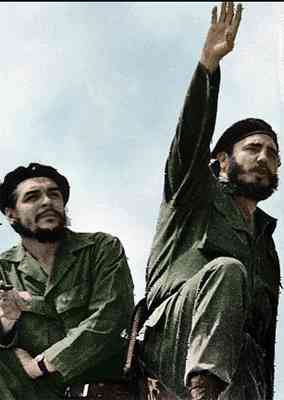
 When we toured it we were deeply impressed and talked with many compañeros, the members of the Central Committee about what they were doing in the factory, which is advancing at a rapid pace; what was being done in construction. We realized the great future of this factory as a manufacturer of components, of vanguard technology, which will have a major impact on development and productivity, on the automation of production processes. When we toured your first-rate factory and saw the ideas you had which are being put into practice, we realized it would become a huge complex of many thousands of workers, the pride of the province and the pride of the country. In the next five years, more than 100-million pesos will be invested in it to make it a real giant. When we learned that the workers wanted to name it after Che because he was so concerned with electronics, computers and mathematics, the leadership of our party decided that this was where the ceremony marking the twentieth anniversary of Che’s death should be held, and that factory should be given the glorious and beloved name of Ernesto Che Guevara.
Note per lo studio dell’ideologia della Rivoluzione Cubana
 Qualcuno ha creduto di notare che questa singolare Rivoluzione non aderisce a una delle premesse fondamentali dell’ortodossia del Movimento rivoluzionario, che Lenin ha così espresso: «Senza teoria rivoluzionaria non vi è Movimento rivoluzionario ». Si potrebbe dire che la teoria rivoluzionaria, come espressione di una verità sociale, è al di sopra di qualsiasi enunciato; vale a dire che si può fare la rivoluzione se si interpreta correttamente la realtà storica e se, altrettanto correttamente, si utilizzano le forze che vi intervengono, anche senza conoscere la teoria. È chiaro che una adeguata conoscenza della teoria semplifica il compito e impedisce di cadere in pericolosi errori: purché però la teoria corrisponda alla verità. Parlando concretamente di questa Rivoluzione, va sottolineato il fatto che í suoi principali protagonisti non erano proprio dei teorici, anche se non ignoravano i grandi fenomeni sociali e l’enunciazione delle leggi che li governano. Questo ha consentito, sulla base di alcune conoscenze teoriche e di una profonda conoscenza della realtà, la nascita graduale di una teoria rivoluzionaria.
Ciò che fin qui è stato detto deve essere considerato come un’introduzione alla spiegazione di quello strano fenomeno che ancora desta la meraviglia di tutto il mondo: la Rivoluzione cubana. Come e perché un gruppo di uomini fatto a pezzi da un esercito enormemente superiore per tecnica ed equipaggiamento sia riuscito prima a sopravvivere, poi a rafforzarsi, poi ancora a diventare più forte del nemico nelle zone di battaglia e a spostarsi verso nuove zone di combattimento per sconfiggerlo finalmente in battaglie campali, malgrado la propria inferiorità numerica, è un fatto degno di studio nella storia del do contemporaneo. Naturalmente, noi che spesso mostriamo una scarsa preoccupazione per la teoria, non intendiamo oggi esporre, come se fossimo padroni, la verità della Rivoluzione cubana, ma semplicemente cerchiamo di gettare le basi indispensabili per la comprensione di questa verità. Di fatto, bisogna distinguere fasi assolutamente diverse nella Rivoluzione cubana: quella dell’azione armata fino ai primi di gennaio del 1959; la trasformazione politica, economica e sociale da quel momento in poi. Queste due fasi andrebbero ulteriormente suddivise. Noi però non le considereremo dal punto di vista dell’esposizione storica, bensì da quello dell’evoluzione del pensiero rivoluzionario dei dirigenti attraverso il contatto col popolo.
Incidentalmente, bisogna accennare qui a un atteggiamento generale di fronte a uno dei termini più controversi del mondo attuale: il marxismo. La nostra posizione, quando ci viene chiesto se siamo o no marxisti, è quella che adotterebbe un fisico o un biologo a cui si chiedesse se è «newtoniano» o «pasteuriano». Esistono delle verità così evidenti, così legate alla conoscenza dei popoli, che è inutile discuterle. Si deve essere marxista con la stessa naturalezza con cui si è «newtoniano » in fisica o « pasteuriano » in biologia, considerando che se nuovi fatti determinano nuovi concetti, ciò non priverà mai della loro parte di verità quelli che sono stati superati. Questo è il caso, per esempio, della relatività «einsteniana» o della teoria dei «quanti» di Planck rispetto alle scoperte di Newton; esse non tolgono assolutamente niente alla grandezza dello scienziato inglese: è stato grazie a Newton se la fisica ha potuto progredire fino a raggiungere i nuovi concetti dello spazio. Lo scienziato inglese rappresenta il passaggio necessario per questo ulteriore sviluppo.
A Marx, come pensatore, come studioso delle dottrine sociali e del sistema capitalista in cui si trovò a vivere, si possono evidentemente obiettare alcune inesattezze. Noi latino-americani possiamo, per esempio, non essere d’accordo con
la sua interpretazione di Bolívar, o con l’analisi che lui ed Engels fecero dei messicani, dando per scontate certe teorie sulla razza o sulla nazionalità che sono oggi inammissibili. Ma i grandi uomini, scopritori di verità luminose, vivono malgrado le loro piccole pecche ed esse servono soltanto a dimostrarci che erano umani, cioè esseri che possono incorrere in errori, senza che questo ci tolga la chiara coscienza del livello raggiunto da quei giganti del pensiero. Ed è per questo che riconosciamo che le verità essenziali del marxismo fanno parte integrante dell’insieme culturale e scientifico dei popoli e le accettiamo con naturalezza, come qualcosa che non ha più bisogno di essere messo in discussione. I progressi nella scienza sociale e politica, come in altri campi, appartengono a un lungo processo storico i cui anelli si saldano, si sommano, si uniscono e si perfezionano costantemente. Originariamente, esisteva una matematica cinese, una araba, unaindù; oggi la matematica non ha frontiere. Nella sua storia è possibile un Pitagora greco, un Galileo italiano, un Newton inglese, un Gauss tedesco, un Lobacevskij russo, un Einstein ecc. Così nel campo delle scienze sociali e politiche, da Democrito fino a Marx, una lunga serie di pensatori accumularono le proprie ricerche originali formando un corpo di esperienze e di dottrine.
Il merito di Marx risiede nell’avere prodotto di colpo nella storia del pensiero sociale un cambiamento qualitativo. Non solo egli interpreta la storia, ne comprende la dinamica e ne prevede il futuro sviluppo ma, oltre a questo, che segnerebbe il limite del suo dovere scientifico, esprime un concetto rivoluzionario: non basta interpretare la natura bisogna trasformarla. L’uomo cessa di essere schiavo e strumento del mezzo e diventa l’architetto del proprio destino. Da questo momento, Marx comincia a trovarsi in una situazione tale da costituire il bersaglio obbligato di quanti hanno uno speciale interesse a conservare il vecchio, come prima era successo a Democrito, la cui opera fu bruciata da Platone e dai suoi discepoli, ideologi dell’aristocrazia schiavista ateniese. A partire da Marx rivoluzionario, si crea un gruppo politico con idee concrete che, appoggiandosi ai giganti Marx ed Engels e sviluppandosi attraverso tappe successive, con personalità come Lenin, Stalin, Mao Tse-tung e i nuovi governanti sovietici e cinesi, costituiscono un corpo di dottrina e, diciamo, un esempio da seguire.
La Rivoluzione cubana ha inizio là dove Marx lascia la scienza per impugnare il fucile rivoluzionario, e non certo con l’intento di « rivedere » Marx, di opporsi a quanto è seguito a Marx, di rivivere Marx « puro », ma semplicemente perché fino a quel punto Marx, lo studioso collocato fuori della storia, studiava e vaticinava. Dopo, Marx rivoluzionario dentro la storia, pratico. Iniziando la nostra lotta, abbiamo realizzato semplicemente leggi previste dal Marx studioso e, per questa strada di ribellione, lottando contro le vecchie strutture del potere, appoggiandosi al popolo per distruggere queste strutture e avendo come base della nostra lotta la felicità del popolo, non facciamo altro che confermare le previsioni di Marx teorico. Vale a dire, conviene precisarlo ancora una volta, le leggi del marxismo sono presenti negli eventi della Rivoluzione cubana, indipendentemente dal fatto che i suoi leader professino o conoscano interamente, da un punto di vista teorico, queste leggi. Per prima cosa bisognerebbe suddividere la Rivoluzione nelle seguenti fasi: prima dello sbarco del Granma; dallo sbarco fino a dopo le vittorie di La Plata e Arroyo del Infierno; da queste date fino all’Uvero e alla costituzione della seconda colonna guerrigliera; e da qui fino alla costituzione della terza e quarta, l’invasione fino a Sierra de Cristal e la creazione del secondo fronte; lo sciopero di aprile e il suo fallimento; l’arresto della grande offensiva; l’invasione in
direzione di Las Villas. Ognuno di questi piccoli momenti storici della guerriglia implica diversi concetti sociali e diverse valutazioni della realta` cubana attraverso i quali si preciso` il pensiero dei leaders militari della Rivoluzione, i quali, col tempo, avrebbero riaffermato anche la loro qualita` di leaders politici.
Prima dello sbarco del «Granma,» ci fu una cieca fiducia in una rapida esplosione popolare, entusiasmo e fede nella possibilita` di liquidare il potere batistiano per mezzo di una rapida sollevazione abbinata agli scioperi rivoluzionari spontanei con la susseguente caduta del dittatore1. Il movimento era l’erede diretto del Partito Ortodosso e il suo motto principale era l’onesta` amministrativa come base del nuovo governo cubano.
Fidel Castro, tuttavia, aveva indicato in La Storia mi assolvera`2, le basi che sono state quasi interamente edificate dalla Rivoluzione, ma che sono state anche superate, procedendo verso un maggiore approfondimento nel campo economico; fatto, questo, che ha portato a un maggiore approfondimento nel campo politico, nazionale e internazionale. Dopo lo sbarco viene la disfatta, la distruzione quasi totale delle forze, il loro raggruppamento e la loro integrazione nella guerriglia. Il piccolo numero di superstiti – superstiti decisi a lottare – gia` si caratterizza per la comprensione della erroneita` dello schema immaginato rispetto ai moti spontanei di tutta l’Isola, e per la convinzione che la lotta sara` lunga e dovra` contare su una grande partecipazione contadina. Qui si verificano anche le prime adesioni dei contadini alla guerriglia e si hanno due scontri, di poca importanza quanto a numero di combattenti, ma di grande importanza psicologica per il fatto che eliminarono la diffidenza del gruppo centrale della guerriglia (costituito da elementi provenienti dalla citta`) nei riguardi dei contadini.
Questi, a loro volta, diffidavano del gruppo e temevano soprattutto le barbare rappresaglie del governo. In questa fase si chiarirono due cose, entrambe molto importanti per fattori interdipendenti: i contadini videro che le persecuzioni e l’ostilita` dell’esercito non sarebbero state sufficienti a distruggere le loro case, i loro raccolti, i loro familiari, per cui consideravano una buona soluzione quella di rifugiarsi in seno all’organizzazione che garantiva loro la sicurezza della vita; i guerriglieri dal canto loro capirono che era necessario conquistarsi le masse contadine e che per ottenere cio` occorreva offrire loro quel che desideravano con tutte le forze; e non c’e` cosa che un contadino ami di piu` della terra.
Segue una fase nomade durante la quale l’Esercito ribelle conquista via via zone d’influenza. Ancora non puo` restarvi per molto tempo, ma neanche l’esercito nemico puo` farlo. Attraverso numerosi combattimenti si va stabilendo fra le due parti una specie di fronte non molto ben delineato. Il 28 maggio del 1957 stabilisce un punto fermo, con l’attacco nell’Uvero a una guarnigione bene armata, abbastanza ben trincerata con la possibilita` di ricevere rapidamente rinforzi; vicino al mare e con un aeroporto. La vittoria delle forze ribelli in questo combattimento uno dei piu` sanguinosi, visto che il 30% delle forze che vi parteciparono rimase fuori combattimento – fece cambiare totalmente il panorama; c’era un territorio nel quale l’Esercito ribelle si muoveva a proprio agio, da dove non filtravano verso il nemico notizie che avrebbero potuto essergli utili e da dove si poteva, con rapidi colpi di mano, discendere fino alle pianure e attaccare le posizioni avversarie.
Poco dopo si produsse la prima suddivisione con la creazione di due colonne combattenti. La seconda, per ragioni di mimetismo alquanto infantili, porta il nome di quarta colonna. Esse danno immediatamente prova della loro attivita` e cosi`, il 26 luglio, viene attaccata Estrada Palma e, cinque giorni dopo, Bueycito, che si trova a circa trenta chilometri. Le manifestazioni diventano importanti, si aspettano a pie` fermo le repressioni, si bloccano vari tentativi nemici di salire alla Sierra e si crea un fronte di lotta con vaste zone di terra di nessuno, violate dalle incursioni punitive di entrambe le parti, ma si mantengono approssimativamente le stesse posizioni. La guerriglia ingrossa via via le proprie file grazie al sostanziale apporto dei contadini della zona e di qualche membro del Movimento nelle citta, diventa piu` combattiva, rafforza il proprio spirito di lotta. Dopo avere respinto alcune offensive, nel febbraio del 1958 la Colonna di Almeida, la 3a e quella di Rau’l Castro che porta il numero 6 e il nome del nostro eroe Frank Pai’s, morto pochi mesi prima – vanno ad occupare la cerchia di Santiago. Rau’l realizza la prodezza di attraversare la Carretera Central nei primi giorni di marzo di quell’anno, internandosi nelle colline di Mayari e creando il Secondo Fronte Orientale Frank Pai’s.
I successi crescenti delle nostre forze ribelli filtravano pian piano attraverso la censura e il popolo stava rapidamente raggiungendo l’acme della sua attivita` rivoluzionaria. Fu in questo momento che venne impostata dall’Avana la lotta su tutto il territorio nazionale, puntando su uno sciopero generale rivoluzionario che doveva distruggere le forze del nemico, attaccandole simultaneamente da tutte le parti. Il ruolo dell’Esercito ribelle sarebbe stato, in questo caso, quello di catalizzatore, o di stimolo, per scatenare il movimento. In quei giorni le forze guerrigliere intensificarono la loro attivita` e Camilo Cienfuegos comincio` a creare la propria leggenda eroica lottando per la prima volta sulle pianure orientali con senso organizzativo e uniformandosi a una direzione centrale.
Lo sciopero rivoluzionario, pero`, non era stato adeguatamente preparato, dato che non si conosceva l’importanza dell’unita` operaia, ne’ si cerco` di fare in modo che i lavoratori, nell’esercizio stesso della loro attivita` rivoluzionaria, scegliessero il momento opportuno. Si pretese di fare un colpo di mano clandestino, incitando il popolo a scioperare per mezzo di una radio, senza accorgersi che il segreto del giorno e dell’ora era arrivato fino agli sbirri. Il tentato sciopero falli`, e un considerevole e scelto numero di patrioti rivoluzionari fu assassinato senza pieta.
Un fatto curioso che un giorno dovra` essere ricordato nella storia di questa rivoluzione: Jules Dubois, il ruffiano dei monopoli americani, conosceva anticipatamente il giorno in cui si sarebbe scatenato lo sciopero. In questo momento si produce uno dei cambiamenti qualitativi piu` importanti nello sviluppo della guerra: l’acquisizione della certezza che la vittoria sarebbe stata raggiunta soltanto con l’aumento graduale delle forze guerrigliere, fino a sconfiggere il nemico in battaglie campali.
Gia` da allora si stabilirono ampie relazioni con i contadini; l’Esercito Ribelle detta i suoi codici penali e civili, amministra la giustizia, distribuisce gli alimenti e riscuote le imposte nelle zone amministrative. Anche le zone confinanti subiscono l’influenza dell’Esercito Ribelle; si preparano grandi offensive le quali, in due mesi di lotta, danno un totale di mille morti per l’esercito invasore, interamente demoralizzato, e un aumento di seicento armi per la nostra capacita` combattiva. E` chiaro, ormai, che l’esercito non puo` sconfiggerci; non c’e` forza, a Cuba, capace di piegare i picchi della Sierra Maestra e tutte le colline del Secondo Fronte Orientale Frank Pai’s; a Oriente, le strade diventano intransitabili per le truppe della tirannide.
Respinta l’offensiva, si da` incarico a Camilo Cienfuegos, con la Colonna N. 2, e all’autore di queste pagine, con la Colonna N. 8 «Ciro Redondo,» di attraversare la provincia di Camaguey, stabilirsi a Las Villas e tagliare le comunicazioni del nemico. Camilo imito` poi le gesta dell’eroe del cui nome, «Antonio Maceo,» si fregia la sua colonna: l’invasione totale da Oriente fino a Occidente. La guerra mostra ora una nuova caratteristica; l’insieme delle forze converge verso la Rivoluzione, due piccole colonne di ottanta e centoquaranta uomini, attraverseranno in un mese e mezzo le pianure di Camaguey, costantemente accerchiate o minacciate da un esercito composto di migliaia di soldati, arriveranno fino a Las Villas e daranno inizio al compito di tagliare in due l’Isola.
A volte risulta strano, altre volte incomprensibile e, altre ancora, incredibile, che due colonne cosi` piccole possano battersi senza comunicazioni, senza mobilita`, senza le piu` elementari armi della guerra moderna, contro un esercito ben addestrato e, soprattutto, bene armato. La cosa fondamentale e` la caratteristica di ogni gruppo; quanto piu` scomoda e` la sua condizione, quanto piu` e` esposto ai rigori della natura, tanto piu` il guerrigliero si sente a casa propria, tanto piu` alto e` il suo morale, tanto piu` grande e` il suo senso di sicurezza. Al tempo stesso, in qualsiasi circostanza sia venuto a giocare la propria vita, poco importa che il guerrigliero esca vivo o morto dalla lotta.
Il soldato nemico, nel caso di Cuba, e` un alleato minore del dittatore, l’uomo che riceve l’ultima briciola di pane dall’ultimo dei profittatori: una lunga catena che incomincia a Wall Strett e finisce in lui. E` disposto a difendere i propri privilegi, ma e` disposto a farlo nella misura in cui questi siano importanti.
I suoi stipendi e le sue prebende valgono qualche sofferenza e qualche pericolo, mai la vita. Se il prezzo da pagare per conservarli deve essere quest’ultima, e` meglio perderli, e cioe` piegarsi di fronte alla guerriglia. Da questi due concetti e da queste due morali sorge la differenza che doveva creare la crisi del 31 dicembre del 1958.
La superiorita` dell’Esercito ribelle si afferma con sempre maggiore chiarezza e con l’arrivo in Las Villas delle nostre colonne; si rivela inoltre la maggior popolarita` del Movimento del 26 luglio su tutti gli altri: Direttorio rivoluzionario, il Secondo fronte di Las Villas, il Partito socialista popolare e alcune piccole formazioni di guerriglia de L’Organizzazione autentica. A questo risultato si era giunti soprattutto grazie alla personalita` magnetica di un leader come Fidel Castro, ma grazie anche alla superiorita` della sua linea rivoluzionaria.
Qui ha fine l’insurrezione, ma gli uomini che arrivano all’Avana dopo due anni di ardente lotta sulle Sierre e nelle pianure di Oriente, nelle pianure di Camaguey e sulle montagne, nelle pianure e nelle citta` di Las Villas, sono ideologicamente diversi da quelli che arrivarono alle spiagge di Las Coloradas, o che si riunirono nel primo momento della lotta. La loro sfiducia nei contadini si e` tramutata in affetto e rispetto per le loro virtu`; la loro totale ignoranza della vita nei campi si e` tramutata in una profonda conoscenza delle necessita` dei guajiros; le loro «civetterie» statistiche e teoriche hanno subi`to la prova della pratica.
Con la riforma agraria come bandiera, la cui realizzazione inizia nella Sierra Maestra, questi uomini arrivano a trovarsi di fronte l’imperialismo; sanno che la riforma agraria e` la base sulla quale dovra` essere edificata la nuova Cuba; sanno anche che la riforma agraria dara` la terra a tutti i diseredati, ma ne privera` coloro che la detengono ingiustamente; e sanno che i piu` potenti tra coloro che la detengono ingiustamente sono anche uomini influenti al Dipartimento di Stato o al Governo degli Stati Uniti d’America; ma hanno imparato a vincere le difficolta` con il coraggio, con l’astuzia e, soprattutto, con l’appoggio del popolo, e hanno gia` intravisto il futuro di liberta` che ci attende al di la` delle sofferenze.
Questa idea finale dei nostri obbiettivi e` stata raggiunta dopo molto cammino e molti cambiamenti. Ai successivi cambiamenti qualitativi verificatisi sui fronti di battaglia si sono accompagnati i cambiamenti nella compagine sociale della nostra guerriglia nonche’ le trasformazioni ideologiche dei capi. Perche’ ognuno di questi processi, di questi cambiamenti, costituisce effettivamente un cambiamento di qualita` nella composizione, nella forza, nella maturita` rivoluzionaria del nostro esercito. Il contadino gli dona il suo vigore, la sua capacita` di sofferenza, la sua conoscenza del terreno, il suo amore per la terra, la sua fame di riforma agraria. L’intellettuale, di qualsiasi tipo, offre il suo piccolo granello di sabbia cominciando a fare un abbozzo di teoria. L’operaio da` il suo senso dell’organizzazione, la sua tendenza innata alla riunione e alla unificazione. E al disopra di tutte queste cose, l’esempio delle forze ribelli la cui lezione infiammo` e sollevo` le masse fino al punto di togliere loro la paura del boia.
Mai prima d’ora e` stato per noi cosi` chiaro il concetto di interazione: questa interazione che andava maturando e dimostrando l’efficacia dell’insurrezione armata, la forza che l’uomo possiede quando, per difendersi da un altro uomo, ha un’arma in mano e la sicurezza di vincere nello sguardo, e i contadini svelavano le insidie della Sierra, la forza che e` necessaria per vivere e trionfare in essa e le dosi di fermezza, di capacita`, di sacrificio che bisogna avere per poter portare avanti il destino di un popolo.
Per questo, quando bagnati di sudore contadino con un orizzonte di montagne e di nubi, sotto il sole raggiante dell’Isola, il capo ribelle ed il suo corteo entrarono all’Avana, «la storia saliva con i piedi del popolo una nuova scalinata del Giardino d’Inverno».
Politik Egemenlik ve Ekonomik Bağımsızlık
Sözlerime başlarken tüm Kübalı izleyicilerimi selamlamayı görev bilirim. Ayrıca, doğrudan doğruya işçi ve köylülerimize ulaşan bu tür bir halk eğitimi programının önemini de yoldaşlarımıza hatırlatmak isterim. Amacımız, devrimci gerçeği, özellikle bu gerçeği çarpıtmak için uydurulmuş bir dilin bütün yapaylığından arındırarak dinleyicilerimize sunmaktır.
Bu konferans dizisini başlatmak bana onur veriyor. Önce, yoldaşımız Raul Castro’nun bu görevi üstlenmesi düşünülmüştü, ancak ekonomik konular ele alındığı için, Raul ilk konuşmayı benim yapmamı istedi. Devrimin askerleri olarak, göreve çağrıldığımızda, bizden istenen çalışmaları derhal yapıyoruz. Bu nedenle, sık sık, ideal bir eğitim almadığımız konulara da el atmak zorunda kalıyoruz. Bu kez de böyle oldu: Politik egemenlik ve ekonomik bağımsızlık konusunun taşıdığı büyük önemi basit kelimelerle, herkesin anlayabileceği biçimde açıklamaya çalışacağım. Bu iki terimin birbirine sıkı sıkıya bağlı olduğunu da belirtmeliyim. Bu iki büyük amaçtan biri diğerinden önce gelebilir -Küba’da bir zamanlar görüldüğü gibi- ama zorunlu olarak bu iki kavram ayrılmazdır ve kısa bir süre içinde birleşirler. Bazı hallerde bu birleşme olumlu biçimde gerçekleşir, politik bağımsızlığını kazanan ve ardından hemen ekonomik bağımsızlığını elde etmek için mücadeleye atılan Küba örneğindeki gibi. Bazen de, politik bağımsızlığa erişmekle ya da bu amaca yönelmekle birlikte, ekonomik bağımsızlıklarını güvence altına alamadıklarından politik bağımsızlıklarının da zayıflamasına, sonunda tümüyle yitip gitmesine yolaçan ülkelerde olduğu gibi sonuç olumsuzdur. Şimdiki devrimci görevimiz, yalnızca tehditlerle dolu bugünümüzü değil, geleceğimizi de düşünmektir.
Günümüzün parolası planlamadır. Küba’da, gelecek yıllarda ortaya çıkacak tüm sorunların çözümü bilinçli ve akılcı biçimde programlanmalıdır. Yalnızca, hemen şimdi, ya da az bir süre sonra uğrayacağımız bir saldırıya karşılık vermeyi veya karşı saldırıya geçmeyi düşünmekle yetinemeyiz. Geleceği önceden görmemizi sağlayacak tam bir plan hazırlamak için sürekli çaba harcamalıyız. Devrimin adamları geleceklerine doğru bilinçli adımlarla ilerlemelidir, fakat, devrimin adamlarının bunu yapması yetmez, tümüyle Küba halkının, tüm devrimci ilkeleri tam anlamıyla anlaması ve bazılarının kuşkuyla baktığı bugünlerin ötesinde, mutlu ve şanlı yarınların bizi beklediğini bilmesi gerekir. Gerçekte, Amerika’da özgürlüğün temel taşını biz koyduk, böyle bir programın önemi bundandır, bir mesajı olan herkes bunu bildirmelidir. Yeni birşey değil bu: Başbakanımız kameraların önünde göründüğünde, ancak onun gibi büyük bir eğitimcinin verebileceği şahane dersler veriyor. Eğitim programımızı da planladık, ayrı ayrı özel konular biçiminde sunmak istiyoruz. Yalnızca röportajlarda sorulacak sorulara cevap vermekle yetinmeyeceğiz. Şimdi, daha önce de belirttiğim gibi, bugünkü konumuz olan politik egemenlik ve ekonomik bağımsızlığa gelelim.
Sürekli birlikte olması gereken bu iki terimin, bu iki kavramın gerçeğe dönüşmesi için devrimin şu sıralar harcadığı çabalardan sözetmeden önce, bunları sizin için tanımlamamız ve açıklamamız gerekir. Tanımlar hiçbir zaman doyurucu değildir, terimleri dondurur ve cansızlaştırırlar, yine de bu ikiz terimler konusunda sizlere genel bir görüş kazandırmalıyız. Bazıları egemenliğin ne olduğunu anlamıyor (ya da anlamak istemiyor, o da aynı kapıya çıkar) ve ülkemiz benim de katılma onuruna eriştiğim, Sovyetler Birliği’yle imzalanan ticaret anlaşması gibi bir anlaşma imzalayıp onlardan kredi aldığında deliye dönüyorlar. Egemenlik mücadelesinin Latin-Amerika tarihinde öncüleri vardır. Daha iki gün önce, Meksika’da petrol şirketlerinin[2] General Lazano Cardenas hükümeti zamanında kamulaştırılmasının yıldönümüydü. Biz gençler, o sıralarda çocuktuk; yirmi yıldan fazla zaman geçti aradan. Olayın, o günün koşullarında, Amerika’da yarattığı şoku tam anlamıyla hatırlayamıyoruz. Ama, ne olursa olsun, suçlamalar şu anda Küba’ya ve daha yakın bir geçmişte Guatemala’ya yöneltilenlerin, bir de kişi olarak benim yaşadıklarımın aynıydı. Gelecekte, özgürlük yolunda, sağlam adımlarla ilerlemeye karar verecek olan tüm uluslar aynı suçlamalara uğrayacaklardır. Şu an, hiç abartmasız şunu öne sürebiliriz: Lider bir ülkenin önemini ve dürüstlüğünü belirleyen, Amerika Birleşik Devletleri’nin büyük iş adamları, büyük basın organları, köşe yazarları ve diğer sözcüleridir, yalnız, söylediklerini tersine çevirmek koşuluyla. Bir lidere, ne denli saldırılıyorsa, o denli iyi ve o denli doğru yolda demektir. Bugün biz, en çok saldırılan ülke ve hükümet olma ayrıcalığına sahibiz. Yalnızca şu an için de değil, tüm Latin-Amerika tarihi gözönüne getirilirse, ne Guatemala, ne de 1938 yada 1936’da General Cardenas kamulaştırmayı emrettiğinde Meksika bizim kadar saldırıya uğramıştır. O zamanlarda, petrol Meksika’nın hayatında çok önemli bir rol oynuyordu. Bizim içinse şeker aynı derecede önemlidir: Tek pazara sunulan tek cins ürün olması sözkonusudur.
Gericiliğin sözcüleri «şeker olmazsa ülke batar» diye avaz avaz bağırıyor. Bu pazar artık şekerimizi satın almazsa ülkenin iflasına kesin gözüyle bakıyorlar. Sanki şekerimizi satın alanların biricik isteği bize yardım etmekmiş gibi. Yüzyıllar boyunca, politik iktidar önce köle sahiplerinin, daha sonra feodal derebeylerinin elinde kaldı; bunlar, düşmanlarına, kendilerine başkaldıranlara ve ezilenlere karşı savaşlarını kolaylaştırmak için gücü, içlerinden birine, onları birleştiren birine, en kararlı, belki de en zalim olana devrediyorlardı. Bu kişi kral, ülke yöneticisi oluyor, despot kesiliyor, tarih dönemleri boyunca, baskısını yavaş yavaş arttırarak, iradesini mutlak kılana dek, zorla kabul ettirmeyi sürdürüyordu.
Elbette, burada insanlığın tüm tarihini anlatacak değiliz. Hem, kralların zamanı geçti artık. Avrupa’da birkaç örneği kaldı yalnız. Fulgencio Batista hiçbir zaman kendisine I. Fulgencio dedirtmek istememiştir. Birkaç güçlü komşusunun onu başkan olarak tanıması, ordusundaki subayların ona saygı duyması yeterliydi. Böylelikle fiziksel iktidarın, maddi gücün, ölüm aygıtının sahipleri onun buyruğu altına giriyor, içlerinden en güçlüsü, en zalimi ve yabancı dostlarınca en iyi korunanı olduğundan onu destekliyor ve karşısında boyun eğiyorlardı. Bugün taçsız krallar var, tekeller bunlar, tüm ülkelerin, bazan da tüm kıtaların gerçek efendileri. Afrika’nın, Asya’nın büyük bir kısmının ve ne yazık ki Latin Amerika’mızın durumu böyle. Bir zamanlar, tüm dünyayı bile ele geçirmeyi denediler. Bunun en çarpıcı örneği, büyük Alman tekellerinin temsilcisi Hitler’in, ırk üstünlüğü savını dünyaya 40 milyon cana kıyan bir savaşın zoruyla kabul ettirmeye kalkışmasıdır.
Tekellerin önemi çok büyüktür, öylesine büyüktür ki, cumhuriyetlerimizden bir çoğundaki politik iktidarı ortadan kaldırabilir. Birkaç yıl önce Papini’nin bir denemesini okumuştum. Öykünün kahramanı Gog bir cumhuriyet satınalır ve bu ülkenin cumhurbaşkanlarına, meclislere, ordulara sahip olduğunu sandığını, bu yüzden de kendini egemen saydığını, oysaki aslında satılmış olduğunu söyler.[3] Bu karikatür gerçeğe uyuyor. Bazı cumhuriyetler zorunlu olan tüm biçimsel nitelikleri taşımakla birlikte, aslında gücü herşeye yeten, nefret edilen avukat sahibi şimdi ölmüş olan United Fruit Company’nin. .??) iradesine bağımlıdırlar. Daha başkaları Standard Oil ya da diğer petrol tekellerine bağlı, yahut da kalay krallarının, kahve tüccarlarının kontrolü altındadır. Bunlar Afrika ve Asya’nın sözünü etmeksizin kıtamızdan verdiğimiz bazı örneklerdir.
Başka bir deyişle, politik egemenlik yalnızca biçimsel tanımlamalarla açıklanamayacak bir kavramdır. Derinlere inmeli, kökenleri araştırmalıyız. Tüm dünyada ders kitapları, yasalar ve politikacılar, ulusal politik egemenliğin, çağdaş egemen devlet kavramından ayrı düşünülemeyeceğini öne sürerler. Bu böyle olmasaydı, bazı güçler sömürgelerini özgür ortak devletler diye nitelendirmez, sömürgeciliği başka terimler altında gizlemeye çabalamazlardı.[4]
Her ulusun egemenlikten az ya da çok yararlanacağını, tümden yararlanacağını, ya da hiç yararlanmayacağını belirleyen rejim biçimine bu uluslar kendileri karar verirler. Fakat, ulusal egemenlik herşeyden önce bir ülkenin iç işlerine kimseyi karıştırmama hakkı, bir halkın kendisine en uygun hükümet biçimini ve hayat tarzını seçme hakkıdır. Bu, ulusun iradesine bağlıdır ve bir hükümetin kalmasına ya da gitmesine ancak bu ulus karar verebilmelidir. Fakat tüm bu politik egemenlik, ulusal egemenlik ilkesi, ekonomik bağımsızlıkla birlikte ele alınmazlarsa boş laflar olmaktan ileri gidemezler.
Konuşmamızın başında politik egemenlikle ekonomik bağımsızlığın birbirinden ayrılmaz olduğunu sôylemiştik. Bir ülkenin kendi ekonomisi yoksa, yabancı sermaye buraya sokuluyorsa, o ülke bağımlı olduğu gücün koruyuculuğundan kurtulamaz. Hele kendisine ekonomik açıdan egemen olan ülkeyle çıkar çelişkisine düşerse iradesini hiç kabul ettiremez. Bu düşünce, henüz Küba halkı için kesinlikle açıklığa kavuşmuş değildir, daha ısrarla üstünde durmalıyız bu konunun. Ocak 1959’da temeli atılan politik egemenlik, ancak tam ekonomik bağımsızlığa kavuştuğumuzda güçlenecektir. Her gün ekonomik bağımsızlığımız için yeni önlemler alırsak doğru yolda olduğumuzu söyleyebiliriz. Eğer hükümetin önlemleri bu ilerlemeyi durdurur ya da bir adım geri çekilmemize neden olursa herşey mahvolur, yine, kaçınılmaz olarak, her ülkenin ve her toplumsal yapının niteliklerine göre az çok gizlenmiş sömürge sistemlerinden birinin parçası olmaya doğru gerisin geriye yol almaya başlarız.
Bugün, bu kavramları anlamak çok önemlidir. Salt kaba kuvvetle bir ülkenin politik egemenliğini boğmak çok güçleşti. En yeni iki örnek, İngiliz ve Fransız sömürgecilerinin Mısır’da Port-Said’e acımasızca ve alçakça saldırmaları, bir de ABD’nin Lübnan’a asker çıkartmasıdır.[5] Fakat deniz erleri artık eskisi gibi hiçbir zarara uğramaksızın başka ülkelere gönderilemiyor ve bazı büyük tekellerin çıkarları sarsıldı diye bir ülkeyi işgal etmektense yalan ağları örmek çok daha kolaydır. Birleşmiş Milletler’in varolduğu, halkların seslerini duyurmak, oylarını kullanmak istediği günümüz koşullarında, egemenliğinden yararlanma hakkını isteyen bir ülkeyi istila etmek çok zorlaşmıştır. İlgili ülkedeki ve tüm dünyadaki kamuoyunu susturmak da kolay iş değildir. Ortam hazırlamak ve müdahaleyi iğrenç görünümünden kurtarmak için çok büyük bir propaganda çabasına girişmek gerekmektedir.
İşte bize yapılmaya çalışılan da kesinlikle budur. Küba’yı bağımlı kılmak için herşeyin yapıldığını ve bunu önleme görevinin de bize düştüğünü her fırsatta ısrarla belirtmeliyiz. Bize ekonomik bakımdan istedikleri kadar saldırsınlar, biz de bilincimizi öylesine sağlamlaştırmalıyız ki maddi yönden tekelciler bize kendi ülkelerinin askerleri ya da başka ülkelerden kiraladıkları askerlerle saldırdıklarında ödeyecekleri bedel, onları bu işe kalkışmaktan onları caydıracak kadar yüksek olsun. Bu ülkedeki devrimi gerekirse kanlı biçimde ezmeye hazırlanıyorlar, tek sebep de ülkemizi tam özgürlüğe kavuşturacak ve ekonomik özgürlüğümüzü politik özgürlüğümüze ve bugün eriştiğimiz politik olgunluğa yaraşır düzeye yükseltecek örnek önlemler alarak ekonomik özgürlük yolunda ilerlememizdir.
Siyasi iktidarı ele geçirdik. Halkın sımsıkı elinde tuttuğu bu iktidarla kurtuluş mücadelemizi başlattık. Halkın çıkar ve özlemlerine cevap veren bir iktidar olmaksızın egemenlik hayal bile edilemez. Halk iktidarı, yalnızca bakanlar kurulu, polis örgütü, mahkemeler ve tüm hükümet organlarının halkın elinde bulunması anlamına gelmez, ekonomik kuruluşlar da halkın eline geçmelidir. Devrimci iktidar ya da politik egemenlik, ulusal egemenliğin tam anlamıyla gerçekleşmesi için ekonominin fethedilmesini sağlayacak araçtır. Küba için konuşacak olursak, bunun anlamı, Küba’da, her bakımdan yalnızca Kübalıların sözünün geçtiği, yani politikadan tutun da toprağımızın zenginliklerinin ve endüstrimizin mülkiyetine varana kadar her konuda ancak ve ancak Kübalıların sözsahibi olmasını sağlamak için devrimci hükümetin bir araç olduğudur.
Küba’nın ekonomik açıdan bağımsız olduğuna henüz şehitlerimizin mezarları üzerine yemin edemiyoruz. Amerika Birleşik Devletleri’nde durdurulan bir gemi Küba’da bir fabrikayı felce uğratabildiği, herhangi bir tekelin herhangi bir buyruğunun bir iş merkezindeki çalışmaları durdurabildiği sürece de yemin edemeyeceğiz. Küba tüm olanaklarını seferber ettiğinde, tüm doğal zenginliklerinden yararlanabildiğinde ve tüm dünyayla ticaret anlaşmaları imzalayarak, hayata geçirdiğimiz planlamanın çerçevesi içinde, tüm fabrika ve çiftliklerin üretimi sürdürmesini, üretim temposunun düşmemesini güvence altına aldığında bağımsız olacaktır.
Kesinlikle belirtebileceğimiz gerçek, 1 Ocak 1959’da, devrimimizin zafer gününde, halk iktidarının kurulduğu, atılan bu ilk adımla, Küba’nın ulusal politik egemenliğini elde ettiğidir.
Bugün, giderek Küba tarihinde olağanüstü bir yeni yılın başlaması, yeni bir çağın başlangıcı olarak belirginleşiyor. Bunun yalnız Küba için değil, tüm Latin Amerika için yeni bir çağın başlangıcı olduğuna inanmaktan mutluluk duyuyoruz. Küba için bu 1 Ocak, 26 Temmuz 1953’ün, 12 Ağustos 1933’ün, 24 Şubat 1985’in ve 10 Ekim 1868’in sonucudur.[6] Ama, Latin Amerika için de şanlı bir günün tarihidir bu. Bugün, belki de yukarı Peru’da, Murillo’nun başkaldırdığı 25 Mayıs 1809’un ya da Buenos Aires’de Açık Meclis’in çalışmalara başladığı 25 Mayıs 1810’un, veyahut da, XX. yüzyıl başlarında, Latin Amerika halklarının politik bağımsızlıkları uğruna savaşmaya başladıkları herhangi bir tarihin devamı olabilir.[7]
Küba halkının öylesine yüksek bir bedel karşılığında ulaştığı bugün, bu 1 Ocak, ulusun oluşması için verilen mücadeleden başlayarak; egemenlik için, anayurt için, Küba’nın özgürlüğü ve tam politik ve ekonomik bağımsızlığı uğruna sürdürülen mücadele aşamalarından geçen nice ve nice Kübalı kuşağının savaşlarını özetler. Kimse bugünden kanlı, hatta muhteşem ve belirleyici bir dönemin sonu olarak sözedemez artık. Küba’nın tarihi günüdür bu. O 1 Ocak, Fulgencio Batista’nın, bu yerel Weyler’in[8] despotluk düzeninin ölüm tarihi, siyasi bakımdan özgür ve egemen, en yüce yasa olarak insan onurunu tanıyan gerçek halk cumhuriyetinin doğum tarihidir.
O 1 Ocak, bizden önce gelen tüm şehitlerin, Narciso Lopez, İgnacio Agramonte ve Carlos Manuel de Cespedes’i izleyen José Marti, Antonio Maceo, Maximo Gomez, Calixto Garcia, [Guillermo] Moncada ve Juah Gualberto Gomez’in ve onları izleyen cumhuriyet tarihimizin şehitler takım yıldızının, [Julio Antonio] Mella’ların, [Antonio] Guiteras’ların, Frank Pais’lerin, Jose Antonio Echeverria’ların ve Camilo Cienfuegos’ların zafer günüdür.
Fidel, varlığını tümüyle halkı için savaşmaya adadığı andan beri mambi[9] ordusunun devamı olan Direniş Ordumuzu yaratan, hayranlık verici Küba halkının ortak kahramanlığını mümkün kılan bu tarihin devrimci değerinin yüceliğinin bilincindeydi. Bu nedenle, Fidel, ele alınacak herhangi bir işi, efsanevi Granma çıkartması sırasında hayatta kalan bir avuç kişiyi bekleyen görevle karşılaştırmayı sever. Onlar Granma’dan çıktıklarında, tüm kişisel umutlar geride kalmıştı. Savaş başlamıştı, tüm bir halkın zafere erişmesi ya da yenilmesi sözkonusuydu. Bu nedenle, bu büyük inanç ve Fidel’le halkı arasındaki çok sıkı bağlılık nedeniyle, komutanımız savaşın en güç anlarında bile zayıflık göstermedi, umudunu yitirmedi. Çünkü, mücadelenin Sierra Maestra dağları ile sınırlı olmadığını, yalnız olmadıklarını, Küba’nın her yerinde, bir adam ya da bir kadının onur sancağını yükselttiği her yerde mücadelenin sürdüğünü biliyordu. Fidel savaşın, bugünkü mücadelemiz gibi, tüm Küba halkının zaferini ya da yenilgisini belirleyeceğini biliyordu. Onun ünlü sözünü bilirsiniz. Bugün de aynı kelimelerin üzerinde ısrarla durur: «Ya hep birlikte kurtulacağız, ya da hep birlikte yokolacağız.» Çünkü, Granma çıkartmasını izleyen günlerde engellerin aşılması zordu. Fakat bugün savaşçılarımız birlerle, onlarla değil, milyonlarla sayılır. Tüm Küba özgürlük için, anayurdun geleceği ve onuru için savaşılacak bir Sierra Maestra’ya dönüşmüştür. Aynı zamanda tüm Latin Amerika için savaşıyoruz, çünkü ne yazık ki, ülkelerimiz arasında yalnız Küba her an savaşmaya hazır durumda.
Küba’nın savaşı tüm Latin Amerika’nın savaşıdır. Bir anlamda tüm kıta açısından belirleyici değildir bu savaş. Küba savaşta yenik düşse, Latin Amerika yenilmiş sayılmaz. Ama Küba savaşı kazanırsa Latin Amerika zafer kazanmış demektir. Adamızın önemi bundan ileri gelir, bu «kötü örneği» ortadan kaldırmak istemeleri bundandır. l956’da, stratejik hedef, yani savaşımızın genel amacı, Batista diktatörlüğünü devirmek, başka bir deyişle, yabancı tekellerin ayakları altında çiğnediği demokrasi ilkelerini geri getirmek, ülkemizin bağımsızlığını ve egemenliğini sağlamaktı. 10 Mart l952[10] gününden başlayarak tüm Küba bir kışlaya dönüştürüldü, bizim şimdi yeniden halka devrettiklerimize benzer bir kışlaya.[11] 10 Mart bir insanın değil, bir tabakanın, bir grubun, içlerinden en hırslısı, en gözünü budaktan sakınmayanı olan tarihimizin I. Fulgencio’sunun komutası altındaki bir takım ayrıcalıklı kişilerin eseriydi. Bu tabaka, ülkemizin gerici sınıfının, büyük toprak sahiplerinin, asalak sermayedarların çıkarlarını savunuyordu ve yabancı sermayeye göbek bağıyla bağlıydı. Oldukça kalabalıktılar, sonra da sihirli değnekle dokunulmuş gibi kaybolup gitti bu yaratıklar; satılık ucuz politikacılardan başkanlık sarayının koridorlarını arşınlayan gazetecilere, grev kırıcılardan, kumar ve fuhuş prenslerine varıncaya kadar her türlüsü vardı aralarında.
Devrimin o andaki temel stratejik hedefine 1 Ocak’ta erişildi. Aşağı yukarı yedi yıldan beri Küba’yı kana boğan zorbalık düzeni alaşağı edildi. Fakat, bilinçli bir devrim olan devrimimiz politik egemenlikle ekonomik bağımsızlığın birbirinden ayrılmaz olduğunu bilir.
Devrimimiz, 1930’lu yıllardaki yanlışları yinelemek istemiyor. Bir adamın, belirli bir sınıfın ya da kurulu düzenin temsilcisi olduğu, tüm kurulu düzen yıkılmadıkça, halk düşmanlarının yeni bir adam ortaya çıkaracağı düşünülmeden defedilmesi birşeyi değiştirmez.[12] Devrim Küba’yı saran hastalığı kökünden söküp atmalıdır. Marti’ye öykünerek, onun söylediği gibi, radikal, köklere kadar inen anlamına gelir diye tekrarlamalıyız. Kökten olmayan ve insanların güvenliğine, mutluluğuna hizmet etmeyen şeylere radikal denemez. Fidel yeni bir tanım getirmiştir: «Bu devrimin amacı haksızlıkları kökünden koparıp atmaktır.» Marti’ninkinden farklı kelimelerle söylendiği halde aynı anlama gelir. Bir kez genel stratejik hedefe ulaşıldıktan, despotluk düzeni devrilip halktan doğan, halka karşı sorumlu ve silahlı kolu bundan böyle halk ordusu olan devrimci iktidar kurulduktan sonra, bu iktidarın önündeki stratejik hedef, ekonomik bağımsızlığı elde etmek, yani tam ulusal egemenliği yeniden kazanmaktır.
Mücadelemizde, dünün taktik hedefleri Sierra, düzlükler, Santa Clara, Başkanlık Sarayı, Camp Columbia, ya da üretim merkezleriydi; bunları doğrudan saldırıyla, kuşatmayla ya da yeraltı eylemleriyle ele geçirmek gerekiyordu. Bugünkü taktik hedeflerse, büyük stratejik hedef olan ulusal ekonominin kurtuluşuna ulaşmak üzere ülkenin sanayileşmesine temel olacak tarım reformunun zaferi, dış ticaretin çeşitlilik kazanması ve halkın yaşama düzeyinin yükseltilmesidir.
Şimdi, ekonomi alanı bizim temel savaş cephemizdir. Daha başka son derece önemli görevlerimiz de var, örneğin eğitim. Bir süre önce, ekonomi savaşı için gerekli teknik elemanların yetiştirilmesine olanak sağlayacak olan eğitimin öneminden sözetmiştik. Yine de, kendiliğinden de anlaşıldığı gibi, bu savaşta en önemli cephe ekonomi alanıdır, eğitimse bu savaş için olanakların elverdiği en iyi koşullarda subaylar hazırlamayı amaç edinmiştir.
Kendime asker diyebilirim, halkın içinden çıkmış, yalnızca bir çağrıya uyarak silaha sarılmış, gerektiği zaman görevini yerine getirmiş, şimdi de hepinizin bildiği görevi üstlenmiş bir askerim. Ama, ekonomi uzmanı olduğumu öne süremem. Tüm devrim savaşçıları gibi, yerleştirildiğim yeni siperde, devrimin geleceğinin bağlı olduğu ülke ekonomisinin kaderi için herkesten fazla endişe duyuyorum. Ekonomi alanındaki savaş, Sierra’da sürdürdüklerimizden çok farklı. Orada belirli konumlarda savaşmak sözkonusuydu, beklenmedik koşullar hemen hemen hiç ortaya çıkmazdı, askeri birlikler biraraya toplanır ve saldırılar büyük bir dikkatle hazırlanırdı. Şimdiyse kazanılacak zaferler çalışmaya, kararlılığa ve planlamaya bağlıdır. Bu savaş, ortaklaşa kahramanlık, herkesten fedakarlık ister. Bir gün, bir hafta ya da bir ay sürecek de değildir. Çok uzun sürelidir bu savaş, arazinin tüm niteliklerini iyice öğrenmezsek, düşman cephesiyle ilgili bilgileri tekrar tekrar incelemezsek savaş daha da uzun sürecek, yalnızlığımız daha da artacaktır.
Çeşitli silahlarla çarpışabiliriz bu savaşta. İşçilerin, ücretlerinin %4’üyle[13] sanayiye katkıda bulunmasından tutun da tüm kooperatiflerde, çalışmaya ulusal ekonomimizde bugüne dek bilinmeyen narenciye işleme kimyası, ağır kimya ve demir-çelik sanayisi gibi yeni endüstri dalları kurmaya varıncaya kadar pek çok yollara başvurabiliriz. Ancak, ana stratejik hedef -bunu durmaksızın vurgulamalıyız- ulusal egemenliğin fethedilmesidir.
Herhangi bir şeyi fethetmek, diğer kelimelerle onu birisinin elinden almak anlamına gelir, açık konuşmak, yanlış anlaşılabilecek kavramların arkasına gizlenmemek her zaman iyidir. Fethedilmesi gereken ülke egemenliği, tekellerin elinden alınmalıdır. Genel bir kural olarak tekellerin vatanı olmamakla birlikte, Küba’dakilerin, Küba topraklarından çıkar sağlayanların ortak bir yönü vardır: Hepsi de Amerika Birleşik Devletleri’ne sıkı sıkıya bağlıdır. Bunun anlamı bizim ekonomik savaşımızın kuzeyin büyük gücüne karşı yürütüleceği, kolay da olmayacağıdır. Bunun anlamı, kurtuluşumuza giden yolun, ancak tekellere karşı, somut olarak da ABD tekellerine karşı kazanılacak bir zaferden sonra açılacağıdır. Bir ülkenin ekonomisinin bir başkasınca kontrol edilmesi, kaçınılmaz olarak denetlenen ülkenin ekonomisini güçsüzleştirir.
Fidel, 24 Şubat’ta, Küba İşçileri Konfederasyonu’na şu soruyu yöneltti: Bir devrim kollarını kavuşturup oturarak, yabancı özel sermaye yatırımlarının sorunlara çözüm getirmesini bekleyebilir mi? İşçilerin yıllardır ayaklar altında çiğnenen haklarını savunmak için doğmuş bir devrim, kollarını kavuşturup oturarak, kendi çıkarları neyi gerektiriyorsa onu yapan, ülkenin en çok ihtiyaç duyduğu ürüne yatırım yapmayı aklının köşesinden bile geçirmeyen, en büyük kâr neredeyse oraya yönelen yabancı özel sermaye yatırımlarının sorunlara çözüm getirmesini bekleyebilir mi?[14]
Devrim bu yolu izleyemezdi, bu sömürünün yoluydu. Başka bir yol bulunmalıydı. Tekeller arasından en çok sorun yaratanına, yani toprak sahipliği tekeline darbe indirmeli, bu tekeli yıkmalı, toprağı halka dağıtmalıydık. Bundan sonra da gerçek mücadele başlayacaktı. Çünkü, herşeye karşı, iki düşman ilk kez kapışıyordu. Gerçekte, savaş tarım reformu düzeyinde başlamadı.[15] Savaş şimdi başladı, gelecekte de sürecektir, çünkü ülkemizde geniş topraklara sahibolan tekeller sorunun en önemli yönü değildi. Asıl önemli olan büyük tekeller, kimya sanayisine, mühendislik dallarına, inşaatçılığa ve petrole hükmeden tekellerdi. Küba’nın onların deyimiyle «kötü örneğinden» en çok rahatsızlık duyan onlardı.
Yine de, işe tarım reformuyla başlamamız gerekiyordu. Toprak sahiplerinin aşağı yukarı %1,5 kadarı Küba’da toprağa sahip olan Kübalılar ya da yabancılar, toprakların %46’sını ellerinde tutuyor, %70 kadarıysa tüm toprakların yalnızca %l2’sine sahip bulunuyordu. 62.000 kadar çiftlik yalnızca 3/4 caballeria’lık topraktan oluşuyordu.[16] Oysaki, tarım reformumuz alt sınır olarak, yani beş kişilik bir ailenin sulanmamış toprakta asgari ihtiyaçlarını karşılaması için gerekli en az toprak miktarı olarak iki caballeria’lık toprak mülkiyetini saptamıştır. Camagüey bölgesinde, 56.000 caballeria’lık toprağı kontrolleri altında bulunduran, yani bölgenin tüm yüzölçümünün %20’sine sahibolan beş şeker şirketi vardı.
Bunun yanısıra tekeller nitelikli kobaltı, demiri, kromu, manganı ve tüm petrol işletmelerini ellerinde bulunduruyorlardı. Örneğin, petrol konusunda, verilen ve istenen topraklar yanyana konulduğunda ulusal toprak yüzölçümünü üç kat aşıyordu. Yani kayalık adalarla birlikte tüm Küba toprakları paylaşılmıştı. Üstelik bazı bölgelerin iki ya da üç sahibi vardı, bunlar aralarında çekişiyorlardı. Bu ABD holdinglerinin mülkiyetlerini ortadan kaldırdık.
Kiraları düşürerek ve şimdi INA V’nin (Ulusal Tasarruf ve Konut Enstitüsü) ucuz yerleşim birimleri planlamasıyla Konut spekülasyonuna da darbe indirdik. Bu alanda, pek çok konut tekeli vardı, bunlar belki ABD tekelleri değildi, ama, ABD tekelcilerine bağlı asalak sermayenin elindeydiler. Bunlar, en azından, özel mülkiyet ideolojik görüş açısından, halkı sömürmek için bir kişinin elinde toplanan sermayelerdi. Büyük pazarların müdahalesi ve Küba kırsal bölgelerinde 1400 tanesi açılan halk mağazaları sayesinde iç pazarlarda tekelciliği ve spekülasyonu önledik, ya da önlemek için ilk adımı attık.
Fiyatların nasıl arttırıldığını bilirsiniz. Şu anda bizi dinleyen köylüler varsa, şimdiki fiyatlarla o acı günlerde Küba’nın kırsal bölgelerinde haydutların istediği fiyatlar arasındaki farkı hatırlayacaklardır. Halk hizmetlerinde, tekellerin başını alıp giden eylemleri de sonunda dizginlendi. Telefon ve elektrik bunun iki örneğidir. Küba halkının hayatının hangi yönüne baksak tekeller karşımıza çıkar. Yalnızca bugünkü konumuz olan ekonomi alanında değil, siyaset ve kültür alanında da durum aynıdır.
Şimdi kurtuluş mücadelemizde önemli bir adım daha atıyoruz: Dış ticarette tekellerin bizi önlemesine karşı saldırıya geçtik. Çeşitli ülkelerle birçok ticaret anlaşması imzaladık, tümüyle eşitlik koşullarında Küba pazarına talepte bulunan birçok yeni ülke var. Yaptığımız anlaşmalar arasından en önemlisi, kuşkusuz, Sovyetler Birliği’yle yaptığımız ticaret anlaşmasıdır. Alışılmamış birşey sattık onlara: tüm şeker kotamızı; dünya pazarına satacak başka hiç şekerimiz kalmadı. Yine de, başka ülkelerle anlaşma yapmazsak 800.000 tonla bir milyon ton arası talepler var. Ayrıca, beş yıl süre ile, her yıl bir milyon tonluk satışı garantiledik.
Bu şekerin yalnızca %20’sinin bedelini dolar olarak alacağız, elbette. Ama, dolar bir satınalma aracından başka birşey değildir. Satınalma gücünden başkaca değer taşımaz bizim gözümüzde, Malımızın karşılığını hammadde ya da imal edilmiş ürünler cinsinden aldığımızda, şekerimizi yine dolar olarak kullanmış oluyoruz. Birisi bana, bu tür bir anlaşmanın zarar getireceğini, çünkü Sovyetler Birliği’yle Küba arasındaki uzaklığın ithal edeceğimiz tüm malların fiyatını yükselttiğini söyledi. Petrol için yaptığımız ticaret anlaşması bu kehanetin yanlışlığını ortaya çıkardı. Sovyetler Birliği, Küba’ya uygun nitelikli petrolü, burnumuzun dibindeki ABD tekellerinden %33 oranında daha düşük fiyata satmayı kabul etti. Ekonomik kurtuluş diye işte buna derler.
Tabii, bütün bunların, Birleşik Devletleri kızdırmaya yarayacak politik satışlar olduğunu öne sürenler var. Bu savı doğru kabul edebiliriz. Sovyetler Birliği, egemenlik hakkını kullanarak Amerika Birleşik Devletleri’ni kızdırmak için bizden şeker alabilir ve bize petrol satabilir. Umurumuzda mı? Bu bizim sorunumuz değil. Niyeti ne olabilir, ne olmayabilir, bu ayrı bir sorun. Biz ticaretimizi yaparken yalnızca malımızı satıyoruz, eskiden olduğu gibi ulusal egemenliğimizi satışa çıkarmıyoruz. Tek isteğimiz, iki tarafın birbirine eşit olması, eşitlik koşulları içinde konuşulmasıdır.
Bugün, yeni bir ulusun temsilcisi ülkemize geldiğinde, bizim eşitimiz olarak konuşma masasına oturur. Geldiği ülkenin büyüklüğü, toplarının gücü önemli değildir. Bağımsız bir ülke olarak, Küba’nın da, tıpkı Amerika Birleşik Devletleri gibi, Sovyetler Birliği gibi, Birleşmiş Milletler’de oy kullanma hakkı vardır. Ticaret anlaşmalarımız bu anlayış içinde yapıldı, gelecektekiler de aynı anlayış içinde yapılacaktır. Marti, çok eski zamanlarda, satın alan ulusun buyurduğunu, satan ulusun boyun eğdiğini görmüştü.
Fidel Castro, Sovyetler Birliği’yle yapılan ticaret anlaşmasının Küba için çok elverişli olduğunu söylerken Küba halkının duygularını dile getiriyor… Dile getirmenin de ötesinde sentez ediyordu. Kiminle istersek onunla anlaşma yapabileceğimizi anladığımızda, kendimizi daha özgür hissettik. Bugünse, ulusal egemenliğimiz gereğince imzaladığımız anlaşmanın aynı zamanda Küba için en elverişli ticaret anlaşmalarından biri olduğunu görmekle kendimizi çok daha özgür hissetmeliyiz. ABD şirketlerinin bize karşılığını pahalı ödettiği borçları iyice inceler ve Sovyetler Birliği’nin bize, uluslararası ilişkiler tarihinde görülmüş en düşük faiz oranı olan %2,5 ile ve 12 yıl süreyle vermeyi kararlaştırdığı kredilerle karşılaştırırsak, bunun önemini daha iyi anlarız. Elbette ki, bu kredi Sovyet mallarını satınalmakta kullanılacaktır, ama sözümona uluslararası bir kuruluş olan Export Bank’ın verdiği borçların da yabancı tekellerin belirlediği biçimde Amerika Birleşik Devletleri’nden alınacak mallara harcandığı açıktır. Birmanya Elektrik Şirketini düşünelim örneğin. Tabii, bir varsayım olarak öne sürüyoruz bu şirketi. Bu Birmanya Elektrik Şirketinin, Küba Elektrik Şirketi gibi yabancıların elinde olduğunu kabul edelim. Export Bank bu şirkete 8, 10 yada 15 milyon peso borç vermiş olsun. Şirket, bankanın belirlediği biçimde donanımını kuracak, düşük kaliteli bir çalışmayı çok yüksek fiyata maledecek, elektrik fiyatları yükselecek, bunun bedelini de halk ödeyecektir. Uluslararası kredi sistemi işte böyle işler.
Bir ulusun yararına, o ulusun evlatlarının hayrına verilen krediyle bunun arasında dağlar kadar fark var. Sovyetler Birliği bağımlı ortaklıkların birine 100 milyon peso borç verse ve bunu bir iş kurmak ve ürünleri ithal etmek için yapsaydı, iş değiştirdi. Fakat bunun yerine biz, tümüyle ulusal ve halkın hizmetinde olacak biçimde büyük bir demir-çelik kompleksi ve petrol rafinerisi kurmayı planladık.
Diğer bir deyişle, ödediklerimiz aldıklarımızın karşılığıdır, petrol örneğinde olduğu gibi haklı ve dürüst bir karşılıktır bu. Hükümetimizin şimdiye kadar yaptığı gibi herzaman apaçık olarak ve nedenini halka açıklayarak imzalayacağı yeni ticaret anlaşmalarıyla da size hep Sovyetler Birliği’nden satın aldığımız mamul ürünler gibi böylesine olağanüstü düşük fiyatlarla mal alacağımızı öne süremem. Diario de La Marina’dan[17] yine sözetmek zorundayız. Bu ticaret anlaşmasına karşıymış. Anlaşmanın kötü olduğunu niçin düşündüklerine beş, altı ya da yedi sebep gösteren çok ilginç makale ne yazık ki yanımda yok. Elbette ki, hepsi de yanlış gösterdikleri kanıtların. Yeterince kötü olan yorumları yanlış olmakla kalmıyor, aldıkları haberler bile yanlış. Örneğin, Küba’nın yaptığı ticaret anlaşmasıyla, Birleşmiş Milletler’de Sovyet manevralarını desteklediği belirtilmiş. Gerçekte, bu ticaret anlaşmasından tamamıyla bağımsız olarak ortaklaşa imzalanan bir bildiriyle Küba, Birleşmiş Milletler’de barış uğruna mücadeleye karar vermiştir. Diğer kelimelerle, Fidel’in de açıkladığı gibi, Küba’yı, Birleşmiş Milletler’in kurucularının dileğine uygun biçimde, Birleşmiş Milletler’in yaradılış amacına uygun biçimde davranmakla suçluyorlar. Ticaret Bakanımız tarafından birer birer çürütülen diğer ekonomi savlarıysa boş laflardan, yalan dolandan başka bir şey değil. En büyük palavrayı fiyat konusunda atıyorlar. Bildiğiniz gibi şeker fiyatı, doğal olarak, dünya pazarına, arz ve talebe bağlıdır. Diario de La Marina’nın iddiasına göre, Küba’nın sattığı bir milyon ton şekeri Sovyetler Birliği yeniden piyasaya sürerse Küba’nın bundan hiçbir kazancı olmazmış. Bu yanlış, çünkü ticari anlaşmada şekeri ancak ondan herzaman şeker alan ülkelere ihraç edebileceğini gösteren bir madde var. Sovyetler Birliği şeker ithal eden bir ülkedir, fakat aynı zamanda komşusu olan ve şeker rafinerisi bulunmayan bazı ülkelere rafine edilmiş şeker ihraç eder. İran, Irak ve Afganistan bu ülkeler arasındadır. Tabii ki, Sovyetler Birliği herzaman yaptığı gibi bu ülkelerin ihtiyacını karşılayacaktır. Fakat şekerimiz, bu ülkede halkın artan tüketim planı çerçevesinde, Sovyetler Birliği içinde kullanılacaktır.
Amerika Birleşik Devletleri’nde endişe başladığına göre -Sovyetler Birliği’nin onlara yetiştiğini Kongrelerinde bile söylüyorlar- Sovyetler Birliği’nin gücüne kendileri bile inandığına göre, biz niye inanmayalım? Niye burada bir gazete kuşku tohumları ekiyor, uluslararası alana yayılma ve şeker fiyatlarına zarar verme tehlikesi getiren dedikodular çıkarıyor? Karşı devrimcilerin işi, ayrıcalıklarını yitireli beri avunmak nedir bilmeyenlerin marifeti bu.
Öte yandan, birkaç gün önce öğrendiğimize göre, Küba’nın şeker fiyatı ABD’li hasımlarımızın sözcüsü Lincoln Price’dan haketmediği bir yorum haketti: Amerika Birleşik Devletleri’nin şekere fazladan ödediği yüz ya da yüzelli milyon doların Küba’ya bağışlandığını öne sürüyorlarmış.[18] İşin aslı öyle değil.
Küba, ABD’lilerin Küba’daki çıkarları için harcadığı her dolara karşılık 1,15 dolar ödememizi zorunlu kılan gümrük anlaşmaları imzalamıştır. Bunun anlamı, on yıl içinde bir milyar doların Küba halkının elinden ABD tekellerine aktarılacağıdır. Kimseye bağışta bulunmaya ihtiyacımız yok ama, bu para Küba halkından Amerika Birleşik Devletleri halkına aktarılsaydı daha çok sevinirdik, çünkü bu parayı kasalarına atacak olan tekeller dünyadaki köleleştirilmiş halkların kurtuluş mücadelesine başlamasını önleyen baskı araçlarından başka birşey değildir. Birleşik Devletler’in Küba’ya verdiği borç, bize %61 faize malolmaktadır, oysa kısa vadeli bir anlaşmadır bu, hele Sovyetler Birliği’yle yaptığımız ticaret anlaşması gibi uzun vadeyle verilmiş bir borç olsaydı ödeyeceğimiz bedel kimbilir ne olacaktı! Bu nedenle Marti’nin öğretisini izleyip, alıcılardan hiçbirine bağlı kalmaksızın dış pazarımızı olanaklarımız elverdiğince çeşitlendirmeye, pazarlardan daha iyi yararlanabilmek için ülke içindeki ürünlerimizin de çeşidini arttırmaya özen gösteriyoruz.
Küba işte böyle ilerliyor. Tarihimizin gerçekten de parlak anlarını yaşıyoruz. Latin Amerika’daki tüm ülkeler gözlerini bu küçük adadan ayırmıyor, gerici hükümetlerse, kıtanın neresinde halk öfkeyle ayaklansa hemen Küba’yı suçluyorlar. Küba’nın devrim ihraç etmediğini daha öncede ısrarla belirttik. Devrimler ihraç edilmez, belirli bir ülkede, çelişkiler altından kalkılmaz hale geldiğinde patlak verirler. Küba yalnızca örneğini, yukarıda sözünü ettiğim «kötü örneğini», «jeopolitik» denen sahte bilime meydan okuyup Marti’nin deyimiyle canavarın ağzındayken bile özgürlük çağrılarını işittirebilen bir küçük halkın örneğini ihraç eder.
Suçumuz bu, emperyalistleri, ABD sömürgecilerini korkutan örneğimiz bu işte. Latin Amerika’nın kurtuluş bayrağı olduk diye bizi ezmek istiyorlar. Bize senatoya yeni sunulan biçimiyle Monroe Doktrinini uygulamak istiyorlar. Amerika Birleşik Devletleri’ne ne mutlu ki, sanırım senatodan geçmedi ya da komisyonlardan birine takıldı kaldı bu tasarı. «Madem ki»… diye başlayan bazı bölümlerini okumak fırsatı buldum, öylesine ilkel bir kafayla, öylesine olağanüstü sömürgeci bir zihniyetle yazılmış ki, bu tasarının kabul edilmesi Birleşik Devletler halkı için utanç verici olurdu. Monroe Doktrinini daha da açık, daha da kesin biçimde hortlatıyor bu tasarı. Paragraflardan birinde şöyle denildiğini kesinlikle hatırlıyorum: «Madem ki, Monroe Doktrini’nin açıkça gösterdiği gibi, Amerika kıtası dışında hiçbir ülke Amerika ülkelerini köleleştiremez…» Amerika kıtasındaki ülkelerden herhangi biri köleleştirebilir anlaşılan. Devamla, artık Amerika Birleşik Devletleri’nin OAS örgütüne duyurmadan müdahalede bulunabileceği, saldırılarını oldu bittiye getirebileceği belirtiliyor. Ekonomik bağımsızlık savaşımızı güçleştiren, tehlikeli politikalar bunlar.
Önümüzdeki… Herşeyden önemlisi, önümüzdeki zaman kısaldı ya, neyse… Önümüzdeki son sorun, ekonomik özlemlerimizi daha çabuk gerçeğe dönüştürmek için dövizimizi nereye yatıracağımız ve insan emeklerini nereye yönelteceğimizdir. Fidel Castro, 24 Şubatta, sembolik %4’ler tutarını aldığı sırada, işçilerle konuşurken şöyle dedi:
«…Devrim zafere ulaştığında, kaynaklarımız son damlasına kadar kurumuş, halkımız tüketim mallarının ihraç edileninden çok daha fazlasının ithal edilmesine alışmıştı.»
Bu durumdaki bir ülke yatırım yapamaz. Ya giderleri kısmalı yahut da yabancı sermaye kabul etmelidir. Şimdi, bizim düşüncemiz nedir? Yabancı sermaye ithal etmek yerine, özellikle dışalım ve dışsatımda döviz giderlerini kısmaya, tasarrufa yönelmek ve sanayimizi geliştirmek istiyoruz. Ulusal özel sermaye sözkonusu olduğunda, onu yurt içinde buluruz. Ama, dışarıdan sermaye getirtmek sözkonusuysa, çünkü sermayeye ihtiyacımız varsa ve en uygun çözüm özel sermaye yatırımlarıysa şöyle bir durumla karşılaşırız: Yabancı özel sermaye cömertliğinden, soylu bir iyilik yapma arzusu, ya da yardım amacıyla kalkıp bir yerden başka bir yere gitmez. O, ancak kendine yardım etmek ister. Yabancı ôzel sermaye, kendi ülkesinde fazlalık bir sermayedir, daha büyük kârlar elde etmek amacıyla ücretlerin ve yaşam düzeyinin düşük, hammaddenin ucuz olduğu bir ülkeye gider. Yabancı özel sermayeyi harekete geçiren cömertlik değil, kâr hırsıdır. Burada her zaman savunulmuş olan tez, endüstrileşme sorununu çözmek için özel sermayenin sağlayacağı yararlardır.
Tarım ve sanayiye 300 milyon yatırılacaktır. Ülkemizin gelişmesi ve hastalıklarından kurtulması için savaş veriyoruz. Kolay değil bu yol. Biliyorsunuz, gözdağı vermek istiyorlar, ekonomik baskılardan, manevralardan, kotalarımızı kesmekten sözediyorlar, vs, vs. Bizse, yalnızca ürünlerimizi satmak istiyoruz. Bu, geri çekildiğimiz anlamına mı gelir? Onlar bizi tehdit ediyor diye, tüm ilerleme umutlarını yitireceğimiz anlamına mı gelir? Halk için en doğru yol hangisidir? Gelişmek istiyorsak, bunun kime ne zararı var. Başka halkların sırtından mı geçinmek istiyoruz? Biz, Kübalılar, ne istiyoruz? Kendi alın terimizle yaşamak istiyoruz, başkalarınınkiyle değil. Kendi zenginliklerimizi kullanmak istiyoruz, başkalarınınkini değil. Halkımızın tüm maddi ihtiyaçlarını karşılamak ve buradan yola çıkarak eğitim, sağlık, konut gibi tüm sorunları çözmek istiyoruz. Tüm bu milyonları nasıl harcayacağımızı, bir başka arkadaşımız, bir başka sohbet programında açıklayacak, size bu milyonların yalnızca nasıl harcanacağını değil, aynı zamanda niçin bu seçtiğimiz yolda kullanılacağını da anlatacaktır.
Şimdi zayıflar için, korkanlar için, tarihte benzeri görülmemiş bir durumda, umutsuz bir durumda bulunduğumuzu düşünenler için eğer durmaz ya da geri çekilmezsek mahvolacağımızı sananlar için Jesus Silva Herzog’un bir fıkrasını anlatacağım. Petrolün kamulaştırılması yasasını hazırlayan Meksikalı ekonomi uzmanı Herzog, Meksika’da uluslararası sermayenin halkın manevi ve kültürel değerlerine aykırı biçimde dal budak saldığı dönemlerden sözederken sanki Küba hakkında söylenenleri özetliyor:
Meksika’nın komünist bir ülke olduğu söylenmişti elbette. Komünizm umacısı ortaya çıkmıştı. Büyükelçi Daniel, daha önceki konferanslarımda sözünü ettiğim kitabında o zor günlerde Washington’a gittiğinde İngiliz asıllı bir bayın ona Meksika’daki komünizmden sözettiğini anlatıyor. Bay Daniel ona demiş ki: «Benim tanıdığım tek Meksikalı komünist Diego Rivera’dır. İyi ama, komünist diye kime derler?» Adam rahat bir koltuğa oturmuş, bir süre düşünmüş, sonra ayağa kalkıp bir tanım yapmayı denemiş. Bay Daniel bu tanımı beğenmemiş. Adam yine oturmuş, yeniden düşünmüş, biraz ter dökmüş, tekrar ayağa kalkıp bir tanım daha yapmış. Bu tanım da Bay Diego’nun hoşuna gitmemiş. Bu böyle sürüp giderken sonunda umutsuzluğa kapılan adam: «Bayım, biz canımızı sıkan herkese komünist deriz» diye kestirip atmış.
Görüyorsunuz ya, tarihi durumlarda değişen birşey yok. Biz de kuşkusuz bazılarının biraz canını sıkıyoruz. Raul (Castro) İle ben en çok can sıkanlar olma onuruna eriştik… Tüm tarihi durumlar arasında benzerlikler bulunabilir. Meksika’nın petrolünü millileştirip daha da ilerlemeye devam etmesi, Cardenas’ın bu ülkenin gelmiş geçmiş en büyük cumhurbaşkanı kabu1 edilmesi gibi biz de ilerleyişimizi sürdüreceğiz. Karşıt olanlar bize istedikleri adı takabilirler. Her zaman arkamızdan söyleyecek birşeyler bulacaklardır. Bizim yapacağımız, mallarına elkonulanların, kamulaştırma nedeniyle servetlerini kaybedenlerin, devrimin dışarı attıklarının geri dönmemesi için halkın yararına çalışmak, bir adım bile gerilememektir.
Ernesto Che Guevara.
Dipnotlar
[1] «Halk Üniversitesi» adlı televizyon dizisinin ilk programında 20 Mart 1960 günü yapılan konuşma. Dizi, devrim liderlerinin konuşmalarından oluşuyor, pazar günleri canlı olarak yayınlanıyor, soru-cevap ve tartışmalarla tamamlanıyordu. Küba’daki ekonomik gelişmeleri konu alan bu sohbet stüdyoda birkaç yüz izleyicinin huzurunda yapılmış, ilk kez 23 Mart 1960’da Hoy’da (Bugün) yayınlanmıştır.
[2] 1938’de, Meksika’da, İngiliz ve ABD mülkiyetindeki petrol şirketleri.
[3] Giovanni Papini (1881-1956): İtalyan şair ve hikaye yazarı, aynı zamanda edebiyat eleştirmeni. Guevara burada onun «Gog ve Magog» adlı denemesinden sözediyor.
[4] ABD sömürgesi «Puerto Rico Özgür Ortak Devleti»nden sözediliyor.
[5] 1956 Ekim-Kasım aylarında, Mısır, İngiliz, Fransız ve İsrail birliklerinin saldırısına uğradı. Bu olay Süveyş Kanalı’nın millileştirilmesinden hemen sonra olmuştur. 1958 Temmuzunda, Washington halkın karşı çıktığı ABD yanlısı rejimi desteklemek üzere Lübnan’a 15.000 deniz askeri çıkarttı.
[6] 26 Temmuz 1953: Fidel Castro komutasında Moncada Kışlası’na saldırı. 12 Ağustos 1933: Diktatör Gerardo Machado’nun kitle ayaklanması sonucunda kovulması. 24 Şubat 1895: Küba’nın İspanya’ya karşı bağımsızlık savaşının son aşamasının başlaması. 10 Ekim 1868: Carlos Manuel de Cespedes’in «Yara Çağrısı» ile bağımsızlık savaşının ilk aşamasının başlaması.
[7] 1809’da, yukarı Peru’da (bugünkü Bolivya) Pedro Domingo Murillo’nun önderliğinde İspanyol yönetimine karşı ilk ayaklanmalardan biri başgösterdi. Bu isyan, yenilgiye uğradı ve Murillo asılarak idam edildi. 1810’da Buenos Aires de, Cabildo Abierto (Açık Meclis) denilen özerk bir hükümet yönetimi kuruldu.
[8] Valeriano Weyler y Nicolau, 1895-98 bağımsızlık savaşında Küba’da İspanyol güçlerinin komutanıydı. Özellikle yakalanan bağımsızlık savaşçılarını işkenceyle öldürtmesiyle ün yapmıştı.
[9] Mambi Ordusu: İspanya’ya karşı bağımsızlık savaşlarında Kübalı savaşçılara verilen ad.
[10] Batista’nın seçimlerden önceki hükümet darbesinin tarihi.
[11] Fidel Castro’nun «Tarih Beni Haklı Çıkaracaktır»da ortaya koyduğu amaca uygun olarak, devrimci hükümet Batista ordusunun kışlalarını, okullara dönüştürmeye başlamıştı.
[12] 1933-35’teki devrimci ayaklanma diktatör Gerarpo Machado’nun yurt dışına kovulması gibi başarılı bir sonuca varmakla birlikte Küba’yı ABD’nin yarı-sömürgesi olmaktan kurtaramamıştı. Bu olayın ardından, Küba’da iktidara gelen «güçlü adam» Fulgencio Batista idi.
[13] Küba İşçileri Konfederasyonu 10. Kongresi, 1959 Kasımında, işçileri ücretlerinin %4’ünü Küba’da endüstrinin geliştirilmesi için kurulacak fona yatırmaya özendirmeyi oy çokluğuyla karara bağlamıştır.
[14] Castro’nun, 24 Şubat 1960’da, Havana’da Blanquita Tiyatrosunda yapılan törende verdiği söylevden. Bu törende, Küba İşçileri Konfederasyonu, işçi ücretlerinden gönüllü olarak kesilen % 4’lük payları devrimci hükümete devretmişti.
[15] 17 Mayıs 1959’da çıkarılan tarım reformu yasası bireysel toprak mülkiyetine 30 caballeria’lık (yaklaşık olarak 400 hektar, 1 hektar= 10 000 metrekare) bir üst sınır koymuştu. Yasanın uygulanmasıyla Küba’da çoğu ABD şirketlerine ait geniş çiftliklere elkondu. Bu topraklar yeni hükümetin eline geçti. Tarım reformu yasası ortakçıların, kiracıların, başkasının toprağını işleyenlerin, bundan böyle tapu sahibi olmasını güvence altına aldı. Diğer bir yasayla, Ulusal Tarım Reformu Enstitüsü (INRA) kuruldu.
[16] 1 caballeria: 13,4 Hektar.
[17] Küba burjuvazisinin geleneksel sözcüsü olan Diario de La Marina gazetesi, Miami’ye göçetmek zorunda kalmıştı.
[18] Küba’nın yıllık şeker kotasını satınalmak için ABD hükümetinin anlaşmayla garantilediği fiyattan söz ediliyor.
Source: Türkçe çevirisi: Che Guevara, Politik Yazılar, Yar Yayınları, Ocak 1991.
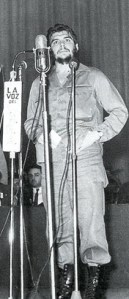 «C’est l’heure des brasiers, et il ne faut voir que la lumière».
Che Guevara, a symbol of struggle
By Tony Saunois.
It is perhaps fitting for an Argentinean to own a yerba mate plantation as Ernesto Guevara Lynch did in the remote jungle of Misiones on the border with Paraguay and Brazil. Chileans are renowned drinkers of tea and Brazilians of coffee. The Argentineans consume with gusto a bitter tea herb throughout the day whilst at work or relaxing with friends.
Ernesto Guevara Lynch was the great-grandson of one of South America’s richest men whose ancestors were of both Spanish and Irish nobility. Most of the family fortune had been lost by previous generations and Guevara Lynch invested what he had in the yerba mate plantation where he hoped to make his fortune. In 1927 he met and married Celia de la Serna, an Argentinean also with ancestors from the Spanish nobility.
The first of four children, Ernesto, was to become known as the world renowned revolutionary, Che Guevara. As a revolutionary who spent most of his life in clandestine activity, it was apt that he should have falsified birth and death certificates.
Ernesto was in fact born one month earlier than June 14 1928 which was stated on his birth certificate, the deception being necessary because his mother was three moths pregnant on the day she married. Che was executed on October 8 1967 in Bolivia at the hands of the United States Central Intelligence Agency (CIA) and the Bolivian army.
Thirty years after his execution the name of Che Guevara lives on throughout Latin America and beyond. He has left a powerful tradition as an internationalist and self-sacrificing revolutionary who acts as an inspiring symbol of struggle against exploitation.
On the thirtieth anniversary of his execution it is legitimate for revolutionaries to salute Che’s qualities as a symbol of struggle against oppression and recognise the heroic role he played in the Cuban revolution in 1959. The guerrilla struggle which was mainly based upon the most downtrodden peasants in Cuba ended with the overthrow of the hated Batista dictatorship.
This was possible because of the concrete situation which existed in Cuba and other countries of Central America and the Caribbean. It was not possible for Che to successfully repeat the experience of the revolution in the countries of Latin America where there were different conditions – in particular a more powerful urban population and smaller rural population than in Central America.
The attempt of Che to apply the same methods he used in Cuba poses important question about his ideas and methods which need to be discussed and analysed by revolutionary socialists.
Che did not readily enter into political activity. Reflecting his middle class upbringing and compassion for the poor and sick he was initially drawn towards medicine and eventually graduated as a doctor from the Buenos Aires Faculty of Medicine in 1953.
His family had moved from Misiones to Cordoba partly for business reasons and also in a bid to aid Che’s chronic asthma through a change of climate. They finally moved to Buenos Aires in 1947 where his parents eventually split up.
Asthma was to dog Che throughout his life. Its crippling effect made all the more remarkable the guerrilla struggles which he eventually was to engage in. Like many such disabilities it had an effect in shaping his early development. Often unable to walk and confined to bed he developed a keen interest in reading and learning to play chess. Whilst determined to overcome his disability and insisting on playing sports he became something of a loner spending much of his time reading and studying. This was re-enforced by the split between his parents, the death of his grandmother and the financial problems which the family were now encountering.
At university Che was drawn to more political reading although he did not actively participate in political life. He began delving into socialist ideas. According to his own recollections he read some Marx, Engels and Lenin along with some material by Stalin. He also studied the novelists Zola and Jack London and Argentine socialists such as Alfredo Palacios. His love of poetry was satisfied, amongst others, by the works of the Chilean writer and Communist Party member, Pablo Neruda, and the Spanish Civil War poet Lorca.
However, for all his new-found curiosity about socialist ideas he never engaged in political activity beyond discussing with some members of the Young Communists and other left-wing groups. According to one report he joined the Peronist Youth (a populist and nationalist Argentinean movement led by General Perón) as a means of obtaining greater access to the university library.
He was regarded as radical and outspoken by those he encountered but did not have any coherent or worked out ideas and certainly did not regard himself as a Marxist. His main objective was still to qualify as a doctor with a view to helping the sick and the poor. However, within him a passion for travel was beginning to develop. Initially this was within Argentina itself and then later he undertook two journeys which brought him throughout Latin America and eventually beyond.
The experiences which he encountered during this Odyssey changed his perception of the tasks necessary to end poverty and exploitation. It was during the adventures and events which he witnessed on these journeys that Che eventually embraced socialist ideas.
Che’s first real journey took place during 1950 in which he travelled widely throughout Argentina. For the first time he witnessed the massive social divide which existed in the country. In Buenos Aires he had evidently seen poverty before but for the first time he witnessed the dual character of much of South America. Buenos Aires was one of the most European of South American cities in its culture and lifestyle. During this journey he travelled into the backward and socially deprived centres of Argentina which existed at the time.
Much of what he saw in the hospitals he visited and amongst the most downtrodden of the rural poor with which he made contact was viewed through the eyes of an aspiring doctor. Che concluded from these experiences that the modern Argentinean nation was a «luxurious façade» under which the real «soul» lay., a soul which was rotten and sick.
Che’s first international tour took place in 1952 and the second during 1953/4. These had a more pronounced effect and ultimately changed the direction of his entire life, especially his second Odyssey throughout the continent.
Nobody can escape the consequences of powerful social upheavals and convulsions. It is true that some individuals, especially from a middle class background, may be content to only observe such events. Others are increasingly drawn into big social events and the struggles between the various classes. Che Guevara was content to play the role of an observer at the beginning of his voyage. As it progressed he was eventually increasingly drawn into the revolutionary struggle which ultimately cost him his life.
At the outset of his voyage he and his traveling companion, Alberto, were more interested in having a good time and gaining some medical experience as they toured South America on a Harley Davidson. Che’s recently published Motor Cycle Diaries provide more than adequate examples of this. Drunken brawls, romantic encounters and other, «youthful» adventures, dominated the trip they were making around the continent. As they crossed the border into Chile they passed themselves off as leprologists. The local papers of the towns and villages they passed through even reported the journey of these two young adventurers. The local daily in Temuco carried the headline ‘Two Argentine Experts in Leprology Travel South America on a Motor Cycle.’
Frequently they had to flee local towns and villages having aroused the wrath of the local peasants, especially fathers with attractive daughters. During this first trip Che led the largely bohemian and carefree existence for which he was known as a student at university in Buenos Aires. It was a lifestyle made all the more possible by the relative affluence of his middle class family. At the same time it also reflected the independent spirit which marked his character.
However, whilst it is this aspect of the trip which is the dominant feature in his diary, other experiences had an important impact on him. The poverty and conditions he witnessed increasingly aroused a nascent social awareness. Che’s anger at the indifference shown towards the poor by the ruling class was being stirred during his travels.
Whilst encamped at the Chilean port of Valparaíso, Che was asked to use his medical skills to try and help an elderly woman who it transpired was dying of chronic asthma and a weak heart. There was little he could do but the experience of trying to treat her, surrounded by poverty, evidently lefts its mark. Afterwards he wrote: » There, in the final moments of people whose farthest horizon is always tomorrow, one sees the tragedy that enfolds the lives of the proletariat throughout the whole world; in those dying eyes there is a submissive apology and also frequently, a desperate plea for consolation that is lost in the void, just as their body will soon be lost in the magnitude of misery surrounding us. How long this order of things based on an absurd sense of caste will continue is not within my means to answer, but it is time that those who govern dedicate less time to propagandising the compassion of their regimes and more money, much more money, sponsoring works of social utility.»
Unable to get a boat to Easter Island as they intended Che and his companion headed north, eventually arriving at Chuquicamata, the world’s largest open cast copper mine. «Chuqui» as it is still known in Chile today, was owned by US monopolies such as Anaconda and Kennecott. US ownership of the mines at «Chuqui» was a symbol of imperialist «gringo» domination of Chile. They were eventually nationalised by the Popular Unity government, led by Salvador Allende of the Socialist Party, between 1970 and 1973.
It was here Che and Alberto encountered the harsh realities of the class struggle. They met a former miner and his wife, both members of the then illegal Chilean Communist Party. Che was told the bitter story of repression, disappearances and black-listing used by the company and government against those who tried to fight for workers’ rights.
Che and Alberto succeeded in entering the mine where a strike was being prepared. They were shown around by a foreman who, as Che noted, commented, «..imbecile gringos, they lose millions of pesos a day in a strike in order to deny a few centavos more to a poor worker.»
This visit to Chuqui made a lasting impression on Che and he kept a note book on the experience in which he detailed not only the impressions he had of the workers, but also production techniques and the political importance of the mines for Chile. Referring to the mineral rich mountains he protested about the «exploited proletariat» and environmental destruction of the landscape.
«The hills show their grey backs prematurely aged in the struggle against the elements, with elderly wrinkles that don’t correspond to their geological age. How many of these escorts of their famous brother (Chuquicamata) enclosed in their heavy wombs similar riches to his, as they await the arid arms of the mechanical shovels that devour their entrails, with their obligatory condiment of human lives?» *
However, despite these scenes and the impact they had on Che, he would still need further experiences and witness greater events before he committed himself to the life of a revolutionary.
The next stop on his Odyssey was Peru which proved decisive in Che embracing socialist ideas through an encounter with a prominent leader of the Peruvian Communist Party, Doctor Hugo Pesce. Before arriving in Lima on 1 May 1952, Che and Alberto had the opportunity to encounter the marvel of ancient Inca culture.
As with all visitors, the stark consequences of four hundred years of «white» European conquest in Latin America and brutal suppression of the indigenous peoples of the continent, was undoubtedly engraved into the consciousness of Che during his visit to the ancient Inca capital of Cuzco and the stunning temple ruins of Macchu Picchu.
Pablo Neruda in his celebrated work on Latin America, Canto General (General Song) included a poem, Alturas de Macchu Picchu (The Heights of Macchu Picchu) reflecting the image this ancient ruin high in the Andes provokes in those aspiring to struggle against exploitation.
|
|
In Che’s native Argentina the indigenous peoples had been virtually wiped out and their culture destroyed. In Peru, Bolivia, Mexico and some other Latin American countries this was not the case. They had been reduced to the most downtrodden and exploited layers of society, often predominating in the countryside. The mixed race mestizos had developed and formed big sections of the working class in the cities. The rich and powerful ruling classes were, and remain, largely of pure European decent.
This history of conquest and the continued exploitation of the continent by imperialism, especially US imperialism, has resulted in an extremely powerful anti-imperialist consciousness amongst the exploited classes. In the latter half of this century this bitterness has been largely directed at the «yanki gringos», north of the Rio Grande. Che, during his visit to Peru, increasingly absorbed this hatred of the dominant imperialist power.
Upon being forced to leave the free accommodation they had secured with the arrival of a party of «gringo» tourists, Che noted: «Naturally the tourists who travelled in their comfortable buses would know nothing of the conditions of the Indians…The majority of the Americans fly directly from Lima to Cuzco, visit the ruins and then return, without giving any importance to anything else.»
On 1 May the two travellers arrived in Lima. Che met with Dr. Pesce, a leading figure in the Communist Party and follower of the Peruvian philosopher José Maríategui. Maríategui’s primary work was written in 1928 – Seven Interpretative Essays on Peruvian Reality. This laid great stress on the role of the indigenous people and peasantry in the struggle for socialism.
The discussions with Pesce evidently had a profound effect upon Che. A decade later he sent the doctor a copy of his first book, Guerrilla Warfare, with the inscription, «To Doctor Hugo Pesce who, without knowing it perhaps, provoked a great change in my attitude towards life and society, with the same adventurous spirit as always, but channelled toward goals more harmonious with the needs of America.»
At this stage, despite the discussions he was engaged in with Pesce, Che was still not prepared to embrace openly an identification with «Marxist» ideas. His opinions were however beginning to take shape and he began to express them. In particular he began to openly develop internationalist ideas, at least within the context of Latin America.
At a party to celebrate his twenty fourth birthday in Peru, Che made a toast declaring «…that (Latin) America’s division into illusory and uncertain nationalities is completely fictitious. We constitute a single mestizo race, which from Mexico to the Straights of Magellan presents notable ethnographic similarities. For this, in an attempt to rid myself of the weight of any meagre provincialism, I raise a toast to Peru and for a United America.»
This statement clearly reflected his developing internationalist aspirations. However, they did not constitute a rounded out Marxist analysis and were somewhat simplistic in the assessment of the situation. The aspiration for a unified Latin America has existed since Simón Bolívar (who led armed rebellions against Spain and helped secure independence for much of Latin America) and the 19th century wars of national liberation. Continental unity is still a powerful sentiment amongst the Latin American masses, existing side by side with a national consciousness in each country.
The recurring aspiration of the masses to unify Latin America is not possible to obtain within the context of capitalism because the ruling capitalist class of each Latin American nation have their own economic and political interests to defend. They are also linked by economic and material interests to imperialism from which they cannot break free. Imperialism itself also opposes unity of the continent under capitalism, generally preferring to impose its will on a number of states weaker than itself. The establishment of a democratic federation of Latin American states as a step to unify the continent is only possible by breaking free of capitalism and imperialism and building socialism.
This spirit of internationalism was a theme to which Che returned many times and the idea of an internationally based revolution against imperialism and capitalism was one he championed in later years. The divergence he had with a fully rounded out Marxist analysis was about how this should be done and by which class.
After continuing his tour, arriving in Colombia and Venezuela, Che, having separated from his travel companion and friend, returned to Argentina in order to complete his studies and sit exams at university. The impact of this first journey upon him was evident in his Notas de Viaje, written up from his travel diary. He was no longer the same person who had left Argentina. «The person who wrote these notes died upon stepping once again onto Argentine soil, he who edits and polishes them, ‘I’ am not I; at least I am not the same I that was before. That vagabonding through our ‘América’ has changed me more than I thought.»
Once back in Argentina his family hoped that his days as a vagabond would end and that he would take up his chosen profession, medicine. Che completed his studies during April 1953 and received his doctor’s degree in June, a few days prior to his twenty fifth birthday.
However, the hopes held by his family were rapidly dashed as his second tour of America began. This time it was planned together with his childhood friend, Carlos «Calica» Ferrer, who had dropped out of medical school.
According to Calica, the two friends had talked of going through Bolivia as Che wanted to return to visit the Inca ruins and Machu Picchu. Their longer term plans included Che’s hopes of visiting India and Calica’s quest to see Paris.
Thus by early July when the two travel companions set off by train from Buenos Aires, Che still had no idea of committing himself to a life of disciplined and self-sacrificing revolutionary struggle. The bohemian still dominated his character. Within a relatively short space of time this was to change.
Individuals are drawn to participate in the revolutionary movement for many reasons. Some are mainly motivated by political ideas, others by a revulsion of the existing system, and some through participating in big social upheavals from which they cannot simply stand aside.
The reason the direction of Che’s life took a sharp turn cannot be explained by one single issue. He was undoubtedly interested in political ideas and was outraged by the social conditions which he witnessed. He was also profoundly affected by the powerful social explosions he experienced during his second American tour. These included two revolutionary movements, in Bolivia and then Guatemala, after which his life took an entirely new and unexpected direction.
Source: socialistworld.net.
Οι απόψεις που εκφράζονται στο άρθρο δεν υιοθετούνται απ’ το Ελληνικό Αρχείο Τσε Γκεβάρα.
Η δεύτερη δολοφονία του Ερνέστο Τσε Γκεβάρα
Του Osvaldo Coggiola*.
Η δεύτερη δολοφονία του Ερνέστο Τσε Γκεβάρα. Το πρόσωπο και το πρόγραμμα του Τσε Γκεβάρα περνούν από την ιστορία στην μυθολογία ή τοποθετούνται σε έναν κύκλο απρόσιτο στους κοινούς θνητούς. Στην περίπτωση του Τσε τον μετατρέπουν σ΄ ένα σύμβολο θαυμαστό, τόσο βολικά νεκρό, της περίφημης δεκαετίας του ΄60, των ουτοπικών της ονείρων, τον κάνουν ένα είδος Τζίμι Χέντριξ του μαρξισμού, που ρίχτηκε σε μια αποστολή αυτοκτονίας πληρώνοντας το τίμημα. Πάνω σ΄ αυτήν την γραμμή, ο Rogelio Garcia Lupo παρατηρεί μπερδεμένος: «Ο χρόνος θα μετατρέψει την μορφή του Τσε σε σύμβολο μιας γενιάς… Ο Τσε που αντιπροσώπευσε περισσότερο από κάθε άλλο την γενιά της δεκαετίας του ΄60, έχει γίνει αποδεκτός ακόμα και από τους εχθρούς του, τους ιδεολόγους εκείνους που τον πολέμησαν, τον κυνήγησαν, και κατάφεραν τελικά να τον οδηγήσουν στον θάνατο». «Να τον οδηγήσουν στον θάνατο» είναι ο ντροπαλός κι επίκαιρος τρόπος περιγραφής μιας πράξης που δεν ήταν άλλο παρά εν ψυχρώ δολοφονία, με τους ενόχους γι΄ αυτήν – π.χ. τον τωρινό πρόεδρο της Βολιβίας στρατηγό Χούγκο Μπανζέρ Σουάρεζ ή τον πρώην δήμαρχο Γκάρυ Πράντο Σαλμόν, βουλευτή του «Κινήματος της Επαναστατικής Αριστεράς» (MIR) – ή τους υπεύθυνους θεσμούς – τις μυστικές υπηρεσίες των ΗΠΑ – να βρίσκονται θαυμάσια στη ζωή κι ατιμώρητοι, και νάχουν αποκτήσει ακόμα και κάποια φήμη για το «ανδραγάθημά» τους (να κατακρεουργήσουν με πολυβόλο έναν τραυματία κι άοπλο άνδρα). Οπως λέει κι ο Αντρές Ρολντάν: «Αυτός που το 1967, με τη στήριξη και βοήθεια του επιτελείου της CIA και του Πενταγώνου κατεδίωξαν αμείλικτα κι εξόντωσαν μια μικρή και αβοήθητη αντάρτικη ομάδα χάρη στις κατά πολύ υπέρτερες δυνάμεις τους, σήμερα ζητούν να παρουσιαστούν σαν ιπποτικοί αντίπαλοι μιας μεσαιωνικής κονταρομαχίας».
Το χρυσό βραβείο ηλιθιότητας ανήκει σε κάποιον Brook Larmer, που, μέσα από τις στήλες του υπερ – αντιδραστικού Νιούσγουηκ, τον Ιούλιο, αφού απαριθμήσει τους λόγους που μετατρέψαν τον Γκεβάρα σε αντικείμενο «μάρκετινγκ», καταλήγει: «Φαίνεται ν΄ αντιπροσωπεύει σ΄ έναν καταναλωτικό κόσμο, ένα ιδανικό καταναλωτικό κόσμο, ένα ιδανικό καθαρότητας, το πρότυπο του έντιμου ανθρώπου που διαρκώς τελειοποιεί την προσωπικότητά του. Μαζί μ΄ αυτά, πέθανε νέος, στα 39 του χρόνια, ήταν όμορφος και του πήγαινε ωραία η στρατιωτική του στολή»! Αυτή η «καθαρότητα» ατομικής ή μάλλον θρησκευτικής κατανάλωσης (ένας από τους τελευταίους βιογράφους του, ο Τζων Λη Αντερσον, βεβαιώνει ότι «η μεταστροφή του Τσε στην πολιτική έγινε όπως ο φωτισμός ενός αγίου, με την φωτεινότητα με την οποία ένας άγιος αποφασίζει ν΄ αντιμετωπίσει ότι κι αν προκύψει στον δρόμο του», διαχωρίζεται με τρόπο πολύ βολικό από τις πολιτικές ιδέες του Τσε, τις οποίες ένας άλλος βιογράφος του, ο μεξικανός Χόρχε Καστανιέδα περιγράφει σαν εξωπραγματικές αυτή τη στιγμή ή σαν αναχρονιστικές σήμερα: «Ο Τσε δεν έχει σύνδεση με τη δράση και τον πολιτικό λόγο, τις κοινωνικές αλλαγές και την παρούσα εικονογραφία. Οι καιροί στους οποίους παραπέμπει αποτελούν μέρες της μνήμης που ο κόσμος καλλιέργησε για καλλίτερους καιρούς που ποτέ δεν είρθαν».
Αν όλα τούτα είναι αληθινά, τότε αναρωτιέται κανείς γιατί ο Γκεβάρα να δολοφονηθεί άγρια με την επέμβαση της CIA, που έστειλε έναν πράκτορα εκτελεστή, τον κουβανό «gusano» {παρατσούκλι των αντεπαναστατών εμιγκρέδων στο Μαϊάμι Φέλιξ Ροντρίγκεζ, που βρισκόταν εν δράσει μέχρι πρόσφατα, όντας ο σύνδεσμος του Ολιβερ Νορθ στην Ονδούρα στη διάρκεια του σκανδάλου του Ιρανγκέϊτ. Γιατί να χρειαστεί να τον σκοτώσουν και δεν τον συνέλαβαν μόνο, να τον χρησιμοποιήσουν σαν σύμβολο της «κομμουνιστικής ανατρεπτικής δραστηριότητας» και σαν στοιχείο εκβιασμού κατά της Κούβας από την βολιβιάνικη δικτατορία, προσφέροντας τον για ανταλλαγή με αντεπαναστάτες κουβανούς, όπως έκανε αργότερα ο Πινοσέτ που χρησιμοποίησε τον φυλακισμένο ηγέτη του ΚΚ Χιλής Λουίς Κορβαλάν για να πετύχει ένα προπαγανδιστικό κόλπο, ανταλλάσσοντάς τον με τον (αντι) σοβιετικό διαφωνούντα Βλαντιμίρ Μπουκόφσκι;
Ο ίδιος ο Kαστανιέδα υποχρεώνεται να δείξει την πλήρη συμμετοχή της CIA στην καταδίωξη και τη δολοφονία του Γκεβάρα, μέσα από μαρτυρίες πολλών υψηλόβαθμων «αξιωματούχων» (με τους οποίους φαίνεται ότι ο Καστανιέδα έχει τόσην ευκολία πρόσβασης όση και μ΄ εκείνη των επαφών του με την λατινοαμερικάνικη αριστερά). Ο δημοσιογράφος Τσίρο Μπιάνκι Ρος κάνει τώρα διάφορες εικασίες πάνω στο γιατί αποφάσισαν να τον δολοφονήσουν: «Αν τον έφερναν στην Λα Παζ θα δημιουργούνταν πρόβλημα. Θάταν αντιπαραγωγικό να τον προσάγουν σε δίκη γιατί στο δικαστήριο θα γινόταν από κατηγορούμενος κατήγορος. Να τον κρατήσουν φυλακισμένο χωρίς δίκη πάλι δεν θάταν σκόπιμο γιατί η παγκόσμια κοινή γνώμη θα παρέμβαινε σε υπεράσπισή του. Να τον κρατήσουν ζωντανό θα ήταν κίνδυνος για τις κυβερνήσεις της Βολιβίας και των γειτονικών χωρών. Ως εκ τούτου έπρεπε να δολοφονηθεί».
Αυτά είναι μόνο μέρος της αλήθειας. Η δολοφονία του Τσε Γκεβάρα (και του Φιντέλ Κάστρο) είχαν αποφασιστεί θεσμικά ως κρατικός στόχος από τις ΗΠΑ, από την στιγμή που η κουβανέζικη επανάσταση μπήκε στο δρόμο του συνεπή αντι-ιμπεριαλισμού και του σοσιαλισμού. Ο καλά πληροφορημένος δημοσιογράφος Ταντ Σουλτς βεβαιώνει: «Το 1961, λίγο μετά το φιάσκο της εισβολής στον Κόλπο των Χοίρων, στην Κούβα, μιας ταξιαρχίας κουβανών εμιγκρέδων σταλμένης από τις ΗΠΑ, ο πρόεδρος Τζων Φ. Κέννεντυ διάβασε το εγχειρίδιο του Τσε Γκεβάρα για τον ανταρτοπόλεμο. Αμέσως μετά υπέγραψε την διαταγή προς τον αμερικάνικο στρατό ν΄ ανοίξει μια σχολή καταστολής αντάρτικων στο Φορτ Μπραγκ της Βόρειας Καρολίνας».
Τίποτα δεν είναι πιο γκροτέσκο από το να περιγράψεις το θάνατο του Τσε Γκεβάρα σαν το δίκαιο τίμημα για τα «λάθη του foquismo» [της πολιτικοστρατιωτικής τακτικής εγκατάστασης ενός foco, μιας αντάρτικης εστίας], ή να πεις ότι «πέθανε» θύμα των δικών του μεθόδων. Κι όμως αυτό το δρόμο ακολουθούν οι βιογράφοι του, Αντερσον και Καστανιέδα, που με πρόσχημα την «ιστορική αντικειμενικότητα» περιγράφουν τον Τσε σαν «ιδεαλιστή» και συνάμα σαν «αμείλικτο και αποφασιστικό». Ο ίδιος ο Ταντ Σουλτς τον περιγράφει σαν ένα κράμα του Τρότσκι, του Ροβεσπιέρου και του… Τορκουεμάδα» {του Μεγάλου Ιεροεξεταστή!}. Ομως η δολοφονία του Γκεβάρα δεν έχει καμμιά σχέση με την ευθύνη του για την εκτέλεση διαφόρων πρακτόρων και βασανιστών της δικτατορίας του Φουλγκένσιο Μπατίστα, στην Κούβα. Ο Τσε τόνισε παίρνοντας τις κύριες ευθύνες ότι οι εκτελέσεις δεν είχαν να κάνουν με κάποιο είδος αντεκδίκησης. «Μετά τη φυγή του Μπατίστα, ο Γκεβάρα έγινε διοικητής της Καμπάνια, του κυριώτερου φρουρίου της Αβάνας και εκεί προέδρευε στις δίκες των διαφόρων δημίων του δικτάτορα, από τους οποίους 55 εκτελέστηκαν. Ο Γκεβάρα επέμενε στην αναζήτηση αποδείξεων ότι οι άνθρωποι αυτοί ήταν πραγματικά ένοχοι για τις βιαιοπραγίες για τις οποίες κατηγορούνταν. Οι δικαστικές διαδικασίες που ακολουθούσε, όσο στοιχειώδεις κι αν ήταν, εμπόδιζαν το λιντσάρισμα που ήταν γενική απαίτηση. Για το Τσε η διάλυση της παλιάς στρατιωτικής μηχανής ήταν ο απαραίτητος όρος για να πραγματοποιηθεί η κοινωνική επανάσταση».
Η κριτική του «foquismo» δεν μπορεί να συνδέεται με την παραμικρή παραχώρηση στην αστική – ιμπεριαλιστική – δημοκρατίζουσα καρικατούρα του. Για τον Γκεβάρα, ο ουσιαστικός επαναστατικός παράγοντας δεν ήταν η «πεφωτισμένη βούληση» μιας φούχτας ενόπλων αλλά η ίδια η Κουβανέζικη Επανάσταση, που την έβλεπε ως την απαρχή της λατινοαμερικάνικης επανάστασης – πράγμα αντικειμενικά σωστό όπως το έδειξαν τα επαναστατικά προτσές της δεκαετίας του ΄60 και του ΄70 στον Άγιο Δομίνικο, την Βολιβία, το Ελ Σαλβαδόρ, την Νικαράγουα (για να μην μιλήσουμε για τις καταπληκτικές εργατικές εξεγέρσεις στην Αργεντινή, την Χιλή, την Ουραγουάη, το Περού). Μια επανάσταση που υπερασπιζόταν με την δικιά τους εσωτερική δύναμη, ενάντια στην απομόνωση που ήθελε να την κλείσει «η μεγάλη παγκόσμια συμφωνία» των ΗΠΑ με την ΕΣΣΔ στη διάρκεια του (κακώς) λεγόμενου «ψυχρού» πολέμου, όπως το απέδειξε η «κρίση των πυραύλων» το 1962.
Όπως ο Τσε είπε: «Όλοι γνωρίζουν τον αληθινό κίνδυνο της Κουβανέζικης Επανάστασης. Οι χώρες εκείνες που είναι πολύ εξαρτημένες και συνεπώς πολύ κυνικές μιλούν για τον κίνδυνο της κουβανέζικης ανατρεπτικής δραστηριότητας, και έχουν δίκιο. Ο μεγαλύτερος κίνδυνος από την μεριά της Κουβανέζικης Επανάστασης είναι το παράδειγμά της, είναι η επαναστατική του γεγονότος ότι η κυβέρνηση στηρίζεται στην εξουσία του λαού, καθοδηγούμενου από έναν ηγέτη παγκόσμιου κύρους, που έχει φτάσει σε ύψη που σπάνια έχουν ειδωθεί στην Ιστορία».
«Είναι το φοβερό παράδειγμα ενός λαού που είναι διατεθειμένος να θυσιαστεί σ΄ ένα ατομικό ολοκαύτωμα ώστε οι στάχτες του να χρησιμέψουν στο πλάσιμο νέων κοινωνιών, κι όταν, χωρίς να τον ρωτήσουν, του επιβάλουν μια συμφωνία απόσυρσης των ατομικών πυραύλων, αυτός ο λαός δεν ανασαίνει από ανακούφιση, ούτε λέει ευχαριστώ για την εκεχειρία, παρά συνεχίζει να μιλάει με την δικιά του μοναδική φωνή. Κάνει αισθητή την μαχητική του θέση, την μοναδική και την ισχυρή απόφασή του για πάλη ενάντια σ΄ όλους τους κινδύνους και ενάντια στην ίδια την πυρηνική απειλή του Γιάνκικου ιμπεριαλισμού».
Στις αμετάκλητες καταδίκες του αντάρτικου – που είναι μόνο μια μέθοδος πάλης – συνήθως γίνεται μια προσπάθεια εξάλειψης της ανθρώπινης βούλησης ως συνειδητού παράγοντα ικανού να αλλάξει την πραγματικότητα. Παρά τα θεωρητικά σφάλματα του foquismo (που θεωρητικοποιήθηκαν περισσότερο από τον Ρεζί Ντεμπραί παρά από τον ίδιο τον Τσε), ο Γκεβάρα, μετά την έξοδό του από την Κούβα, πρώτα στο Κογκό και μετά στην Βολιβία, στηρίζονταν: α) σε μια αντικειμενική εκτίμηση του πολιτικού συσχετισμού δυνάμεων ανάμεσα στις τάξεις στις λατινοαμερικάνικες χώρες και β) σε μια εκτίμηση χωρίς αυταπάτες των πολιτικών δυνάμεων που ισχυρίζονται ότι θα στηρίξουν το επαναστατικό προτσές, πρώτα – πρώτα τα ΚΚ, ανάμεσα του και το βολιβιανό που κατηγορήθηκε από την κουβανέζικη ηγεσία για προδοσία κατά του αντάρτικου του Τσε (συμπεριλαμβανομένης της υποψίας για άμεση κατάδοση). Ο ίδιος ο Τσε είχε μιαν αντίληψη καθαρή σε ποιες δυνάμεις μπορούσε να στηριχθεί, στις οποίες συμπεριελάμβανε και τους τροτσκιστές.
O Φιντέλ Κάστρο, στην συνέντευξή του στον Γκιάννι Μίνα, το 1987 «είχε την πρόθεση να εξηγήσει (χωρίς να πείσει) γιατί δεν βοήθησε τον Γκεβάρα στην Βολιβία», παρόλο που του ζητήθηκε. Σ΄ αυτό, όπως και σε άλλα πράγματα, η κουβανέζικη ηγεσία δεν υπήρξε συνεπής, γεγονός που φωτίζει την τωρινή της πορεία: «Οι καιροί αλλάζουν και ο Τσε δεν μπορεί να είναι τόσο ένα παράδειγμα, όσο ένα μνημείο που θα μαρτυράει για τις πρώτες στιγμές της επανάστασης, που είναι τώρα λησμονημένες. Μερικές φορές ο Κάστρο μιλούσε για τις αποτυχημένες επιχειρήσεις του Γκεβάρα. Άλλες φορές για τα ιδανικά του. Αποπολιτικοποιημένος, στερημένος από την έντονη ιδεολογική θωράκισή του, ο Τσε μπαίνει στο Πάνθεον των μαρτύρων, νεκρό σύμβολο του έθνους».
Ο αγώνας του Τσε στην Βολιβία δεν εξηγείται από την ξεχωριστή ηθική του αξία, από το μοναδικό του «αδάμαστο πνεύμα», ή από τον «επαναστατικό ανθρωπισμό» που τον χαρακτήριζε. Ηταν η (συζητήσιμη) πολιτική διέξοδος από μια πολιτική σύγκρουση, που τον έκανε κατά τον Ταντ Σουλτς, να «έχει εχθρούς σ΄ όλους τους τομείς του ΚΚ Βολιβίας, ιδιαίτερα σ΄ εκείνους που προέρχονταν από το παλιό σταλινικό ΚΚ. Οι διαφορές αναφέρονταν στην αυξανόμενη υποταγή στην γραφειοκρατία της ΕΣΣΔ, με πρόσχημα την «οικονομική βοήθεια», όταν αυτή συνεπαγόταν «την πώληση πετρελαίου (στην Κούβα) σε τιμές της παγκόσμιας αγοράς {…} Ο Τσε κατήγγειλε αυτό το αίσχος χωρίς να μασάει τα λόγια του.
«Πώς μπορείς να μιλάς για «αμοιβαίο όφελος» όταν πουλάς σε τιμές παγκόσμιας αγοράς τις πρώτες ύλες που κοστίζουν ιδρώτα και απεριόριστο πόνο στις καθυστερημένες χώρες και να ζητάς τιμές της παγκόσμιας αγοράς για μηχανήματα που παράγονται στα μεγάλα αυτοματοποιημένα εργοστάσια του σήμερα;Εάν εγκαθιδρύουμε αυτό τον τύπο σχέσεων ανάμεσα στις ομάδες των εθνών, τότε οφείλουμε να συμπεράνουμε ότι οι σοσιαλιστικές χώρες είναι, κατά κάποιο τρόπο, συνένοχος της ιμπεριαλιστικής εκμετάλλευσης. Θα μπορούσε να αγνοηθεί εάν η συνολική αξία των ανταλλαγών με τις υπανάπτυκτες χώρες αντιπροσωπεύει μόνον ένα ασήμαντο τμήμα του εξωτερικού εμπορίου αυτών των χωρών. Αυτό είναι μια μεγάλη αλήθεια, δεν εξαφανίζει όμως τον ανήθικο χαρακτήρα αυτού του εμπορίου».
Ενάντια στην «ειρηνική συνύπαρξη» ο Τσε κάλεσε για την δημιουργία «δυο – τριών – πολλών Βιετνάμ», κι όσον αφορά την Λατινική Αμερική υπεράσπισε την προοπτική της «σοσιαλιστικής επανάστασης ενάντια στην καρικατούρα της επανάστασης». Ο Τσε συχνά κατήγγειλε την υποκριτική υπεράσπιση και βοήθεια με το σταγονόμετρο που έδιναν η ΕΣΣΔ και η Κίνα στο Βιετνάμ όταν πάλευε ενάντια στον Γιάνκικο ιμπεριαλισμό. Είναι σαφές ότι ο Τσε, όπως βεβαιώνει ο κομμαντάτε Μπενίνιο (ο κουβανός αντάρτης που συνόδευσε τον Τσε στην Βολιβία): «Είχε μια σκέψη διαφορετική από τους υπόλοιπους ηγέτες… Τούτο αποκαλύφθηκε όταν έβγαλε την ομιλία στο Αλγέρι (1963). Η πολιτική του γραμμή αποκηρύχθηκε από τους Σοβιετικούς και τους σοσιαλιστές κι ασκήθηκε μια κάποια πίεση πάνω στον Κάστρο και τον Τσε να έχουν πολύ βαθιές συζητήσεις {…}. Κατά την Σοβιετική Ενωση, ο Τσε είχε μετατραπεί σε αντισοβιετικό. Μερικοί τον αποκαλούσαν Τροτσκιστή και τα παρόμοια. Αυτό δεν ήταν γνωστό στον Κουβανέζικο λαό πέρα από μερικούς ηγέτες του». Επειδή ο Τσε δεν μπόρεσε να επεξεργαστεί προγραμματικά τις διαφωνίες του, τους έδωσε μόνο μια εμπειρική διέξοδο (την δράση ενάντια στην παθητικότητα).
Κριτικάροντας έναν από τους πρόσφατους βιογράφους του, ο Ταντ Σουλτς τονίζει ότι «ο Αντερσον δεν λέει ξεκάθαρα ότι ο Φιντέλ είχε αποφασίσει ότι ήταν η ώρα πια να αποδεσμευθεί από τον Τσε για λόγους που αφορούσαν την Κούβα (και τους Σοβιετικούς). Ηταν πλέον ξεκάθαρο ότι ο Αργεντίνος δεν ήταν πια χρήσιμος». Οι λόγοι «που αφορούσαν την Κούβα» αναφέρονται στα σημάδια εσωτερικής γραφειοκρατικοποίησης, που είχαν ήδη δειχθεί στην «οικονομική συζήτηση» στις αρχές της δεκαετίας του ΄60 (όταν ο Τσε πάλεψε προτάσεις διευθυντικού γραφειοκρατισμού και ταυτόχρονα… οικονομικής αυτοδιαχείρισης των επιχειρήσεων) και που αντανακλούσαν την αυξανόμενη υποταγή στην Ρώσικη γραφειοκρατία. Τον Αύγουστο 1971, το κυριότερο συνδικάτο (εκείνο της ζαχαροβιομηχανίας) έβγαλε απόφαση ότι «το συνδικάτο θα πασχίσει να επιβάλλει την πειθαρχία της εργασίας, για να κάνουν οι εργάτες το καθήκον τους απέναντι στην κοινωνία». Η ανάδυση μιας γραφειοκρατικής εξουσίας που διέλυε την εργατική διαχείριση ήταν εμφανής.
Ο Ταντ Σουλτς λέει πολύ περισσότερα για το τί σκέφτεται ο ίδιος όταν τονίζει ότι «αν υποθέσουμε ότι ζούσε ακόμη ο Τσε, σαν ιδεολόγος της τιμιότητας με κάθε τίμημα, θα εναντιωνόταν στο δρόμο που ακολουθεί τα τελευταία χρόνια ο Φιντέλ: δολαριοποίηση της οικονομίας, κίνητρα στην ξένη διείσδυση, φιλικές σχέσεις με την πλειοψηφία των λατινοαμερικανών προέδρων που έχουν εκλεγεί δημοκρατικά (ιδέα εντελώς απορριπτέα κατά τον Τσε), αποδοχή της πρώτης επίσκεψης στο νησί του Πάπα Ιωάννη Παύλου του Β΄ που πρόκειται να γίνει τον ερχόμενο Ιανουάριο». Σίγουρα κι ακόμη περισσότερο, ο Τσε δεν θα συμφωνούσε με την συμφιλίωση ανάμεσα στην επανάσταση και τους χειρότερους ιστορικούς της εχθρούς, πράγμα που θα την καθιστούσε, σε κάθε περίπτωση, άχρηστη.
Στην Βολιβία ο Τσε δεν σχεδίαζε την κατάληψη της εξουσίας ξεκινώντας από μιαν αντάρτικη εστία, ούτε μιαν επανάληψη της εποποιίας του κινήματος της 26ης Ιουλίου στην Κούβα. Αποσκοπούσε στην εγκατάσταση μιας βάσης για την επαναστατική δράση σε διάφορες χώρες. Στ΄ απομνημονεύματα του κομμαντάτε Μπενίνο (Ντανιέλ Αλαρκόν Ραμίρεζ) γράφεται: «Σύμφωνα με το σχέδιό μας έπρεπε να τελειώσουμε στις 30 Ιουνίου με τους Βολιβιανούς, Αργεντίνους, Βραζιλιάνους και Περουβιανούς, σ΄ ένα πρώτο στάδιο, μετατρέποντας την θέση μας σε βοήθημα της πάλης σ΄ αυτές τις χώρες, όπου θα στέλναμε στρατιώτες να δράσουν… Αυτά τα σχέδια απέτυχαν επειδή…». Η ήττα του Τσε ήταν πολιτική, όχι ιστορική. Η κριτική των πολιτικών του λαθών είναι ζωτική για το κίνημα των εργαζομένων και της νεολαίας καθώς και η διάσωση της επαναστατικής του μνήμης. Αυτή πρέπει να την υπερασπίσουμε ενάντια σε μια δεύτερη δολοφονία: εκείνη που θέλει να μετατρέψει σε μια αναχρονιστική και «ουτοπική ηθική», σε έναν «μύθο» κατάλληλο να γίνει άγαλμα, έναν άνδρα που αφιέρωσε την ζωή του στην πάλη για την διεθνή και λατινοαμερικάνικη επανάσταση αφήνοντας μια παρακαταθήκη καθόλου μυθολογική σε μια Ιστορία που εμείς οφείλουμε να οδηγήσουμε στην ολοκλήρωση.
* Ο Osvaldo Coggiola είναι καθηγητής Ιστορίας στο Πανεπιστήμιο του Σάο Πάολο και στέλεχος του Εργατικού Κόμματος (Partido Obrero). To άρθρο δημοσιεύθηκε στις 13 Αυγούστου 1997 στην εφημερίδα Prensa Obrera.
El Partido Marxista-Leninista
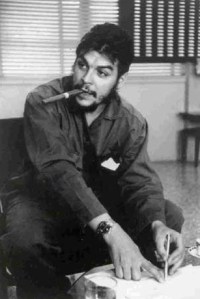 Prólogo al libro El partido marxista-leninista, publicado por la Dirección Nacional del Partido Unido de la Revolución Socialista de Cuba, La Habana, 1963.
Por Ernesto Che Guevara.
Este pequeño libro está destinado a iniciar a los militantes del Partido, en el amplio y riquísimo acervo de las ideas marxistas-leninistas.
La elección de los temas es simple y efectiva. Se trata de un capítulo del Manual de marxismo-leninismo de Otto V. Kuusinen y de una serie de discursos de Fidel Castro. La selección es buena porque en el capítulo del Manual de marxismo-leninismo se sintetiza la experiencia de los partidos hermanos y se da un esquema general de lo que debe ser y cómo debe actuar un partido marxista-leninista, y en la sucesión de discursos del compañero Fidel se ve desfilar la historia política de nuestros país a través de las palabras en algunos casos autobiográficos, del dirigente de la Revolución.
Las dos cosas están íntimamente ligadas, la teoría general como expresión de las experiencias del Partido Comunista de la Unión Soviética y de los partidos marxista-leninistas de toda la humanidad y la aplicación práctica de estas ideas generales a nuestras especiales características. De las peculiaridades que dan el marco al desarrollo de los acontecimientos sociales en esta región del mundo, no debe inferirse que existan excepciones históricas; simplemente, en el marco general de la teoría, hija de la experiencia, cabe el caso específico de la situación cubana que agrega nuevas experiencias al movimiento obrero del mundo.
El manual nos enseña con meridiana claridad qué es un partido marxista leninista: «personas fundidas por una comunidad de ideas que se agrupan para dar vida a las concepciones marxistas, es decir, para llevar a cabo la misión histórica de la clase obrera.» Explica además cómo un partido no puede vivir aislado de la masa, cómo debe estar en permanente contacto con ella, cómo debe ejercer la crítica y la autocrítica y ser muy severo con sus propios errores; cómo no debe basarse solamente en conceptos negativos de lucha contra algo, sino también en conceptos positivos de lucha por algo, cómo los partidos marxistas no pueden cruzarse de brazos esperando que las condiciones objetivas y subjetivas, formadas a través del complejo mecanismo de la lucha de clases, alcancen todos los requisitos necesarios para que el poder caiga en manos del pueblo como una fruta madura. Enseña el papel dirigente y catalizador de este partido, vanguardia de la clase obrera, dirigente de su clase, que sabe mostrarle el camino el triunfo y acelerar el paso hacia nuevas situaciones sociales. Insiste en que aún en los momentos de reflujo social, es necesario saber retroceder y mantener firmes los cuadros para apoyarse en la próxima ola y avanzar más lejos, hacia el fin fundamental del partido en la primera época revolucionaria, que es la obtención del poder.
Y es lógico que este partido lo sea de clase. Un partido marxista-leninista mal podría ser de otra manera; su misión es buscar el camino más corto para lograr la dictadura del proletariado y sus militantes más valiosos, sus cuadros dirigentes y su táctica salen de la clase obrera.
No puede concebirse que la construcción del socialismo se inicie con un partido de la clase burguesa, con un partido que tuviera entre sus integrantes una buena cantidad de explotadores y éstos fueran encargados de fijar su línea política. Evidentemente, una agrupación de ese tipo sólo puede dirigir la lucha en una etapa de liberación nacional, hasta ciertos niveles y en determinadas circunstancias. En el momento siguiente, la clase revolucionaria se convertiría en reaccionaria y se establecerían nuevas condiciones que obligarán a la aparición del partido marxista-leninista como dirigente de la lucha revolucionaria. Y ya, en América al menos, es prácticamente imposible hablar de movimientos de liberación dirigidos por la burguesía. La Revolución cubana ha polarizado fuerzas; frente al dilema pueblo o imperialismo, las débiles burguesías nacionales eligen el imperialismo y traicionan definitivamente a su país. Se pierde casi totalmente la posibilidad de que en esta parte del mundo se produzca un tránsito pacífico al socialismo.
Si el partido marxista-leninista es capaz de prever las etapas históricas a sobrevenir y es capaz de convertirse en bandera y vanguardia de un pueblo aún antes de haber liquidado la etapa de liberación nacional -tratándose de nuestros países colonizados- entonces ese partido habrá cumplido una doble misión histórica y podrá afrontar las tareas de la construcción del socialismo con más fuerza, con más prestigio entre las masas.
Luego vienen la experiencia cubana; experiencia rica por todo lo que tiene de nuevo, por todo lo que tiene de vigoroso en esta época de desarrollo de la revolución americana y también por lo rico en enseñanzas que son sus errores, analizados y corregidos públicamente, en contacto con las masa y ante el juicio de la opinión pública.
Particularmente importantes son los discursos del compañero Fidel referidos al Partido Unido de la Revolución Socialista y a los métodos de trabajo empleados en las ORI que marcan dos etapas fundamentales de nuestro desarrollo. En la primera se expresa la confusión franca de un revolucionario cabal que ha llegado al pináculo del camino ascendente de la evolución de su pensamiento y proclama sin dudas, ante el mundo, su profesión de marxista-leninista. Pero lo hace, no como una simple afirmación verbal, sino mostrando los rasgos, los hechos más salientes de la evolución del dirigente, de la evolución del movimiento y del Partido hacia una conjugación destinada a integrar el Partido Unido de la Revolución Socialista.
Analizándose a sí mismo, el compañero Fidel reconoce la cantidad de concepciones regresivas que el medio había inculcado en él; cuenta cómo instintivamente fue luchando contra esas concepciones y forjándose en la lucha, cuenta de sus dudas y explica el por qué de esas dudas y cómo se resolvieron.
Es esta etapa el Movimiento 26 de Julio constituía algo nuevo, muy difícil de definir; Fidel Castro, héroe del Moncada, prisionero de Isla de Pinos, entrena un grupo de expedicionarios que tiene como misión alcanzar las costas de Oriente, iniciar el incendio revolucionario de la provincia y separarla del resto de la isla en un primer momento o avanzar inconteniblemente, de acuerdo con las condiciones objetivas, hasta la propia Habana, en una sucesión de victorias más o menos sangrientas.
La realidad golpeó sobre nosotros; no estaban dadas todas las condiciones subjetivas necesarias para que aquel intento cristalizara, no se habían seguido todas las reglas de la guerra revolucionaria que después aprenderíamos con nuestra sangre y la sangre de nuestros hermanos en dos años de dura lucha. Fuimos derrotados y allí comenzó la más importante historia de nuestro movimiento. Allí se mostró su verdadera fuerza, su verdadero mérito histórico; nos dimos cuenta de los errores tácticos cometidos y de que faltaban algunos factores subjetivos importantes; el pueblo tenía conciencia de la necesidad de un cambio, faltaba la certeza de su posibilidad. Crearla era la tarea, y en la Sierra Maestra comienza el largo proceso que sirve de catalizador al movimiento entero de la Isla y que va provocando huracanes ininterrumpidos, incendios revolucionarios ininterrumpidos en todo el territorio.
Se empieza a demostrar con los hechos que el Ejército Revolucionario, con la fe y el entusiasmo del pueblo correctamente encaminados, en condiciones favorables para la lucha, puede ir aumentando su fuerza mediante el adecuado uso de las armas y destruir un día el ejército enemigo. Esa es una gran lección en nuestra historia. Antes de lograr el triunfo, ha ido cambiando la correlación de fuerzas hasta convertirse en inmensamente favorable al movimiento revolucionario; se han creado las condiciones subjetivas necesarias para realizar el cambio y provocado la crisis de poder esencial para el mismo. Se da una nueva experiencia revolucionaria a América, se demuestra cómo las grandes verdades del marxismo-leninismo se cumplen siempre; en este caso, que la misión de los dirigentes y de los partidos es la de crear todas las condiciones necesarias para la toma de poder y no convertirse en nuevos espectadores de la ola revolucionaria que va naciendo en el seno del pueblo.
Al mismo tiempo, al mostrar la necesidad de que los núcleos armados que defienden la soberanía popular están a cubierto de sorpresas, de ataques, de aniquilamientos, indica la importancia de que la lucha armada tenga por escenario los terrenos más favorables a la guerra de guerrillas, es decir, los lugares más accidentados de las zonas rurales. Ese es otro aporte de la Revolución a nuestra lucha de emancipación americana; del campo se va a la ciudad, de menos a mayor, creando el movimiento revolucionario que culmina en La Habana.
En otra parte Fidel expresa claramente: condición esencial del revolucionario es saber interpretar la realidad. Refiriéndose a la huelga de abril, explica cómo no supimos interpretarla en ese momento y por ello sufrimos una catástrofe. ¿Por qué se declara la huelga de abril? Porque había en el seno del movimiento una serie de contradicciones que nosotros llamamos de la Sierra y del Llano y que se hacía patentes a través del análisis de los elementos considerados fundamentales para decidir la luchas armada, los que eran diametralmente diferentes en cada una de las alas.
La Sierra estaba dispuesta a derrotar al ejército cuantas veces fuera necesario, ir ganándole batalla tras batalla, conquistando sus armamentos y llegar algún día a la toma total del poder sobre la base de su Ejército Rebelde. El Llano era partidario de la lucha armada general en todo el país con un epílogo de huelga general revolucionaria que expulsara a la dictadura batistiana y sentara la autoridad de los «civiles» como gobernantes convirtiendo al nuevo ejército «apolítico».
El choque de esta tesis es continuo y no es lo más adecuado para la unidad de mando que se requiere en momentos como éste. La huelga de abril es preparada y decretada por el Llano con la anuencia de la dirección de la Sierra que no se siente capaz de impedirla, aunque tiene serias dudas sobre su resultado y con las expresas reservas del PSP que advierte el peligro a tiempo. Los comandantes revolucionarios van al Llano para ayudarla y así Camilo Cienfuegos, nuestro inolvidable Jefe del Ejército, empieza a hacer sus primeras incursiones en la zona de Bayamo.
Estas contradicciones tiene una raíz más honda que las discrepancias tácticas: el Ejército Rebelde ya es ideológicamente proletario y piensa en función de clase desposeída; el Llano todavía sigue pequeño burgués, con futuros traidores en su dirección y muy influenciado por el medio en que se desenvuelve.
Era una lucha menos por el control interno, en el marco de la gran lucha revolucionaria por el poder. Los recientes acontecimientos de Argelia se explican claramente por analogía con la Revolución cubana: el ala revolucionaria no se deja desplazar del poder y lucha conquistándolo íntegro, el Ejército de Liberación es el representante genuino de la revolución que triunfa.
Los choques se suceden periódicamente y solamente se logra la unidad de mando (todavía no acatada por todos, sin embargo) cuando Fidel es nombrado Primer Ministro, algunos meses después de logrado el triunfo de la Revolución. Hasta ese momento ¿qué habíamos hecho?; habíamos adquirido, como dijera Fidel, el derecho a empezar. Sólo habíamos culminado una etapa que se basaba en la lucha a muerte contra el sistema establecido en Cuba, representado en el dictador Batista, pero el hecho de seguir consecuentemente una línea revolucionaria tendente a mejorar el estado de nuestra sociedad y liberarla lo más posible de todas la trabas económicas, nos llevaba por fuerza a una lucha frontal con el imperialismo.
Para el desarrollo y profundización de nuestra ideología el imperialismo ha sido un factor muy importante; cada golpe que nos daba precisaba una respuesta; cada vez que reaccionaban los yanquis, con su soberbia habitual, tomando alguna medida contra Cuba, nosotros teníamos que tomar la contramedida necesaria y de esta manera iba profundizándose la Revolución.
El Partido Socialista Popular entraba en este frente y los compañeros de vieja militancia revolucionaria y los compañeros que llegaban al poder a través de la luchas en la Sierra empezaban una tarea de fusión. Ya en ese momento Fidel advertía contra algunos peligros del sectarismo y criticaba al que restregara en la nariz de otros los 15 o 20 años de militancia y el sectarismo de las barbas en la Sierra o del tiratiros de la ciudad.
En la época de la lucha armada había un grupo de compañeros que trataban de defender al movimiento del aparente caudillismo del compañero Fidel y cometieron el mismo error, que se repitiera después en la época del sectarismo, de confundir los grandes méritos del dirigente, los grandes méritos del líder de la Revolución y sus innegables dotes de mando, con el individuo cuya única preocupación era asegurarse el apoyo incondicional de los suyos y establecer un sistema de caudillaje. Fue una lucha de principios falsos llevada por un grupo de compañeros, lucha que no terminó siquiera el primer de enero o el momento en que Fidel asumiera el cargo de Primer Ministro, sino mucho después, cuando el ala derecha del 26 de Julio era destrozada. Así cayeron, por oponerse a la voluntad popular, Urrutia, Miró Cardona, Ray, Hubert Matos, David Salvador y tantos otros traidores.
Surge, después de la victoria total contra el ala derecha, la necesidad de estructurar un partido: el Partido Unido de la Revolución, exponente del marxismo leninismo en las condiciones de Cuba.
Debiera ser un organismo ligado a las masas y por cuadros estrictamente seleccionados, de una organización centralizada y elástica a la vez y, para todo ello, confiábamos ciegamente en la autoridad ganada en muchos años de lucha por el Partido Socialista Popular, haciendo dejación casi total de nuestros criterios organizativos. De esta manera se fueron creando una serie de condiciones para que madurara el fruto del sectarismo.
En el proceso de estructuración, el compañero Aníbal Escalante se encargaba de la organización y comenzaba una etapa negra aunque, felizmente, muy corta, de nuestro desarrollo. Se erraba en los métodos de dirección; el Partido perdía sus cualidades esenciales de ligazón a las masas, del ejercicio del centralismo democrático y del espíritu de sacrificio. Recurriendo a veces, a verdaderos malabarismos se colocaban gentes sin experiencia y sin méritos en lugares dirigentes, por el hecho de haberse acomodado a la situación imperante.
Las ORI pierden su función de motor ideológico -y de control de todo el aparato productivo a través de esta función- y pasa a ser un aparato administrativo; en estas condiciones, los llamados de alerta que debían venir de las provincias, explicando la serie de problemas que allí existían, se perdían, porque quienes debían analizar el trabajo de los funcionarios administrativos eran precisamente los dirigentes del núcleo que cumplían una doble función de partido y de administración pública.
La etapa de los conceptos equivocados, de las equivocaciones garrafales y de los trasplantes mecánicos ha finalizado, afortunadamente. Las viejas bases en que se fundara este engendro sectario se han roto.
Frente a los interrogantes, la decisión de la Dirección Nacional presidida por Fidel fue volver a las masas, recurrir a las masas, y así se estableció el sistema de consulta de todos los centros de trabajo para la elección de los obreros ejemplares por la masa, la posibilidad de ser seleccionados para integrar los Núcleos del Partido, de un partido íntimamente unido a ellas.
Como parte de los cambios del Partido se reformó el sistema de educación, premiando con ella, no como en momentos pasados, a los amigos, a los «claros», a los «bachilleres del marxismo», sino a los mejores trabajadores, a los hombres que han demostrado con su actitud frente a la Revolución, con su trabajo diario y su entusiasmo y espíritu de sacrificio las superiores dotes de miembro del partido dirigente.
De acuerdo con eso se han cambiado todos los criterios y empieza una nueva época de vigorización del Partido y de los métodos. Se abre ante nosotros un amplio y luminoso camino de construcción socialista en la que al Partido le toca la tarea de conducción. Esa conducción no será la de la orden mecánica y burocrática, la del control estrecho y sectario, la del mandar hacer, la del consejo que debe seguirse en cuanto a expresión verbal y no por constituir un ejemplo vivo, la del privilegio de las ideas o de la historia pasada.
El partido del futuro estará íntimamente unido a las masas y absorberá de ellas las grandes ideas que después se plasmarán en directivas concretas; un partido que aplicará rígidamente su disciplina de acuerdo con el centralismo democrático y, al mismo tiempo, donde existan, permanentes, la discusión, la crítica y la autocrítica abiertas, para mejorar el trabajo continuamente. Será en esta etapa un partido de cuadros, de los mejores, y éstos deberán cumplir su tarea dinámica de estar en contacto con el pueblo, transmitir las experiencias hacia las esferas superiores, transmitir a las masas las directivas concretas y ponerse en marcha al frente de éstas. Primeros en el estudio, primeros en el trabajo, primeros en el entusiasmo revolucionario, primeros en el sacrificio; en todo momento los más buenos, más puros, más humanos que todos los otros, deben ser los cuadros de nuestro partido.
Porque hay que recordar siempre que el marxista no es una máquina automática y fanática dirigida, como un torpedo, mediante un servomecanismo hacia un objetivo determinado. De este problema se ocupa expresamente Fidel en una de sus intervenciones: «¿Quién ha dicho que el marxismo es la renuncia de los sentimientos humanos, al compañerismo, al amor al compañero, al respeto al compañero, a la consideración al compañero? ¿Quién ha dicho que el marxismo es no tener alma, no tener sentimientos? Si precisamente fue el amor al hombre lo que engendró el marxismo, fue el amor al hombre, a la humanidad, el deseo de combatir la desdicha del proletariado, el deseo de combatir la miseria, la injusticia, el calvario y toda la explotación sufrida por el proletariado, lo que hace que de la mente de Carlos Marx surja el marxismo cuando precisamente podía surgir el marxismo, cuando precisamente podía surgir una posibilidad real y más que una posibilidad real, la necesidad histórica de la Revolución social de la cual fue intérprete Carlos Marx. Pero, ¿qué lo hizo ser ese intérprete sino el caudal de sentimientos humanos de hombres como él, como Engels, como Lenin?»
Esta apreciación de Fidel es fundamental para el militante del nuevo partido, recuérdenlo siempre, compañeros, grábenselo en la memoria como su arma más eficaz contra todas las desviaciones. El marxista debe ser el mejor, el más cabal, el más completo de los seres humanos pero, siempre, por sobre todas las cosas, un ser humano; un militante de un partido que vive y vibra en contacto con las masas; un orientador que plasma en directivas concretas los deseos a veces oscuros de la masa; un trabajador incansable que entrega todo a su pueblo; un trabajador sufrido que entrega sus horas de descanso, su tranquilidad personal, su familia o su vida a la Revolución, pero nunca es ajeno al calor del contacto humano.
En el terreno internacional nuestro Partido tendrá deberes importantísimos; como el primer país socialista de América, un ejemplo a seguir por otros países, una experiencia viva para se captada por los demás partidos hermanos; una experiencia viviente, repetida y cambiante, que muestra a la luz del conocimiento público todos sus aciertos y sus errores. En esta forma su ejemplo es más didáctico y no tiene la aspiración de ser elevado solamente ante quienes han hecho profesión de fe del marxismo-leninismo, sino ante las masas populares de América.
La Segunda Declaración de La Habana es una guía para el proletariado, el campesinado y los intelectuales revolucionarios de América; nuestra propia actitud será guía permanente. Debemos ser dignos de ese lugar que tenemos, debemos trabajar todos los días pensando en nuestra América y fortalecer más y más las bases de nuestro estado, su organización económica y su desarrollo político, para poder también, al mismo tiempo que nos superamos internamente, convencer más y más a los pueblos de América de la posibilidad práctica de iniciar el camino del desarrollo socialista, en la etapa actual de correlación de fuerzas internacionales.
Todo esto sin olvidarnos de que nuestra capacidad emocional frente a los desmanes de los agresores y los sufrimientos de los pueblos, no puede estar limitada al marco de América, ni siquiera al marco de América y los países socialistas juntos; debemos practicar el verdadero internacionalismo proletario, recibir como afrenta propia toda agresión, toda afrenta, todo acto que vaya contra la dignidad del hombre, contra su felicidad en cualquier lugar del mundo.
Nosotros, militantes de un partido nuevo, en una nueva región liberada del mundo y en nuevas situaciones, debemos mantener siempre en alto la misma bandera de dignidad humana que alzara nuestro Martí, guía de muchas generaciones, presente hoy con su frescura de siempre en la realidad de Cuba: «Todo hombre verdadero debe sentir en la mejilla el golpe dado a cualquier mejilla de hombre.»
 Ελληνικό Αρχείο Τσε Γκεβάρα © Guevaristas