
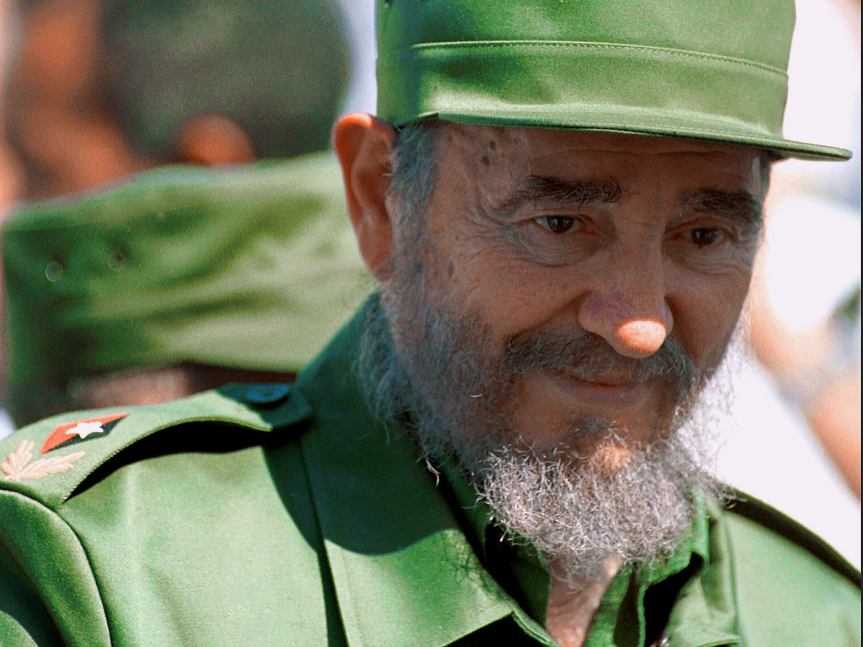
Por Nikos Mottas
«El socialismo es y será la esperanza, la única esperanza, el único camino para los pueblos, los oprimidos, los explotados, los saqueados. El socialismo es la única alternativa».
— Fidel Castro Ruz
Un siglo después del nacimiento de Fidel Castro Ruz, el 13 de agosto de 1926, el odio dirigido contra él apenas ha disminuido. Casi diez años después de su muerte, el mismo vocabulario continúa repitiéndose con notable persistencia: «dictador», «tirano», «totalitario». Fidel es vilipendiado, la Revolución Cubana es calumniada, sus conquistas son negadas o relegadas a incómodas notas al pie, mientras la Cuba que existía antes de enero de 1959 es cuidadosamente apartada de la escena.
Hay algo muy revelador en esta persistencia. El mundo burgués no se pasa décadas combatiendo fantasmas inofensivos. Lo que los enemigos de Fidel no pueden soportar no es simplemente el recuerdo de un gigante revolucionario, sino aquello que la Revolución Cubana demostró en la práctica: que la propiedad capitalista no es eterna, que la dominación imperialista puede quebrarse y que el poder político puede pasar a manos de fuerzas decididas a reorganizar la sociedad en función de las necesidades del pueblo trabajador y no de la rentabilidad del capital.
El camino revolucionario se abrió el 26 de julio de 1953, cuando un grupo de jóvenes rebeldes encabezados por Fidel, que entonces tenía 26 años, atacó el Cuartel Moncada en Santiago de Cuba para golpear a la dictadura de Fulgencio Batista. La operación fracasó militarmente. Muchos de los revolucionarios fueron asesinados después de ser capturados, mientras Fidel fue detenido, juzgado y encarcelado. Sin embargo, el Moncada se convirtió en el punto de partida político del proceso que, menos de seis años después, derrocaría a Batista y cambiaría el curso de la historia cubana.
Fue durante su juicio cuando Fidel pronunció el alegato de defensa cuyas palabras finales quedarían para siempre unidas a su nombre: «Condenadme, no importa, la historia me absolverá». Eran las palabras desafiantes de un joven revolucionario ante los tribunales de la dictadura, pero expresaban algo más profundo: la convicción de que el pueblo cubano podía dejar de ser objeto de la dominación extranjera y de la explotación capitalista para convertirse en artífice consciente de su propia historia.
La victoria de enero de 1959 no significó simplemente la sustitución de un gobierno por otro. Si Batista hubiera sido reemplazado por un administrador más respetable del mismo orden social, Washington habría podido convivir con ello. La dictadura nunca había inquietado a Estados Unidos mientras los intereses capitalistas y su dominación estuvieran garantizados.
La Revolución hizo algo radicalmente distinto. La Reforma Agraria golpeó a los grandes terratenientes. Las nacionalizaciones enfrentaron a los monopolios extranjeros y a la burguesía cubana. Los sectores fundamentales de la economía fueron pasando progresivamente de la propiedad capitalista a manos del nuevo poder. Cuba rompió las cadenas de dependencia que la habían atado económica y políticamente a Estados Unidos y abrió el camino hacia la construcción socialista. Allí estuvo la verdadera ruptura.
Antes de la Revolución, Cuba era formalmente independiente, pero se encontraba económicamente subordinada. El azúcar dominaba una economía fuertemente dependiente del capital extranjero. Los grandes latifundios coexistían con una profunda pobreza rural. La Habana se vendía al exterior bajo el brillo de los casinos, los hoteles de lujo, la prostitución y el crimen organizado, mientras detrás de aquella fachada existía otra Cuba: desempleo, analfabetismo, viviendas miserables y profundas desigualdades de clase.
Batista torturaba y asesinaba a sus opositores políticos, pero Washington seguía siendo su aliado. La cuestión decisiva nunca fue una «democracia» abstracta. Era una cuestión de intereses de clase. Batista defendía la propiedad capitalista y la dominación estadounidense; la Revolución desafió ambas.
Por eso la Cuba prerrevolucionaria debe desaparecer del relato anticomunista. En cuanto vuelve a ocupar su lugar en la historia, surgen preguntas imposibles de eludir: ¿Quiénes perdieron latifundios, monopolios, privilegios y poder político después de 1959? ¿Y quiénes conquistaron escuelas, hospitales, tierra, derechos sociales y soberanía?
Las conquistas que siguieron no fueron milagros ni regalos concedidos desde arriba por un dirigente excepcional. Tenían sus raíces en el propio cambio de poder. El analfabetismo masivo fue prácticamente erradicado. La educación se convirtió en un derecho social universal. Se creó un sistema nacional de salud pública. Cuba formó generaciones de médicos, maestros, científicos, ingenieros y otros profesionales en una escala extraordinaria para un país de su tamaño. Las mujeres se incorporaron a la vida económica, política y social en proporciones incomparablemente mayores, mientras la ciencia, la cultura y el deporte se abrieron a las amplias masas populares.
El socialismo no eliminó por decreto las contradicciones, los errores ni las deformaciones burocráticas. Ningún comunista serio afirmaría semejante cosa. Lo que la experiencia cubana demostró fue algo mucho más importante: cuando la ganancia privada dejó de ser el criterio supremo, la sociedad pudo dirigir enormes recursos humanos y materiales hacia necesidades que el capitalismo ignora sistemáticamente.
El internacionalismo cubano se convirtió en una de las expresiones más elevadas de esta nueva moral social. En él puede reconocerse algo de lo que el Che Guevara quiso expresar cuando habló de la formación del «hombre nuevo»: no un individuo moldeado por la competencia y la acumulación privada, sino un participante consciente en la lucha colectiva, la solidaridad y la construcción socialista.
Personal médico cubano viajó a Chile después del devastador terremoto de 1960 y, tres años más tarde, a la recién independizada Argelia. Durante las décadas siguientes, médicos, enfermeros, maestros y otros especialistas recorrieron América Latina, África y Asia, llegando con frecuencia a lugares donde el capital no veía posibilidad alguna de obtener ganancias.
Ese internacionalismo también empuñó las armas cuando la historia lo exigió. En Angola, los internacionalistas cubanos cruzaron el Atlántico no para adquirir colonias, apoderarse de minas u obtener concesiones para corporaciones cubanas, sino para ayudar a un pueblo que combatía una agresión respaldada por la Sudáfrica del apartheid. Su sangre fue derramada a miles de kilómetros de La Habana en una lucha cuyos golpes se sintieron desde Angola y Namibia hasta los propios cimientos del apartheid.
Aquí, el contraste con el imperialismo adquiere una claridad casi brutal. El rastro histórico del imperialismo estadounidense está sembrado de golpes de Estado, invasiones, guerras por intermediarios, operaciones de asesinato, dictaduras reaccionarias y estrangulamiento económico contra pueblos que se atrevieron a rechazar la sumisión. Sus tentáculos se han extendido por toda América Latina y mucho más allá: un pulpo imperialista que envuelve países enteros con bases militares, monopolios, coerción financiera e intervención política mientras habla, invariablemente, en nombre de la «libertad».
Cuba cometió el crimen imperdonable de cortar esos tentáculos.
Durante más de seis décadas, Estados Unidos ha impuesto al heroico pueblo cubano un bloqueo económico, comercial y financiero: una política genocida de guerra económica destinada a agotar a toda una sociedad, sembrar penurias y crear las condiciones para derrotar a la Revolución desde dentro. Han cambiado los presidentes, han variado las tácticas y determinadas medidas se han endurecido o flexibilizado, pero el objetivo estratégico ha permanecido intacto.
El bloqueo no es una abstracción ni una excusa universal. Sus consecuencias penetran en los hospitales, las fábricas, las centrales eléctricas y los hogares cubanos. Obstaculiza el acceso a financiación, medicamentos, tecnología, combustible, maquinaria y piezas de repuesto; su carácter extraterritorial amenaza a bancos, navieras y empresas situadas a miles de kilómetros de Cuba. El cálculo que lo sustenta es tan cínico como sencillo: hacer la vida suficientemente insoportable para que, tal vez, el sufrimiento consiga aquello que la invasión, el sabotaje y el aislamiento político no lograron.
Sin embargo, los marxistas no necesitan explicar cada dificultad de Cuba únicamente a través del bloqueo. Han existido debilidades burocráticas, errores de planificación, medidas ineficaces, baja productividad y otras contradicciones internas que deben ser afrontadas. La construcción socialista no avanza únicamente mediante elogios, y la crítica dirigida a corregir debilidades resulta indispensable. Pero eso no tiene nada que ver con la «crítica» de quienes prescriben siempre la misma cura para todos los problemas cubanos: desmantelar el socialismo, restaurar la propiedad capitalista y devolver la isla al abrazo del capital estadounidense.
La prueba histórica más dura de la Revolución llegó con el derrocamiento contrarrevolucionario del socialismo en la Unión Soviética y Europa del Este. Cuba perdió casi de la noche a la mañana sus principales relaciones económicas y entró en el devastador Período Especial. La producción se desplomó, escaseó el combustible, el transporte se deterioró y las carencias se agravaron. Washington, Miami y buena parte de la prensa burguesa comenzaron a preparar el obituario de la Revolución.
Se apresuraron.
El pueblo cubano soportó enormes sacrificios, pero la restauración capitalista no llegó. Un pequeño país socialista, situado apenas a noventa millas de la potencia imperialista más poderosa del planeta y privado de repente del marco económico internacional del que dependía buena parte de su economía, permaneció en pie. El imperialismo esperaba que la Revolución Cubana quedara sepultada bajo los escombros de la URSS.
Más de tres décadas después, todavía sigue esperando.
Es sobre este trasfondo donde la dimensión histórica de Fidel Castro aparece con toda su magnitud. La Revolución Cubana no fue obra de un solo hombre. Las revoluciones las hacen las masas, mediante la lucha organizada y bajo condiciones históricas concretas. Pero negar el papel excepcional de Fidel sería tan absurdo como reducir la Revolución a su personalidad.
Se convirtió en uno de los gigantes del movimiento revolucionario del siglo XX no porque la historia le hubiera otorgado alguna cualidad mística, sino porque su vida llegó a ser inseparable de una revolución que derrocó a Batista, enfrentó a la burguesía cubana y al imperialismo estadounidense, defendió el poder socialista en medio de pruebas extraordinarias y colocó a una pequeña isla del Caribe del lado de los pueblos que luchaban contra el colonialismo, el apartheid y la dominación imperialista en todo el mundo.
Fidel tampoco necesita ser convertido en santo. El marxismo no necesita santos. Cometió errores; la Revolución cometió errores. Se corrigieron políticas, fracasaron experimentos y en ocasiones se subestimaron contradicciones. La cuestión histórica decisiva no consiste en determinar si hubo errores, sino en saber contra qué intereses de clase se combatía, qué poder se defendía y en qué dirección luchaba por avanzar la sociedad cubana.
Esa cuestión sigue siendo decisiva hoy.
Cuba enfrenta graves dificultades. La escasez, la inflación, la emigración, el deterioro de las infraestructuras y los prolongados cortes eléctricos pesan duramente sobre su pueblo. Las grandes conquistas de décadas anteriores no pueden sustituir las soluciones a los problemas del presente. El poder socialista debe enfrentar estas contradicciones, mejorar la planificación, liberar la iniciativa de los trabajadores y del pueblo y resistir todo camino que conduzca hacia la restauración capitalista.
Y aquí, una vez más, la línea de clase es inequívoca. Washington no busca un socialismo «mejor» en Cuba. Tampoco reclama simplemente una reforma administrativa. Su objetivo es revertir 1959: restaurar la propiedad capitalista y el poder burgués, y devolver a Cuba a la órbita económica y política del imperialismo estadounidense.
Por eso Fidel continúa provocando tanta hostilidad.
El verdadero enemigo nunca fue simplemente un revolucionario barbudo nacido en Birán. Fue, y sigue siendo, el ejemplo mismo de la Revolución Cubana: la prueba de que las clases explotadoras pueden perder el poder, de que la propiedad capitalista puede ser expropiada, de que el imperialismo puede ser desafiado y de que un pueblo considerado pequeño y prescindible puede negarse a ocupar el lugar que los poderosos le han asignado.
Eso es lo que se esconde detrás de los interminables sermones sobre la «dictadura de Castro». Los trabajadores no deben preguntarse cómo era Cuba antes de 1959. No deben preguntarse qué clases perdieron su riqueza y sus privilegios, por qué Washington abrazó a Batista pero trató de destruir a la Cuba revolucionaria, ni por qué generaciones de gobiernos estadounidenses han considerado a una pequeña isla caribeña un enemigo tan intolerable.
Sobre todo, no deben formular la pregunta más peligrosa de todas: ¿Qué podría lograr la humanidad si las inmensas fuerzas productivas creadas por el trabajo pertenecieran a quienes producen la riqueza de la sociedad y estuvieran organizadas para satisfacer las necesidades humanas en lugar de enriquecer a una minoría?
Marx puso al descubierto la contradicción fundamental de una sociedad en la que quienes crean la riqueza no la controlan. Cuba se atrevió a trasladar esa crítica desde las páginas de la teoría al terreno donde, en última instancia, se decide toda cuestión revolucionaria: la cuestión del poder.
Fidel Castro contribuyó a colocar esa cuestión ante la historia.
Cuando estuvo ante el tribunal de Batista después del Moncada y declaró que la historia lo absolvería, ni él ni sus jueces podían saber todo lo que vendría después. Batista caería. Los mercenarios de Playa Girón serían derrotados. Cuba proclamaría el carácter socialista de su Revolución. Los internacionalistas cubanos se enfrentarían a las fuerzas del apartheid en África. Médicos y maestros, sin más armas que el conocimiento y la solidaridad, recorrerían continentes. La Unión Soviética desaparecería, y la Cuba socialista seguiría en pie.
La historia no dicta sentencias como un tribunal burgués. Tampoco absuelve a los revolucionarios de todos sus errores. Su juicio se escribe en los intereses por los que lucharon, en los enemigos a los que enfrentaron, en las transformaciones que ayudaron a realizar y en las posibilidades que su lucha abrió para quienes vinieron después.
Vista así, la respuesta al desafío que Fidel lanzó a sus jueces llegó hace mucho tiempo.
Su centenario no debe ser, por tanto, un ejercicio de nostalgia ni una ocasión para transformar a un revolucionario en una inofensiva estatua de bronce. Fidel no pertenece a un museo, sino a la historia viva de la lucha entre explotación y emancipación, entre imperialismo y soberanía, entre capitalismo y socialismo.
Cien años después de su nacimiento, el coloso imperialista que durante más de seis décadas ha intentado poner de rodillas a Cuba todavía no ha conseguido su objetivo. La isla no ha regresado a la Cuba de los casinos, los latifundios y los amos extranjeros. Pese al sufrimiento, las contradicciones y un cerco económico de extraordinaria duración y crueldad, la restauración capitalista no ha prevalecido.
Ahí reside el odio persistente de la burguesía. Y ahí reside también la lección para la clase obrera y los pueblos del mundo.
Fidel Castro fue condenado por los tribunales de Batista, perseguido por el imperialismo y vilipendiado durante décadas por sus apologistas. Un siglo después de su nacimiento, la causa a la que entregó su vida permanece inconclusa, asediada y viva en suelo cubano. El gigante se ha ido, pero la Revolución que lo forjó —y que él contribuyó a forjar— perdura y seguirá existiendo.
¡La historia lo ha absuelto!
* Nikos Mottas es el redactor jefe de En Defensa del Comunismo.
Traducido del original: Fidel Castro at 100: History Has Absolved Him!
 Ελληνικό Αρχείο Τσε Γκεβάρα © Guevaristas