
Συντάκτης: Guevaristas
Ο Σοσιαλισμός και ο άνθρωπος στην Κούβα (Μέρος Πρώτο)
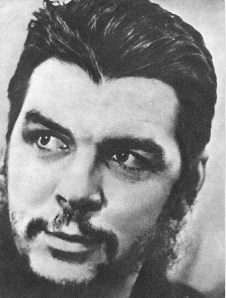 Του Ερνέστο Γκεβάρα.
Ακούμε συνήθως από το στόμα των πληρεξούσιων των καπιταλιστών αυτή την ιδεολογική μορφή ότι η περίοδος της οικοδόμησης του σοσιαλισμού που αναλάβαμε χαρακτηρίζεται από τη θυσία του ατόμου στο βωμό του Κράτους. Δεν θα προσπαθήσω να ανασκευάσω αυτό το επιχείρημα βασιζόμενος μόνο σε θεωρίες, αλλά θα αποκαταστήσω τα γεγονότα όπως πράγματι συμβαίνουν στην Κούβα, προσθέτοντας συμπληρωματικές επεξηγήσεις.
Κατ’ αρχήν θα σκιαγραφήσω σε γενικές γραμμές την ιστορία του επαναστατικού μας κινήματος πριν και μετά την κατάκτηση της εξουσίας. Την 26η Ιουλίου του 1953 ξέσπασαν οι επαναστατικοί αγώνες που τέλειωσαν με την Επανάσταση της 1ης του Γενάρη του 1959. Μια ομάδα αντάρτες οδηγούμενη από τον Φιντέλ Κάστρο επετέθη την αυτή εκείνης της μέρας στο στρατώνα της Μονκάντα στην ανατολική επαρχία. Η επίθεση στάθηκε μια αποτυχία. Η αποτυχία μεταβλήθηκε σε καταστροφή, οι επιζήσαντες ξαναβρέθηκαν στη φυλακή, αλλά μόλις αμνηστεύτηκαν ξανάρχισαν την επαναστατική δράση.
Στη διάρκεια αυτής της διεργασίας όπου ο σοσιαλισμός δεν βρισκόταν παρά εν δυνάμει, ο άνθρωπος ήταν ένας βασικός συντελεστής. Σ’ αυτόν, μοναδική ύπαρξη, μ’ ένα όνομα κι ένα επίθετο, στηριζόταν η εμπιστοσύνη και από την αγωνιστική του επιδεξιότητα εξαρτιόταν η επιτυχία ή η αποτυχία του αγώνα. Έπειτα ήρθε η περίοδος του αντάρτικου. Αυτό αναπτύχθηκε σε δύο διαφορετικά περιβάλλοντα, το λαό, μάζα ακόμα αποκοιμισμένη που έπρεπε να κινητοποιηθεί και την πρωτοπορία του, τους γκουεριλλιέρος, που εκπροσωπούσαν την επαναστατική συνείδηση και την ενθουσιώδη μαχητικότητα.
Αυτή η πρωτοπορία, στάθηκε ο μεσάζων καταλύτης που δημιούργησε τις αντικειμενικές αναγκαίες συνθήκες για τη νίκη. Και με την προϋπόθεση πως κάναμε δικά μας τα ιδανικά του προλεταριάτου, γινόταν κατά συνέπεια και μια επανάσταση στις συνήθειες και στο πνεύμα μας. Εξακολουθούσε λοιπόν το άτομο να είναι πάντα ένας βασικός συντελεστής.
Κάθε αγωνιστής της Σιέρρα Μαέστρα που είχε πάρει ένα ανώτερο βαθμό στις επαναστατικές δυνάμεις, είχε στο ενεργητικό του ένα μεγάλο αριθμό ανδραγαθημάτων. Στη διάρκεια αυτής της πρώτης ηρωικής περιόδου συνέβαινε να τσακώνονται για το ποιός θα αναλάβει τις πιο υπεύθυνες και πιο επικίνδυνες αποστολές, χωρίς καμιά άλλη ικανοποίηση παρά την εκπλήρωση του καθήκοντος.
Στις εργασίες μας για την επαναστατική εκπαίδευση επανερχόμαστε συχνά σ’ αυτό το πολύ διδακτικό γεγονός. Η συμπεριφορά των συναγωνιστών μας έδειχνε ήδη τον μελλοντικό άνθρωπο. Η ολοκληρωτική προσφορά στον αγώνα επαναλήφτηκε σε πολλές περιπτώσεις στην ιστορία μας. Κατά την κρίση του Οκτώβρη και κατά το ξέσπασμα του κυκλώνα «Φλόρα» είδαμε πράξεις θαυμαστές, πράξεις θάρρους και θυσίας από έναν ολόκληρο λαό.
Μια από τις βασικές μας προσπάθειες, από ιδεολογική άποψη, είναι να βρούμε τον τρόπο που θα διαιωνίσει αυτή την ηρωική συμπεριφορά και στην καθημερινή ζωή. Τον Γενάρη του 1959 συγκροτήθηκε η επαναστατική κυβέρνηση με τη συμμεροχή διαφόρων μελών της αντιδραστικής αστικής τάξης. Η παρουσία του αντάρτικου στρατού, δυναμικού παράγοντα, εγγυόταν για την εξουσία. Αλλά αμέσως ξεπήδησαν σοβαρές αντιθέσεις που ξεπεράστηκαν εν μέρει, όταν το Φλεβάρη του 1959 ανάλαβε τη διεύθυνση της κυβέρνησης ο Φιντέλ Κάστρο σαν πρωθυπουργός. Αυτά τα γεγονότα έμελλαν να καταλήξουν τον Ιούλιο του ίδιου χρόνου στην παραίτηση του προέδρου Ουρούσια κάτω από την πίεση της μάζας. Έτσι θα εμφανιστεί καθαρά στην ιστορία ης Κουβανέζικης Επανάστασης συστηματικά η μάζα.
Μια σωστή ερμηνεία των επιθυμιών του λαού
Αυτή η ύπαρξη με τις πολυάριθμες μορφές δεν είναι , όπως ισχυρίζονται ένα σύνολο ομοιόμορφων στοιχείων, που δρουν σαν υπάκουο κοπάδι (ορισμένα καθεστώτα το μεταβάλλον σ’ αυτό). Είναι αλήθεια πως ακολουθεί χωρίς δισταγμό τους αρχηγούς του, κυρίως τον Φιντέλ Κάστρο. Αλλά ο βαθμός της εμπιστοσύνης που αυτός κέρδισε, ανταποκρίνεται ακριβώς, στη σωστή ερμηνεία των επιθυμιών και των προσδοκιών του λαού και στον ειλικρινή αγώνα που έδωσε για την πραγματοποίηση των υποσχόμενων.
Οι μάζες συμμετείχαν στην αγροτική μεταρρύθμιση και στην δύσκολη προσπάθεια της διοίκησης των κρατικών επιχειρήσεων. Έζησαν την πλούσια ηρωική πείρα του Πλάγια Γιρόν και σφυρηλατήθηκαν στις μάχες κατά των διαφόρων ένοπλων συμμοριών της CIA. Έζησαν ακόμη, μια από τις πλέον σημαντικές στιγμές της σύγχρονης ιστορίας, κατά την κρίση του Οκτώβρη και συνεχίζουν σήμερα να εργάζονται για την οικοδόμηση του σοσιαλισμού.΄
Με την πρώτη ματιά θα μπορούσε κανείς να πιστέψει αυτούς που μιλούν για την υποδούλωση του ατόμου στο Κράτος. Οι μάζες εκτελούν μ’ έναν ενθουσιασμό και ασύγκριτη πειθαρχία, τις προσπάθειες που καθορίζει η κυβέρνηση είτε για οικονομικές εντολές πρόκειται ή μορφωτικές αμυντικές, αθλητικές κλπ. Η πρωτοβουλία προέρχεται γενικά από τον Φιντέλ και από την Ανώτατη διοίκηση της Επανάστασης που ο λαός την κάνει δική του αφού του την εξηγήσουν. Κατά καιρούς γίνονται τοπικά πειράματα από το Κόμμα και την Κυβέρνηση για να γενικευτούν μετά, με την ίδια διαδικασία.
Παρ’ όλα αυτά το Κράτος κάποτε γελιέται. Όταν σφάλει κάπου, παρατηρείται αμέσως η έλλειψη ενθουσιασμού των μαζών, με την πτώση της δραστηριότητα του καθενός και η εργασία παραλύει ως που μειώνεται στο ελάχιστο. Εκείνη τη στιγμή η μέθοδος αλλάζει. Αυτό ακριβώς συνέβη το Μάρτη του 1962 με την αιρετική (σεχταριστική) πολιτική που επέβαλε ο Άνιμπαλ Εσκαλάντε.
Η διαλεκτική ενότητα μεταξύ Φιντέλ και μαζών
Είναι φανερό πως αυτός ο μηχανισμός δεν αρκεί για να εδραιωθούν αποτελεσματικές αποφάσεις και ότι λείπει ένας πιο στέρεος σύνδεσμος με τις μάζες. Οφείλουμε να τον τελειοποιήσουμε στα προσεχή χρόνια, αλλά για τις πρωτοβουλίες που έρχονται από τα ανώτερα στρώματα της κυβέρνησης, χρησιμοποιούμε, για την ώρα, τη μέθοδο σχεδόν της διαίσθησης, που συνίσταται στο να ακροώμεθα τις γενικές αντιδράσεις στα προβλήματα που παρουσιάζονται. Ο Φιντέλ είναι ένας μετρ του είδους και δεν μπορεί να εκτιμηθεί ο ιδιαίτερος τρόπος που ταυτίζεται με το λαό παρά μόνο βλέποντάς τον στην πράξη. Στις μεγάλες δημόσιες συγκεντρώσεις παρατηρείται ένα φαινόμενο ανάλογο με την αντήχηση δύο διαπασών. Ο Φιντέλ και ο λαός αρχίζουν να πάλλονται σ’ ένα διάλογο μιας ανιούσας έντασης, ώσπου φτάνουν στο απόγειο με την τελική κραυγή για τον αγώνα και τη νίκη μας. Αυτό που είναι δύσκολο να καταλάβει κάποιος που δεν ζει την εμπειρία της Επανάστασης, είναι αυτή η στενή διαλεκτική που υφίσταται, ανάμεσα σε κάθε άτομο και τη μάζα, είναι η αμοιβαία επιρροή μεταξύ της μάζας και των ιθυνόντων της.
Στην καπιταλιστική κοινωνία μπορούν να παρατηρηθούν μερικά φαινόμενα τέτοιου τύπου, όταν εμφανιστούν πολιτικοί άντρες ικανοί να προκαλέσουν το λαϊκό ξεσηκωμό. Αλλά τότε δεν πρόκειται για ένα αυθεντικό κοινωνικό κίνημα και το κίνημα δεν θα διαρκέσει παρά το διάστημα που θα ζήσει αυτός που δίνει την παρόρμηση, ή ως το τέλος των λαϊκών ψευδαισθήσεων, που υποβάλλονται από την καπιταλιστική κοινωνία. Σ’ αυτήν, ο άνθρωπος κατευθύνεται από ένα σκληρό νόμο, που συνήθως, δεν έχει καμιά σχέση με την κατανόηση. Το αλλοτριωμένο άτομο είναι δεμένο με το κοινωνικό σύνολο από έναν αόρατο ομφάλιο λώρο: τον νόμο των αξιών. Αυτός επιδρά σε όλες τις μορφές της ζωής του και ρυθμίζει το πεπρωμένο του.
Οι αόρατοι νόμοι του καπιταλισμού
Οι τυφλοί νόμοι του καπιταλισμού, αόρατοι για τους περισσότερους ανθρώπους, επιδρούν πάνω στο άτομο χωρίς αυτό να το αντιλαμβάνεται. Δεν βλέπει παρά έναν απέραντο ορίζονται που του φαίνεται ατέλειωτος. Έτσι προσπαθεί να παρουσιάσει η καπιταλιστική προπαγάνδα την περίπτωση Ροκφέλλερ –αληθινή ή όχι- σαν ένα δίδαγμα στις δυνατότητες της επιτυχίας. Την αθλιότητα που πρέπει να συσσωρεύσεις για να προκύψει ένα τέτοιο αποτέλεσμα και το μέγεθος της φαυλότητας που προϋποθέτει μια περιουσία τόσο τεράστια, αυτά δεν εμφανίζονται στον πίνακα και δεν είναι πάντα εύκολο για τις λαϊκές δυνάμεις να διακρίνουν καθαρά τα φαινόμενα. (Θα έπρεπε σ’ αυτό το σημείο να μελετηθεί ο τρόπος με τον οποίο οι εργάτες χάνουν στις ιμπεριαλιστικές χώρες τη διεθνιστική του συνείδηση, κάτω από την επιρροή ενός είδους συνενοχής στην εκμετάλλευση των εξαρτημένων χωρών και πως, εξ αιτίας αυτού του γεγονότος, η μαχητικότητά τους εξασθενεί μέσα στην ίδια τους τη χώρα, αν και αυτό βγαίνει από το κείμενό μας).
Πάντως σε μια τέτοια κοινωνία η διαδρομή είναι γεμάτη εμπόδια και, προφανώς, μόνο ένα άτομο που διαθέτει ορισμένες ικανότητες μπορεί να τα υπερπηδήσει και να φτάσει στο τέρμα. Οραματίζονται τη μακρινή ανταμοιβή αλλά ο δρόμος είναι μοναχικός. Επί πλέον ισχύει ο νόμος της ζούγκλας: μόνο η αποτυχία των άλλων επιτρέπει την επιτυχία. Θα προσπαθήσω τώρα να προσδιορίσω το άτομο, πρωταγωνιστή αυτού του παράξενου και παθιασμένου δράματος, που είναι η οικοδόμηση του σοσιαλισμού, στη διπλή του υπόσταση σα μοναδικής ύπαρξης και σαν μέλους της κοινότητας.
Νομίζω πως το απλούστερο είναι να του αναγνωρίζουμε την ιδιότητα του ημιτελούς όντος. Τα ελαττώματα της παλιάς κοινωνίας παραμένουν στην ατομική συνείδηση και πρέπει να γίνεται μια ακατάπαυστη προσπάθεια για να εξαφανιστούν. Η διεργασία είναι διπλή: από τη μία πλευρά είναι η κοινωνία που επιδρά με την άμεσα και έμμεση διαπαιδαγώγησή της και από την άλλη είναι το ίδιο το άτομο που υποβάλλεται σε μια ενσυνείδητη αυτο-διαπαιδαγώγηση.
Να καταπολεμηθεί σκληρά το παρελθόν
Η διαμορφωμένη νέα κοινωνία οφείλει να καταπολεμήσει πολύ σκληρά το παρελθόν που αντανακλάται όχι μόνο στην ατομική συνείδηση όπου βαραίνουν τα κατάλοιπα μια αγωγής συστηματικά προσανατολισμένης προς την απομόνωση του ατόμου, αλλά και στον ίδιο τον χαρακτήρα αυτής της μεταβατικής περιόδου όπου υπερισχύουν οι εμπορικές σχέσεις. Το εμπόρευμα είναι ο οικονομικός πυρήνας της καπιταλιστικής κοινωνίας. Όσο θα υπάρχει οι συνέπειές της θα γίνονται αισθητές στην οργάνωση της παραγωγής και κατά συνέπεια στη συνείδηση. Σύμφωνα με τις απόψεις του Μαρξ, η μεταβατική περίοδος θα είχε σαν αποτέλεσμα τον εκρηκτικό μετασχηματισμό του καπιταλιστικού συστήματος τσακισμένου από τις αντιθέσεις του. Αργότερα, είδαν στην πραγματικότητα πως αποχωρίζονται από το ιμπεριαλιστικό δέντρο μερικές χώρες που αποτελούν τους αδύνατους κλάδους, που είχε προβλέψει ο Λένιν.
Σ’ αυτές τις χώρες ο καπιταλισμός είναι επαρκώς ανεπτυγμένος για να γίνει αρκετά αισθητός κατά τον ένα ή τον άλλο τρόπο από το λαό, αλλά η έκρηξη του συστήματος δεν προέρχεται από τις δικές του αντιθέσεις στο κάτω κάτω της γραφής. Ο απελευθερωτικός αγώνας κατά του ξένου καταπιεστή, η αθλιότητα που προκαλούν εξωτερικά συμβάντα, σαν τον πόλεμο, που έχει σαν συνέπεια να κάνει ακόμη βαρύτερη την πίεση των προνομιούχων τάξεων πάνω στους εκμεταλλευόμενους, τα απελευθερωτικά κινήματα τα προοριζόμενα για την ανατροπή των νεο-αποικιοκρατικών καθεστώτων, αυτοί είναι οι συντελεστές που ξεσπούν συνήθως σε επαναστατικά κινήματα. Η συνειδητή δράση κάνει τα υπόλοιπα.
Σ’ αυτές τις χώρες δεν υπάρχει ακόμη μια πλήρης αγωγή προσανατολισμένη στην κοινωνική εργασία και το φαινόμενο της ιδιοκτησίας δεν διανοείται πως θα τεθούν τα πλούτη στη διάθεση του συνόλου. Το γεγονός της υποανάπτυξης από το ένα μέρος και η συνηθισμένη εξαγωγή των κεφαλαίων στις «πολιτισμένες» χώρες από την άλλη, κάνουν αδύνατη μια γρήγορη και χωρίς θυσίες αλλαγή. Έχουμε ακόμη να περάσουμε πολλά πριν να φτάσουμε σ’ ένα επαρκές επίπεδο οικονομικής ανάπτυξης και ο πειρασμός να περπατάμε σε χτισμένους δρόμους και να χρησιμοποιούμε τα υλικά μέσα σαν μοχλό μιας γρήγορης οικονομικής ανάπτυξης είναι πολύ μεγάλος.
Διατρέχουμε λοιπόν τον κίνδυνο να κρύψουν τα δέντρα το δάσος: ακολουθώντας τη χίμαιρα να πραγματοποιήσουμε το σοσιαλισμό με τη βοήθεια σάπιων όπλων, κληρονομημένων από τον καπιταλισμό, κινδυνεύουμε να καταλήξουμε σε αδιέξοδο. Και στην πραγματικότητα, καταλήγεις, αφού έχεις διατρέξει μια μεγάλη απόσταση, που κατά τη διάρκειά της, οι δρόμοι διασταυρώνονται πράγμα που σε δυσκολεύει να ξέρεις δε ποια στιγμή γελάστηκες ως προς την κατεύθυνση. Κατά το διάστημα αυτό η οικονομική βάση που είχε υιοθετηθεί έχει υπονομεύσει την ανάπτυξη της συνείδησης. Για να οικοδομήσεις τον κομμουνισμό πρέπει να αλλάξεις τον άνθρωπο ταυτόχρονα με την οικονομική βάση. Γι’ αυτό κι έχει μεγάλη σημασία η σωστή εκλογή του οργάνου της κινητοποίησης της μάζας. Βασικά αυτό το όργανο πρέπει να είναι ηθικής τάξης, χωρίς να παραγνωρίζουμε και μια σωστή χρησιμοποίηση τονωτικού υλικού, κυρίως κοινωνικής φύσης.
Η κοινωνία πρέπει να είναι ένα γιγαντιαίο σχολείο
Όπως το έχω ήδη πει στις στιγμές του μεγάλου κινδύνου, είναι εύκολο να δραστηριοποιήσεις τα ηθικά κίνητρα. Αλλά για να διατηρηθούν ακμαία, πρέπει να αναπτύξεις στις συνειδήσεις καινούργιες αξίες. Η κοινωνία πρέπει να γίνει στο σύνολό της ένα γιγαντιαίο σχολείο. Οι μεγάλες γραμμές αυτού του φαινομένου μοιάζουν με κείνες της διαμόρφωσης της καπιταλιστικής συνείδησης, κατά την πρώτη της περίοδο. Ο καπιταλισμός χρησιμοποιεί τη δύναμη, αλλά διδάσκει επί πλέον την ιδεολογία της άρχουσας τάξης. Η άμεση προπαγάνδα γίνεται από κείνους που έχουν αναλάβει να εξηγήσουν το αναπόδραστο ενός ταξικού καθεστώτος, είτε θεϊκής προέλευσης είναι είτε επιβεβλημένο από τη φύση κατά μηχανικό τρόπο. Αυτό αφοπλίζει τις μάζες που νοιώθουν καταπιεζόμενες από ένα κακό εναντίον του οποίου είναι αδύνατον να αντιδράσουν.
Για ορισμένους, το σύστημα της κάστας διατηρεί την αξία του: η αμοιβή για εκείνους που υπακούουν είναι η μετά θάνατον μετάβαση σ’ άλλους θαυμαστούς κόσμους, όπου οι καλοί αμείβονται, και η παλιά παράδοση συνεχίζεται. Για άλλους υπάρχει ένας νεωτερισμός: ο διαχωρισμός των τάξεων είναι μοιραίος, αλλά τα άτομα μπορούν να βγουν από την τάξη που ανήκουν με την εργασία, την πρωτοβουλία κλπ. Αυτή η αυτο-διαπαιδαγώγηση με την προοπτική της επιτυχίας είναι βαθιά υποκριτική: εκθειάζουν υστερόβουλα αυτό το ψέμα, πως τάχα η ατομική επιτυχία είναι εύκολη για τον καθένα.
Για μας η άμεση αγωγή έχει πολύ μεγαλύτερη σημασία. Η εξήγηση είναι πειστική γιατί είναι αληθινή, δεν έχει ανάγκη από υπεκφυγές. Εξασκείται από το εκπαιδευτικό όργανο του Κράτους, με τη λειτουργία της γενικής, τεχνικής και ιδεολογικής κουλτούρας, δια μέσου οργανισμών σαν το Υπουργείο Παιδείας, και το όργανο προπαγάνδας του Κόμματος. Η αγωγή ριζώνεται στις μάζες κι αυτή η νέα μελετημένη συμπεριφορά τείνει να γίνει μια συνήθεια. Η μάζα την κάνει δική της και ασκεί πίεση σε κείνους που δεν έχουν ακόμη ανάλογα εκπαιδευτεί. Αυτός είναι ο έμμεσος τρόπος να διαπαιδαγωγήσεις τις μάζες, εξ ίσου ισχυρός με τον άλλο.
Η αυτο-διαπαιδαγώγηση του ατόμου
Αλλά αυτή η αγωγή είναι συνειδητή. Το άτομο δέχεται συνεχώς την επιρροή της νέας σοσιαλιστικής εξουσίας και αντιλαμβάνεται πως δεν είναι απόλυτα προσαρμοσμένο. Δια της έμμεσης αγωγής προσπαθεί να προσαρμοστεί με μια κατάσταση που θεωρεί δίκαιη, πράγμα που δεν είχε κατορθώσει να κάνει μέχρι τότε, εξ αιτίας της ανεπάρκειας της προσωπικής του ανάπτυξης. Διαπαιδαγωγείται μόνο του.
Σ’ αυτή την περίοδο της οικοδόμησης του σοσιαλισμού, μπορούμε να παραβρεθούμε στη γέννηση του νέου ανθρώπου. Η εικόνα του δεν είναι ακόμη απόλυτα συγκεκριμένη και δεν θα μπορέσει να είναι δεδομένου ότι αυτή η εξέλιξη είναι παράλληλη με την ανάπτυξη της νέας οικονομικής δομής. Εκτός από κείνους που η ανεπαρκής αγωγή τους τούς ωθεί προς ένα μοναχικό δρόμο, προς την εγωιστική ικανοποίηση των φιλοδοξιών τους, υπάρχουν και εκείνοι που, ακόμα και στο εσωτερικό πλαίσιο της μαζικής εξέλιξης, τείνουν να προχωρήσουν απομονωμένοι από τη μάζα που συνοδεύουν.
Το σημαντικό είναι πως οι άνθρωποι κατακτούν καθημερινά μια μεγαλύτερη συνείδηση της ανάγκης της ενσωμάτωσής τους στην κοινωνία και συγχρόνως της σημασίας τους σαν κινητήριες δυνάμεις της. Δεν προχωρούν πια απόλυτα μόνοι, από περίπλοκους δρόμους προς τα μακρινά τους όνειρα. Ακολουθούν την πρωτοπορία τους που την εκπροσωπεί το Κόμμα, τους εργάτες της πρωτοπορίας, άντρες πρωτοπόρους που προχωρούν ενωμένοι με τις μάζες και σε στενή επαφή μαζί τους.
Οι πρωτοπόροι έχουν καρφωμένα τα βλέμματα στο μέλλον και στην επιβράβευσή τους, μόνο που δεν την βλέπουν σα μια ατομική υπόθεση. Η ανταμοιβή γι’ αυτούς είναι η καινούργια κοινωνία όπου οι άνθρωποι θα είναι διαφορετικοί, η κοινωνία του κομμουνιστή ανθρώπου.
Ένας μακρύς δρόμος γεμάτος δυσκολίες
Ο δρόμος είναι μακρύς και γεμάτος δυσκολίες. Μερικές φορές όταν πάρουμε ένα αδιέξοδο πρέπει να ξαναγυρίσουμε, άλλοτε προχωρούμε πολύ γρήγορα και χωριζόμαστε από τις μάζες. Σε μερικές περιπτώσεις πάλι πάμε πολύ σιγά κι αισθανόμαστε πολύ κοντά μας την ανάσα εκείνων που αγκομαχούν. Σαν φιλόδοξοι επαναστάτες, προσπαθούμε να προχωρήσουμε όσο πιο γρήγορα μπορούμε ανοίγοντας το δρόμο, αλλά ξέρουμε πως από τη μάζα αντλούμε την υπόστασή μας και ότι αυτή δεν θα μπορέσει να προχωρήσει γρηγορότερα παρά αν την ενθαρρύνουμε με το παράδειγμά μας.
Παρά τη σημασία που δόθηκε στα ηθικά κίνητρα, το γεγονός ότι υπάρχει μια διαίρεση σε δύο κύριες ομάδες (εξαιρουμένων βέβαια εκείνων που για τον έναν ή τον άλλο λόγο δεν συμμετέχουν στην οικοδόμηση του σοσιαλισμού) δείχνει τη σχετική ανεπάρκεια της ανάπτυξης της κοινωνικής συνείδησης.
Η ομάδα της πρωτοπορίας είναι πιο προχωρημένη ιδεολογικά από τη μάζα, που γνωρίζει τις καινούριες αξίες, αλλά ανεπαρκώς. Ενώ, λοιπόν στους πρώτους δημιουργείται μια ποιοτική αλλαγή που τους επιτρέπει να θυσιαστούν, υπό την ιδιότητά τους σαν πρωτοπόρων, οι δεύτεροι είναι λιγότερο ενσυνείδητοι και πρέπει να πιεστούν κάπως έντονα. Είναι η δικτατορία του προλεταριάτου που εξασκείται όχι μονάχα στην ηττημένη τάξη αλλά και στη νικήτρια τάξη. Αυτό που επιβάλει, για να είναι η επιτυχία καθολική, την ανάγκη μιας σειράς μηχανισμών: τα επαναστατικά θεμέλια – αρμονικό σύνολο αγωγών, βαθμίδων και λαδωμένων γραναζιών – που θα επιτρέπουν τη φυσική επιλογή εκείνων που είναι προορισμένοι να προχωρήσουν στην πρωτοπορία και την επαναφορά των επιβραβεύσεων και των τιμωριών κατά που αξίζει στον καθένα.
Μια τέλεια ταύτιση της κυβέρνησης και της κοινότητας
Δεν πετύχαμε ακόμη να οργανώσουμε τα θεμέλια της Επανάστασης. Αναζητούμε κάτι το καινούριο που θα επιτρέψει μια τέλεια ταύτιση της κυβέρνησης και του συνόλου της κοινότητας (θεμέλια προσαρμοσμένα στις ιδιάζουσες συνθήκες της οικοδόμησης του σοσιαλισμού και όσο το δυνατόν απομακρυσμένα από κοινούς τόπους της αστικής δημοκρατίας). Κάναμε κάποιες προσπάθειες με το σκοπό να δημιουργήσουμε προοδευτικά τις βάσεις της Επανάστασης, αλλά χωρίς βιασύνη. Αυτό που μας αναχαίτισε ήταν ο φόβος μήπως μια τυποποίηση των σχέσεων γίνει αφορμή να απομακρυνθούμε από τις μάζες και το άτομο και κυρίως μη μας κάνει να χάσουμε από τα μάτια μας την τελευταία και την πιο σημαντική επαναστατική φιλοδοξία που είναι να δούμε τον άνθρωπο ελευθερωμένο από την αλλοτρίωσή του. Παρ’ όλη την έλλειψη βάσεων που πρέπει να υπερπηδήσουμε βαθμηδόν, οι μάζες κάνουν τώρα την ιστορία σαν ένα συνειδητό σύνολο ατόμων που αγωνίζονται για τον ίδιο σκοπό.
Στο σοσιαλιστικό καθεστώς, παρά τη φαινομενική του ομοιομορφία, ο άνθρωπος είναι πιο πλήρης. Παρ’ όλη την απουσία ενός μηχανισμού απόλυτα προσαρμοσμένου, η δυνατότητά του να εκφράζεται και να βαραίνει στο σοσιαλιστικό όργανο είναι πολύ μεγαλύτερη.
Είναι ακόμη αναγκαίο να τονίσουμε τη συνειδητή συμμετοχή του, ατομική και συλλογική, σ’ όλους τους μηχανισμούς διεύθυνσης και παραγωγής και να τη συνδέσουμε με την τεχνική και ιδεολογική του εκπαίδευση, ώστε να νιώσει πόσο αυτά τα προτσές είναι αλληλοεξαρτώμενα με παράλληλη πρόοδο. Μια κι έσπασαν λοιπόν οι αλυσίδες της αλλοτρίωσης, θα αποκτήσει καθολική συνείδηση της ύπαρξής του και την ολοκλήρωσή του σαν ανθρώπινο ον.
Αυτό θα γίνει συγκεκριμένα αντιληπτό με την επανακατάκτηση της καθαρής του προσωπικότητας μέσα από την απελευθερωμένη εργασία και με την έκφραση και την ανθρώπινης του υπόστασης μέσα από την καλλιέργεια και την τέχνη.
(Το κείμενο συντάχθηκε υπό τη μορφή επιστολής προς τον Carlos Quijano, διευθυντή της εβδομαδιαίας εφημερίδας «Μάρτσα», που εκδιδόταν στο Μοντεβίδεο της Ουρουγουάης. Δημοσιεύθηκε το Μάρτιο του 1965).
Με την Ίλντα Γκαντέα
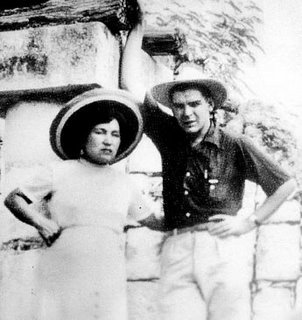 Ο Τσε με την πρώτη του σύζυγο Ίλντα Γκαντέα κατά το μήνα του μέλιτος στο Μεξικό, 1955.
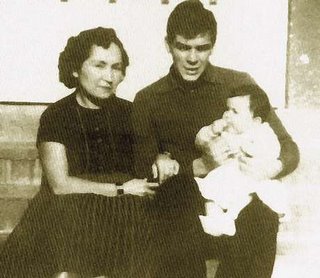 Με την Ίλντα και την κόρη τους, Ιλντίτα.
 Με την Ίλντα, την Ιλντίτα και οικογενειακούς φίλους στην Αβάνα, 1959.
Άρθρο-διακύρηξη στην εφημερίδα El Cubano Libre
 Ιδιαίτερο ενδιαφέρον παρουσιάζει το παρακάτω άρθρο – στην ουσία διακύρηξη – του Τσε που δημοσιεύθηκε το 1958 στο πρώτο τεύχος της επαναστατικής εφημερίδας El Cubano Libre (Ο Ελεύθερος Κουβανός). Στο κείμενο του ο Τσε συνδέει το αντάρτικο στην Κούβα με απελευθερωτικούς, αντι-ιμπεριαλιστικούς αγώνες σε άλλα μέρη του κόσμου.
«Νεα για γεγονότα σε μακρυνές χώρες φτάνουν στις κορυφές της δικιάς μας Σιέρρα Μαέστρα μέσω των εφημερίδων και ραδιοφώνων που μεταφέρουν με ειλικρίνεια τι συμβαίνει εκεί μιάς και δε μπορούν να πουν γιά τα εγκλήματα που καθημερινά συμβαίνουν εδώ.
Έτσι διαβάζουμε και ακούμε γιά φασαρίες και δολοφονίες που λαμβάνουν χώρα στην Κύπρο, την Αλγερία, στο Ιφνί (σ.σ. Μαρόκο) και τη Μαλαισία. Όλα αυτά έχουν κοινά χαρακτηριστικά:
α. Οι αρχές «έχουν προκαλέσει μεγάλες απώλειες στους εξεγερμένους».
β. Δεν υπάρχουν φυλακισμένοι.
γ. Η κυβέρνηση δε σχεδιάζει να αλλάξει τις πολιτικές της.
δ. όλοι οι επαναστάτες, ασχέτως της χώρας η της περιοχής στην οποία δραστηριοποιούνται, λαμβάνουν μυστική «βοήθεια» απ’ τους κομμουνιστές.
Πόσο όλος ο κόσμος θυμίζει την Κούβα! Παντού λαμβάνουν χώρα τα ίδια γεγονότα. Μια ομάδα πατριωτών, οπλισμένων η μη, σε εξέγερση η μη, σκοτώνονται και η δύναμη της τιμωρίας είναι και πάλι «νικητές μετά από παρατεταμένους πυροβολισμούς». Όλοι οι μάρτυρες σκοτώθηκαν και επομένως δεν υπάρχουν φυλακισμένοι.
Οι κυβερνητικές δυνάμεις ποτέ δεν έχουν απώλειες, κάτι που συνάδει με την αλήθεια, μιάς και δεν ειναι πολύ επικίνδυνο να σκοτώνεις άοπλους ανθρώπους. Αλλά συχνά η απουσία απωλειών είναι απλά παραμύθια. Εμείς προσφέρουμε τη Σιέρρα Μαέστρα ως αδιάψευστη απόδειξη των απωλειών τους. Τελικώς, κάτι γιά τον παλαιά, ισχνή κατηγορία περί «κομμουνισμού».
Κομμουνιστές, φαίνεται, είναι όλοι όσοι παίρνουν τα όπλα, διότι εχουν απηυδησει με τη φτώχεια και δεν εχει σημασία γιά ποιά χώρα μιλάμε. Αυτοί που σκοτώνουν κοινούς ανθρώπους , άνδρες, γυναίκες και παιδιά, αυτοαποκαλούνται δημοκράτες. Πόσο όλος ο κόσμος θυμίζει την Κούβα!
Αλλά στην Κούβα και οπουδήποτε αλλού ο λαός θα έχει τον τελευταίο λόγο ενάντια στην αδικία και το κακό, και ο λαός θα νικήσει.
Έρνεστ Χέμινγουεϊ (Ernest Hemingway)
 O Έρνεστ Μίλλερ Χέμινγουεϊ υπήρξε ένας από τους σημαντικότερους συγγραφείς του 20ού αιώνα. Γεννήθηκε στο Όουκ Παρκ του Ίλινοις τον Ιούλιο του 1889 και πέθανε το 1961 στο Αϊντάχο. Αποτέλεσε μέλος της αποκαλούμενης «Χαμένης Γενιάς» (Lost Generation) των αμερικανών συγγραφέων και ποιητών που έζησαν στο Παρίσι, στις δεκαετίες 1920 και 1930. Το 1953 τιμήθηκε με το Βραβείο Πούλιτζερ και το 1954 με το Νόμπελ Λογοτεχνίας.
Παρότι ταξίδεψε και έζησε σε πολλά μέρη του κόσμου, ο Χέμινγουεϊ συνδέθηκε συναισθηματικά με την Κούβα στην οποία διέθετε ιδιωτική κατοικία. Επισκέπτηκε πρώτη φορά το νησί το 1928.
Υπήρξε συγκρατημένα υποστηρικτής της Κουβανικής Επανάστασης του 1959 και συναναστράφηκε τόσο τον Φιντέλ Κάστρο όσο και τον Τσε Γκεβάρα. Τον Ιούλιο του 1960 ο Χέμινγουεϊ και η σύζυγος του εγκατέλειψαν την Κούβα προκειμένου να εγκατασταθούν μόνιμα στο Κέτσουμ του Αϊντάχο. Ένα χρόνο αργότερα, το 1961, η κατοικία του (στην οποία είχε αφήσει ανέκδοτα έργα του) πέρασε στην ιδιοκτησία της κουβανικής κυβέρνησης.
Επιστρέφοντας στις Ηνωμένες Πολιτείες η υγεία του Χέμινγουεϊ επιδεινώθηκε σημαντικά. Νοσηλεύτηκε στην κλινική Mayo εξαιτίας της υψηλής του πίεσης αλλά και των συμπτωμάτων κατάθλιψης και παράνοιας από τα οποία υπέφερε. Ο βιογράφος του Τζέφρυ Μέγιερς έχει αναφέρει ότι κατά τη νοσηλεία του στην κλίνική ο Χέμινγουεϊ υποβλήθηκε σε πολλαπλές θεραπείες με ηλεκτροσόκ. Αυτοπυροβολήθηκε στο κεφάλι στις 2 Ιουλίου 1961, πάσχοντας από σύνδρομο καταδίωξης και τάσεις αυτοκτονίας.
Ο στενός του φίλος Άαρον Έντουαρτ Χοτσνερ, συγγραφέας βιβλίου με θέμα τη ζωή του Χέμινγουεϊ, έχει διαψεύσει τη θεωρία περί παράνοιας. Σε άρθρο του στους New York Times ο Χοτσνερ καταστεί το FBI ηθικό αυτουργό της αυτοκτονίας του Έρνεστ Χέμινγουεϊ, υποστηρίζοντας ότι το ομοσπονδιακό γραφείο ερευνών παρακολουθούσε στενά τον συγγραφέα, φτάνοντας τον στα όρια της απελπισίας.
Στο bar El Floridita στην Αβάνα, υπάρχει άγαλμα του Χέμινγουεϊ, φιλοτεχνημένο από τον Χοσέ Βίγια Σομπερόν, δίπλα σε μια φωτογραφία του συγγραφέα με τον Φιντέλ Κάστρο.
Σημειώσεις γιά τη μελέτη της Κουβανικής Επανάστασης
 Αυτή είναι μία μοναδική επανάσταση που μερικοί άνθρωποι θεωρούν ότι αντιφάσκει με μία από τις πιο ορθόδοξες αρχές του επαναστατικού κινήματος, όπως την εξέφρασε ο Λένιν: «Χωρίς επαναστατική θεωρία, δεν υπάρχει επαναστατικό κίνημα». Μπορούμε να πούμε πως η επαναστατική θεωρία, ως έκφραση μιας κοινωνικής αλήθειας, υπερβαίνει κάθε διακήρυξή της, δηλαδή, ακόμα και αν η θεωρία δεν είναι γνωστή, η επανάσταση μπορεί να επιτύχει αν η ιστορική αλήθεια ερμηνευτεί σωστά και αν οι εμπλεκόμενες δυνάμεις χρησιμοποιηθούν με το σωστό τρόπο. Κάθε επανάσταση, πάντα συνδυάζει διαφορετικές τάσεις, οι οποίες παρόλα αυτά ταυτίζονται στην πράξη και όσον αφορά τους άμεσους στόχους της επανάστασης.
Είναι ξεκάθαρο, πως αν οι ηγέτες έχουν μία στοιχειώδη θεωρητική γνώση πριν τη δράση, μπορούν να αποφύγουν δοκιμές και σφάλματα, όταν αυτή η θεωρία ανταποκρίνεται στην πραγματικότητα. Οι κύριοι πρωταγωνιστές αυτής της επανάστασης δεν διέθεταν συνεπή θεωρητικά κριτήρια, αλλά δεν μπορούμε να πούμε πως ήταν αδαείς ως προς αρκετές παραμέτρους της ιστορίας, της κοινωνίας, της οικονομίας, και των επαναστάσεων που απασχολούν τον κόσμο σήμερα. Η βαθιά γνώση της πραγματικότητας, η στενή επαφή με το λαό, η σταθερότητα των στόχων του απελευθερωτή καθώς και η πρακτική επαναστατική εμπειρία, έδωσαν στους ηγέτες αυτούς την ευκαιρία να διαμορφώσουν ένα πιο πλήρες θεωρητικό σύστημα.
Όλα αυτά θα πρέπει να θεωρηθούν ως μία εισαγωγή στην εξήγηση αυτού του περίεργου φαινομένου που ευαισθητοποίησε όλο τον κόσμο: την Κουβανική Επανάσταση. Είναι άξιο διερεύνησης, στην σύγχρονη παγκόσμια ιστορία, πώς και γιατί μία ομάδα ανθρώπων, κατεστραμμένη από έναν ασύγκριτα ανώτερο, σε τεχνική και εξοπλισμό, στρατό κατάφερε καταρχήν να επιβιώσει, να γίνει δυνατή και αργότερα δυνατότερη από τον εχθρό στα πεδία της μάχης, να συνεχίσει κατόπιν σε νέες ζώνες μετώπου και τελικά να νικήσει τον εχθρό, αν και τα στρατεύματά της ήταν ακόμα μικρότερα σε αριθμό.
Φυσικά, εμείς που δεν δείχνουμε το απαιτούμενο ενδιαφέρον για την θεωρία, δεν διατρέχουμε τον κίνδυνο να εκθέσουμε την αλήθεια της κουβανικής επανάστασης ως να ήμασταν οι αυθεντίες της. Θα προσπαθήσουμε απλά να δώσουμε τις βάσεις για την ερμηνεία αυτής της αλήθειας. Στην πραγματικότητα, η κουβανική επανάσταση θα πρέπει να διαχωριστεί σε δύο διακριτά επίπεδα: εκείνο της ένοπλης δράσης μέχρι την 1η Ιανουαρίου 1959, και των πολιτικών, οικονομικών και κοινωνικών μεταρυθμίσεων που ακολούθησαν.
Ακόμα και αυτά τα δύο επίπεδα, πρέπει να υποδιαιρεθούν, ωστόσο δεν θα ασχολήθουμε με αυτά υπό το πρίσμα της ιστορικής έκθεσης, αλλά από την οπτική της εξέλιξης της επαναστατικής σκέψης των ηγετών τους, μέσω της επαφής τους με τον λαό. Με την ευκαιρία, εδώ πρέπει να τοποθετηθούμε γενικά απέναντι σε έναν από τους πιο αμφιλεγόμενους όρους του σύγχρονου κόσμου: τον μαρξισμό. Όταν μας ρωτούν αν είμαστε Μαρξιστές, η θέση μας είναι η ίδια με εκείνη ενός φυσικού ή βιολόγου στο ερώτημα αν είναι «με τον Νεύτωνα» ή «με τον Παστέρ» αντίστοιχα.
Υπάρχουν αλήθειες τόσο εμφανείς και μέρος της ανθρώπινης γνώσης, ώστε είναι σήμερα άσκοπο να τις συζητούμε. Πρέπει να είναι κανείς «Μαρξιστής», τόσο φυσικά όσο είναι κάποιος με τον Νεύτωνα στη φυσική ή με τον Παστέρ στη βιολογία, αναλογιζόμενος πως αν νέα δεδομένα καθορίσουν νέες αντιλήψεις, οι αντιλήψεις αυτές δεν στερούν από τις παλαιότερες το μέρος της αλήθειας που κατέχουν. Τέτοια είναι για παράδειγμα η περίπτωση της σχετικότητας του Αϊνστάιν ή της κβαντικής θεωρίας του Πλανκ, σε σχέση με τις ανακαλύψεις του Νεύτωνα. Δεν αφαιρούν τίποτα από το μεγαλείο του σοφού Άγγλου. Χάρη στο Νεύτωνα, η φυσική κατάφερε να εξελιχθεί ανακαλύπτοντας νέες έννοιες του διαστήματος. Ο σοφός Άγγλος πρόσφερε το αναγκαίο σκαλοπάτι για τους επόμενους.
Οι εξελίξεις στις κοινωνικές και πολιτικές επιστήμες, όπως και σε άλλους τομείς, αποτελούν τμήματα μίας μακράς ιστορικής πορείας, που συνδέονται μεταξύ τους, αλληλοπροστίθενται και διαρκώς οδηγούν σε βελτιώσεις. Στις αρχές της ιστορίας του ανθρώπου, υπήρξαν τα μαθηματικά των Κινέζων, των Αράβων ή των Ινδών. Σήμερα, τα μαθηματικά δεν έχουν σύνορα. Στην πορεία της ιστορίας, υπήρξε ένας Έλληνας Πυθαγόρας, ένας Ιταλός Γαλιλαίος, ένας Άγγλος Νεύτωνας, ένας Γερμανός Γκάους, ένας Ρώσος Λομπατσέφκσι, ένας Αϊνστάιν κ.λπ. Έτσι και στον τομέα των κοινωνικών και πολιτικών επιστημών, από το Δημόκριτο μέχρι τον Μαρξ, μία μακρά σειρά από στοχαστές πρόσθεσαν τις δικές τους πρωτότυπες έρευνες και διαμόρφωσαν ένα σώμα εμπειρίας και αντιλήψεων.
Η συνεισφορά του Μαρξ είναι πως ξαφνικά παρήγαγε μία ποιοτική αλλαγή στην ιστορία της κοινωνικής σκέψης. Ερμηνεύει την ιστορία, κατανοεί τη δυναμική της και προβλέπει το μέλλον (πράγμα που από μόνο του ικανοποιεί την επιστημονική του υποχρέωση), αλλά επί πρόσθετα εκφράζει μία επαναστατική αντίληψη: ο κόσμος δεν αρκεί να ερμηνευτεί αλλά θα πρέπει να μεταβληθεί. Ο άνθρωπος παύει να αποτελεί δούλο και εργαλείο του περιβάλλοντός του, μετατρέποντας τον εαυτό του σε αρχιτέκτονα της μοίρας του. Εκείνη τη στιγμή, ο Μαρξ θέτει τον εαυτό του στόχο όλων εκείνων που ενδιαφέρονται να διατηρήσουν την παλιά τάξη, όπως άλλοτε με τον Δημόκριτο του οποίου το έργο κάηκε από τον Πλάτωνα και τους ακόλουθούς του, τους ιδεολόγους της Αθηναϊκής αριστοκρατίας των δούλων. Με αφετηρία τον επαναστατικό Μαρξ, μία πολιτική ομάδα με στέρεες ιδέες εδραιώθηκε. Βασιζόμενη στος γίγαντες Μαρξ και Έγγελς, εξελίχθηκε σταδιακά χάρη σε προσωπικότητες όπως ο Λένιν, ο Στάλιν, ο Μάο Τσετούνγκ και οι νέοι ηγέτες της Σοβιετικής Ένωσης και της Κίνας, διαμόρφωσε ένα σύνολο δογμάτων και ας μας επιτραπεί να πούμε, παραδείγματα για να ακολουθήσουμε.
Η κουβανική επανάσταση παίρνει τον Μαρξ από το σημείο εκείνο στο οποίο ο ίδιος εγκατέλειψε την επιστήμη για να φέρει στον ώμο το επαναστατικό τουφέκι. Και τον πιάνει από εκείνο το σημείο, όχι με διάθεση ρεβιζιονισμού ενάντια αυτών που ακολουθούν τον Μαρξ ή αποκατάστασης ενός «καθαρού» Μαρξ, αλλά γιατί σε εκείνο το σημείο, ο επιστήμονας Μαρξ, έθετε τον εαυτό του έξω από την Ιστορία, την οποία μελετούσε και προέβλεπε. Ήταν από εκεί και πέρα που ο επαναστάτης Μαρξ μπορούσε να αγωνιστεί μέσα στην Ιστορία.
Εμείς οι πρακτικοί επαναστάτες ακολουθούμε απλώς τους νόμους που προέβλεψε ο Μαρξ, ο επιστήμονας. Προσαρμοζόμαστε στις προβλέψεις του επιστήμονα Μαρξ, καθώς διασχίζουμε τον δρόμο της εξέγερσης, αντιπαλεύοντας την παλαιά δομή εξουσίας, στηριζόμενοι στο λαό για την καταστροφή αυτής της δομής και έχοντας την ευτυχία του λαού ως βάση του αγώνα μας. Δηλαδή, και είναι καλό να το τονίσουμε μία ακόμα φορά, οι νόμοι του Μαρξισμού περιέχονται στα γεγονότα της κουβανικής επανάστασης, ανεξάρτητα από το τί γνωρίζουν οι ηγέτες της για αυτούς, από θεωρητικής πλευράς.
Πριν την απόβαση του Γκράνμα, κυριαρχούσε μία νοοτροπία, που θα μπορούσε να χαρακτηριστεί, σε ένα βαθμό «ιδεαλιστική»: τυφλή σιγουριά για μία αστραπιαία λαϊκή έκρηξη, ενθουσιασμός και πίστη στην δυνατότητα ανατροπής του καθεστώτος του Μπατίστα μέσω ενός ένοπλου ξεσηκωμού συνδυασμένου με αυθόρμητες επαναστατικές απεργίες.που θα προκαλούσαν την πτώση του δικτάτορα. […]
Μετά την απόβαση έρχεται η ήττα, η σχεδόν ολοσχερής καταστροφή των δυνάμεων και η επανασυγκρότησή τους σε αντάρτικο. Οι λιγοστοί – αποφασισμένοι για τον αγώνα – που επιβίωσαν, κατανόησαν πως το να βασίζονται σε μαζικούς ξεσηκωμούς σε όλη την έκταση του νησιού ήταν λάθος, μία ψευδαίσθηση. Κατάλαβαν επίσης πως ο αγώνας θα ήταν μακρύς και ότι απαιτούσε μεγάλη συμμετοχή των χωρικών. Εκείνη την περίοδο, οι αγρότες προσχωρούσαν στον ανταρτοπόλεμο για πρώτη φορά.
Δύο γεγονότα συνέβησαν, μικρής αξίας σε σχέση με τον αριθμό των πολεμιστών που συμμετείχαν, αλλά μεγάλης ψυχολογικής σημασίας. Καταρχήν, ο ανταγωνισμός που ένιωθαν οι άντρες των πόλεων – που αποτελούσαν την αντάρτικη ομάδα – απέναντι στους χωρικούς έσβησε. Με τη σειρά τους, οι χωρικοί ήταν επιφυλακτικοί απέναντι στην ομάδα και κυρίως φοβούνταν τα σκληρά αντίποινα της κυβέρνησης. Σε αυτή τη φάση, δύο πολύ σημαντικές διαπιστώσεις προέκυψαν: στους χωρικούς έγινε φανερό πως οι παράνομες φορολογίες του στρατού και οι διωγμοί δεν θα αρκούσαν για την λήξη του αντάρτικου, ακόμα και τη στιγμή που ο στρατός μπορούσε να εξολοθρεύσει τα σπίτια, τη συγκομιδή και τις οικογένειές τους. Συνεπώς ήταν καλή λύση να καταφύγουν στους αντάρτες. Από την πλευρά τους, οι αντάρτες έμαθαν ότι ήταν όλο και περισσότερο αναγκαίο να «κερδίσουν» τις μάζες των χωρικών. […]
[Μετά την αποτυχία της κύριας επίθεσης του Μπατίστα στον Επαναστατικό Στρατό], ο πόλεμος παίρνει νέα μορφή: η αναλογία των δυναμέων κλίνει προς το μέρος της επανάστασης. Μέσα σε ενάμισι μήνα, δύο ολιγάριθμες φάλλαγες, η πρώτη 80 και η άλλη 140 ανδρών, διαρκώς περιστοιχισμένες και διωκόμενες από έναν στρατό χιλιάδων στρατιωτών, διέσχισαν τις πεδιάδες του Camagüey, έφθασαν στη Λας Βίγιας και ξεκίνησαν το έργο του διαχωρισμού του νησιού στα δύο. Ίσως μοιάζει παράδοξο, ακατανόητο, ακόμα και εντυπωσιακό πως δύο φάλλαγες τόσο μικρού μεγέθους – χωρίς επικοινωνία, μεταφορικά μέσα, χωρίς το στοιχειώδη οπλισμό του σύγχρονου ανταρτοπολέμου – κατόρθωσαν να πολεμήσουν εναντίον καλά εκπαιδευμένων και πάνω απ’ όλα καλά εξοπλισμένων μονάδων. Βασικό στοιχείο [για τη νίκη] είναι ο χαρακτήρας της κάθε στρατιάς: όσο λιγότερες ανέσεις έχει ο αντάρτης, τόσο περισσότερο μυείται στις κακουχίες της ζωής στη φύση και αισθάνεται σαν στο σπίτι του. Το ηθικό του είναι υψηλότερο, η αίσθηση ασφάλειας είναι μεγαλύτερη. Την ίδια στιγμή, έχει μάθει να θέτει σε κίνδυνο τη ζωή του σε κάθε περίσταση, να την εμπιστεύεται στην τύχη σαν να παίζει κορώνα-γράμματα. Γενικά, σε αυτό το είδος πολέμου, ελάχιστα μετρά στον κάθε αντάρτη αν θα επιζήσει ή όχι. Ο εχθρός, στο παράδειγμα της Κούβας, είναι ο κατώτερος συνέταιρος του δικτάτορα, είναι ο άνθρωπος στον οποίο αφήνονται τα τελευταία ψίχουλα από μία μακρά αλυσίδα κερδοσκόπων, ξεκινώντας από τη Γουώλ Στρητ και καταλήγοντας σε εκείνον. Ο ρόλος του είναι να υπερασπιστεί τα προνόμιά του, αλλά μόνο μέχρι το σημείο που αυτό έχει σημασία για τον ίδιο. Ο μισθός του και η σύνταξή του αξίζουν κάποια ταλαιπωρία και κινδύνους, αλλά σε καμία περίπτωση την ίδια τη ζωή του. Αν το τίμημα για την υπεράσπισή τους είναι τέτοιο, τότε είναι καλύτερο για αυτόν να τα εγκαταλείψει, υποχωρώντας δηλαδή μπροστά στον αντάρτη. Από αυτές τις δύο διαπιστώσεις, και την ηθική τους, αναδεικνύεται η διαφορά που έμελλε να προκαλέσει την κρίση της 31ης Δεκεμβρίου 1958. […]
Εδώ παίρνει τέλος η σύγκρουση. Αλλά οι άντρες που φθάνουν στην Αβάνα μετά από δύο χρόνια αγώνα στα βουνά και τις πεδιάδες του Οριέντε, στις πεδιάδες του Camagüey και στα βουνά, τις πεδιάδες και τις πόλεις της Λας Βίγιας, δεν είναι οι ίδιοι άνθρωποι, ιδεολογικά, με αυτούς που προσάραξαν στις ακτές της Λας Κολοράντας ή με αυτούς που πήραν μέρος στην πρώτη φάση του αγώνα. Η δυσπιστία τους απέναντι στους χωρικούς έχει μεταβληθεί σε οικειότητα και σεβασμό για τις αρετές τους. Η ολοκληρωτική άγνοιά τους για την αγροτική ζωή έχει μεταβληθεί σε γνώση των αναγκών των χωρικών. Η προσήλωσή τους σε στατιστικές και θεωρίες έχει πλέον συνδεθεί με την καθημερινή πραγματικότητα.
Με σημαία την Αγροτική Μεταρρύθμιση, η πραγματοποίηση της οποίας ξεκινά στη Σιέρα Μαέστρα, αυτοί οι άντρες συγκρούονται με τον ιμπεριαλισμό. Γνωρίζουν ότι η Αγροτική Μεταρρύθμιση είναι η βάση πάνω στην οποία θα χτιστεί η νέα Κούβα. Γνωρίζουν επίσης ότι θα δώσει γη σε όλους τους μη κατέχοντες αλλά και ότι θα απογυμνώσει τους παράνομους σφετεριστές της, γνωρίζοντας ότι οι μεγαλύτεροι εκμεταλλευτές είναι άνθρωποι που ασκούν επιρροή στο Στέητ Ντιπάρτμεντ ή την κυβέρνηση των Ηνωμένων Πολιτειών της Αμερικής. Αλλά έμαθαν ήδη να νικούν τις δυσκολίες με γενναιότητα, με κουράγιο και κυρίως με την υποστήριξη του λαού. Και βλέπουν πλέον στο μέλλον την απελεύθερωση που περιμένει, πέρα από τις κακουχίες.
Ραμόν Μπενίτεζ (Ramón Benítez)

Ραμόν Μπενίτεζ ήταν το όνομα με το οποίο ο Τσε ταξίδεψε το 1966 στη Βολιβία προκειμένου να οργανώσει το εκεί αντάρτικο κίνημα. Πριν ακόμη εγκαταλείψει την Κούβα γιά τη Βολιβία – και με ελάχιστους ανθρώπους να γνωρίζουν τι επρόκειτο να συμβεί – ο Τσε μπήκε στη διαδικασία αλλαγής του παρουσιαστικού του. Έτσι, ο «Ραμόν Μπενίτεζ» ήταν ένας μεγαλύτερος ηλικιακά άνδρας (γύρω στα 55-60), με λίγα μαλλιά και χοντρά γυαλιά μυωπίας. Το παρουσιαστικό συνόδευαν και τα ανάλογα έγγραφα (διαβατήριο, σχετικές επαγγελματικές ταυτότητες) με τα οποία θα μπορούσε να περάσει ανενόχλητος τον έλεγχο του αεροδρομίου της Λα Παζ και όπου αλλού χρειαζόταν.
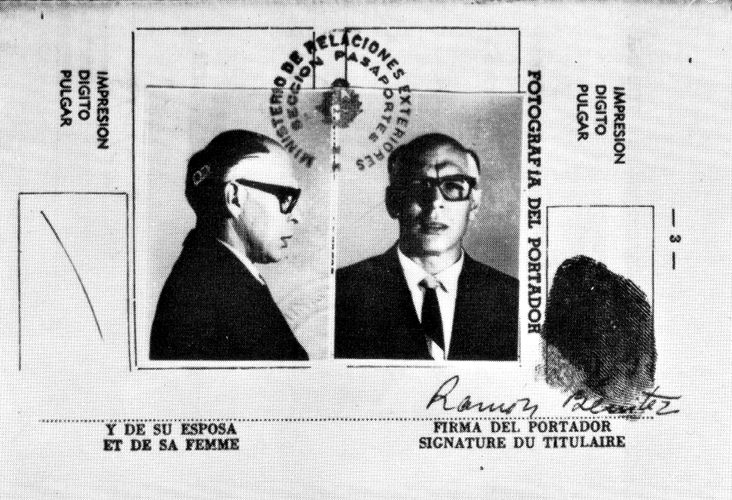
- Το διαβατήριο του «κ.Ramón Benítez».

Πριν αναχωρήσει για τη Βολιβία ο Τσε, μεταμφιεσμένος ήδη σε Ραμόν, επισκέφτηκε γιά τελευταία φορά την οικογένεια του. Η σύζυγος του, Αλεϊδα Μαρτς, περιγράφει εκείνη την συγκινητική συνάντηση:
«Λίγες μέρες πριν από την αναχώρησή, τον μετέφεραν σε ένα ασφαλές σπίτι που βρισκόταν στην Αβάνα, μεταμορφωμένο ήδη σε γερο-Ραμόν, κι’ εκεί ζήτησε να δει τα παιδιά. Η συνάντηση έπρεπε να γίνει με αυτόν τον τρόπο, επειδή φοβόταν ότι τα μεγαλύτερα παιδιά μας, αν τον αναγνώριζαν, κάπου θα το έλεγαν, κι αυτό ίσως προκαλούσε πολύ σοβαρά προβλήματα.
Όταν έφτασαν τα παιδιά, τους τον σύστησα ως έναν στενό φίλο του μπαμπά τους απ’ την Ουρουγουάη, που ήθελε να τα γνωρίσει. Φυσικά δε φαντάστηκαν ότι εκείνος ο άντρας,
που έδειχνε εξηντάρης, μπορούσε να είναι ο πατέρας τους. Ήταν μια στιγμή πολύ δύσκολη γιά τον Τσε αλλά και για μένα. Για εκείνον βέβαια ήταν εξαιρετικά επώδυνο το να βρίσκεται τόσο κοντά τους και να μην μπορεί να τους το πει, ούτε να τους φερθεί όπως ήθελε. Ήταν μία απ’ τις πιο σκληρές δοκιμασίες που χρειάστηκε να περάσει ποτέ του. […]
Η Αλεϊδίτα, τρέχοντας ξετρελαμένη πέρα-δώθε, χτύπησε κάπου το κεφάλι της, και ήταν ο Τσε εκείνος που τη φρόντισε. Το έκανε με τόση λεπτότητα και ευαισθησία, που ύστερα από λίγο η μικρή ήρθε να μου πει ένα μυστικό, που το άκουσε κι εκείνος: «Μαμά, αυτός ο κύριος είναι
ερωτευμένος μαζί μου». Δεν είπαμε τίποτα, χλομιάσαμε μόνο σ’ όλον εκείνο το φόρτο συναισθημάτων.
Αλεϊδα Μαρτς, Αναπόληση: Η ζωή μου με τον Τσε, Εκδ. Ψυχογιός, 2007.
 Ο Φιντέλ ρίχνει μια ματιά στο διαβατήριο του «Ραμόν Μπενίτεζ» ενώ ο μεταμφιεσμένος Τσε παρακολουθεί.
 Ελληνικό Αρχείο Τσε Γκεβάρα © Guevaristas